Best Sunrise Alarm Clocks: Making Mornings Feel Less Abrupt
If you want a gentler way to wake up, the best sunrise alarm clocks gradually brighten your room before the alarm instead of relying on a sudden sound. The Odokee Sunrise Alarm Clock is our top pick, combining sunrise simulation with 25 sleep sounds, Bluetooth audio, and adjustable display brightness. We also included the JALL Wake Up Light for dual alarm schedules and the REACHER Wood Grain Clock for simple physical controls and highly adjustable sunrise timing.
Product | Best Feature | Audio Quality | Price |
|---|---|---|---|
Odokee Sunrise Alarm Clock | 25 sleep therapy sounds | High-fidelity speaker | |
JALL Wake Up Light | FM radio integration | Moderate audio output | |
REACHER Wood Grain Clock | Intuitive physical dials | Excellent ambient noise |
1. Odokee Sunrise Alarm Clock White Noise Machine
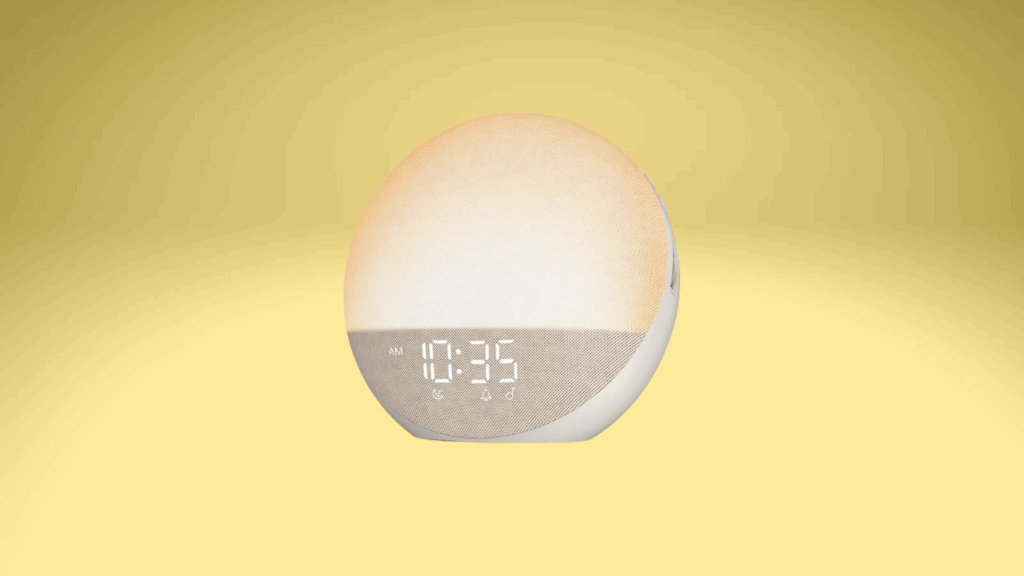
The Odokee device is a highly sophisticated bedside therapeutic sleep instrument. It combines gradual sunrise simulation with 25 built-in sleep sounds, including pink noise, brown noise, and nature sounds. It also has a Bluetooth speaker, customizable display brightness, and textured physical buttons for easier nighttime operation. Its main drawback is that the pre-recorded audio can sound compressed and the snooze is fixed at seven minutes.
Why we picked it:
It offers the strongest combination of sunrise waking, sleep sounds, Bluetooth audio, and nighttime controls.
Pros:
- Twenty-five distinct therapeutic sleep sounds.
- Integrated high-quality Bluetooth audio streaming.
- Textured physical buttons allow easy nighttime operation.
- Highly customizable display brightness settings.
Cons:
- Audio quality on pre-recorded tracks sounds compressed.
- The snooze duration is permanently locked at seven minutes.
2. JALL Wake Up Light Sunrise Alarm Clock
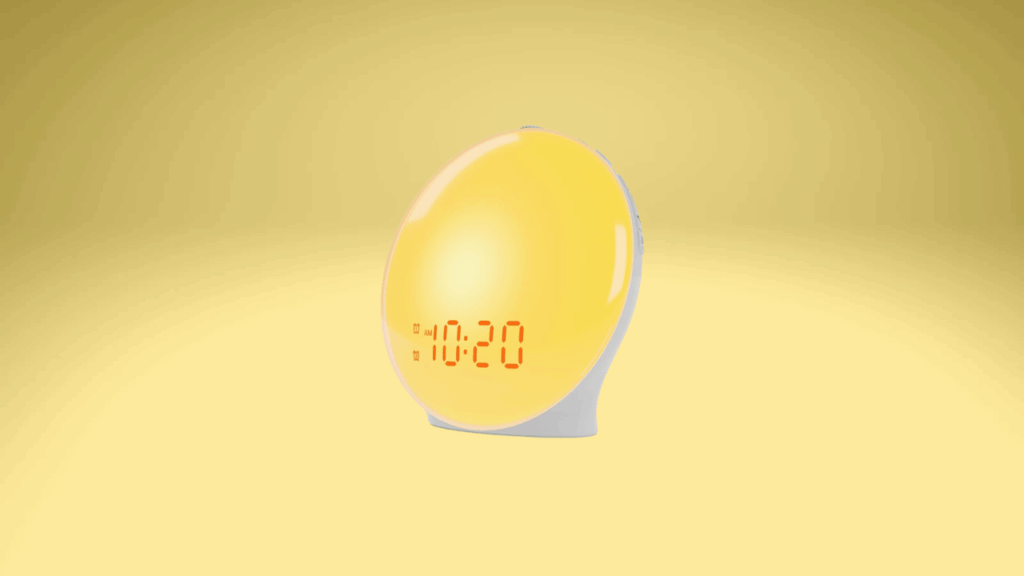
The JALL Wake Up Light offers a 30-minute sunrise simulation, seven natural morning sounds, and dual alarms for separate weekday and weekend schedules. It also includes FM radio and a three-level adjustable LED display.
Why we picked it:
The dual-alarm setup makes it particularly useful if your weekday and weekend wake-up times are different.
Pros:
- Dual alarm system manages separate weekly schedules perfectly.
- Generates incredibly bright light to illuminate large bedrooms.
- Integrated FM radio provides traditional morning audio.
- Highly accessible price point for entry-level light therapy.
Cons:
- Cannot manually program specific FM radio station frequencies.
- Ambient colored lighting cannot pair directly with morning alarms.
3. REACHER Wood Grain Sunrise Alarm Clock
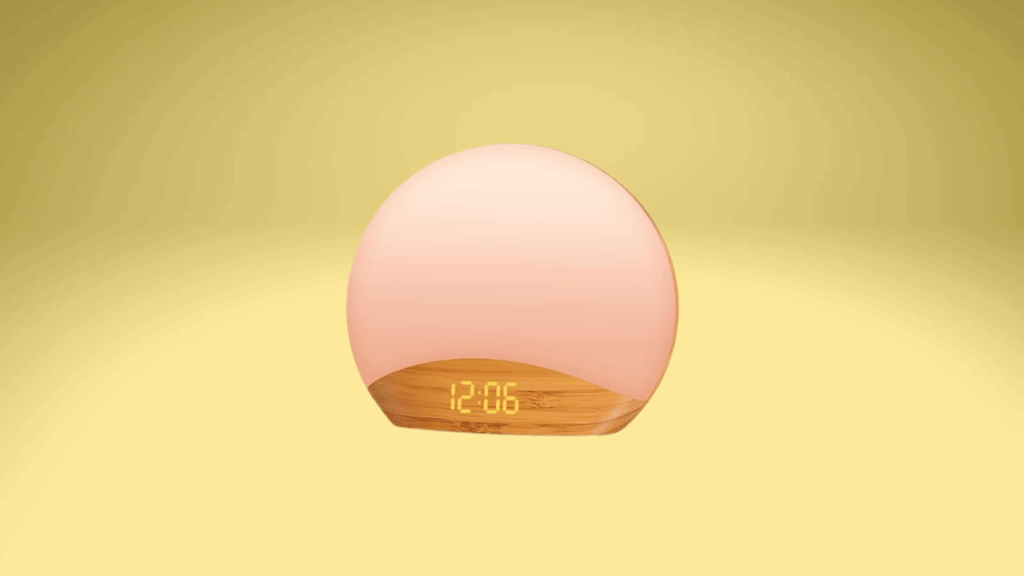
The REACHER Wood Grain Clock stands out for its wood-grain design and physical controls. Its sunrise duration can be adjusted from 5 to 60 minutes, while separate rear dials control the display and nightlight brightness. It also includes 26 calming sleep sounds and works without a smartphone app.
Why we picked it:
Its physical dials and app-free operation make it the simplest option for users who want direct, tactile control.
Pros:
- Beautiful wood grain design matches modern bedroom aesthetics.
- Highly adjustable sunrise duration spans five to sixty minutes.
- Physical dials provide instant, intuitive brightness control safely.
- Functions completely independently without requiring smartphone applications.
Cons:
- Internal audio speaker lacks deep acoustic bass resonance.
- Only supports one single morning alarm schedule currently.
Buying Guide for Sunrise Alarm Clocks
Transitioning to light-based waking therapy requires understanding basic human circadian biology. The human retina contains specialized photosensitive cells that communicate directly with the brain. These specific cells detect ambient morning light even while your physical eyelids remain shut tightly.
When you purchase a light therapy device, you are buying a targeted biological trigger. You must carefully evaluate light intensity, transition duration, and acoustic backup systems. This clinical guide will teach you exactly how to select the proper morning stimulation tool.
Evaluating Maximum Light Intensity
The clinical effectiveness of a sunrise simulation depends entirely on its maximum brightness output. Brightness is scientifically measured in lux units across the medical lighting industry.
A weak, dim clock will fail to penetrate your eyelids and trigger the necessary hormonal shift. You will sleep right through the visual sequence and rely entirely on the backup audio alarm. This completely defeats the medical purpose of utilizing gradual light therapy.
You should specifically seek devices capable of producing at least three hundred lux of illumination. This specific intensity mimics a naturally bright morning window environment accurately. If you sleep deeply or face away from the nightstand, you require maximum light output immediately.
Customizing the Sunrise Duration
Every single human nervous system transitions from deep sleep to waking at a different velocity. A rapid ten-minute light transition might feel far too aggressive for a sensitive sleeper.
Conversely, a prolonged sixty-minute transition might wake a light sleeper far too early. The most effective clinical devices allow you to precisely customize this specific transition window. You must find the exact duration that pulls you out of deep REM sleep comfortably.
Begin by testing a standard thirty-minute gradual light sequence first. If you still feel profound sleep inertia, gradually extend the sequence to forty-five minutes. This slow, steady adjustment guarantees you wake up during a light sleep cycle naturally.
Analyzing Acoustic Backup Systems
Even the brightest medical light cannot guarantee a successful waking event every single morning. If you roll over and bury your face in a pillow, the light therapy fails entirely.
You must ensure your chosen device features a reliable, high-quality acoustic backup alarm system. However, this audio alarm should not utilize harsh, violent mechanical buzzing sounds. The backup audio should consist of gentle acoustic tones like soft chimes or distant bird calls.
This ensures that if the light fails to wake you, the audio completes the process gently. You avoid the sudden, traumatic cortisol spike associated with traditional loud phone alarms.
Managing Nocturnal Display Brightness
Many modern alarm clocks completely ruin your bedroom environment with blazing digital time displays. A bright red or blue digital clock actively suppresses your natural evening melatonin production.
You must prioritize devices that offer complete, granular control over the main digital display brightness. The absolute best clinical options allow you to turn the digital time display completely off overnight.
If you wake up, you can simply tap the device to briefly illuminate the current time. This vital feature ensures your bedroom remains pitch black to facilitate deep, restorative physical recovery. Do not purchase any device that forces you to endure a glowing screen all night.
FAQs
Do sunrise alarm clocks actually work for heavy sleepers?
Yes, but heavy sleepers must position the device very close to their face. They also require maximum lux brightness and a reliable acoustic backup alarm setting.
Can I use a smart bulb instead of a dedicated sunrise clock?
Smart bulbs can mimic a sunrise, but they often lack the dedicated acoustic backup alarms. Dedicated clocks also provide much smoother, staggered light transitions without sudden jumps.
What color light is best for waking up naturally?
The most effective clinical devices transition from a deep, warm red into a bright, cool white. This specific color shift accurately mimics the natural solar spectrum of a real sunrise.
Are sunrise alarms safe for young children?
They are incredibly beneficial for establishing healthy sleep routines in young pediatric patients. Gentle light waking reduces morning tantrums and supports their developing circadian rhythms safely.
Will a sunrise clock help with seasonal affective disorder?
While helpful for morning energy, they are not standard medical SAD lamps. True SAD therapy requires significantly higher lux output used for thirty minutes while fully awake.
Final Takeaways
A sunrise alarm clock is a profound investment in your daily circadian health. Prioritize devices offering high maximum brightness and highly customizable transition durations for clinical success. Ensure the digital time display can be completely extinguished to protect your dark bedroom environment. A gentle acoustic backup alarm is absolutely mandatory for those mornings when you sleep deeply. By replacing traumatic audio sirens with gradual light, you will drastically improve your morning cognitive function.

- Best Heating Pads for Back Pain: Electric, Cordless, or Microwavable? - October 9, 2026
- How Do Air Purifiers Work? Inside the Filtration Process - October 9, 2026
- How to Use a Massage Gun: A Safe Guide for Beginners - October 7, 2026