Best Piercing Pillows: Which Ones Actually Relieve Pressure?
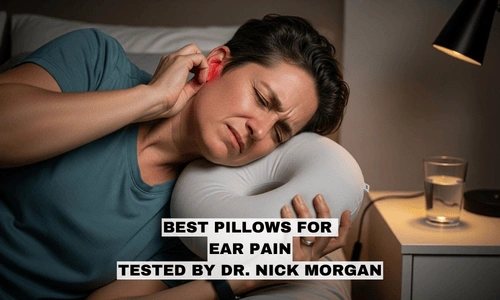
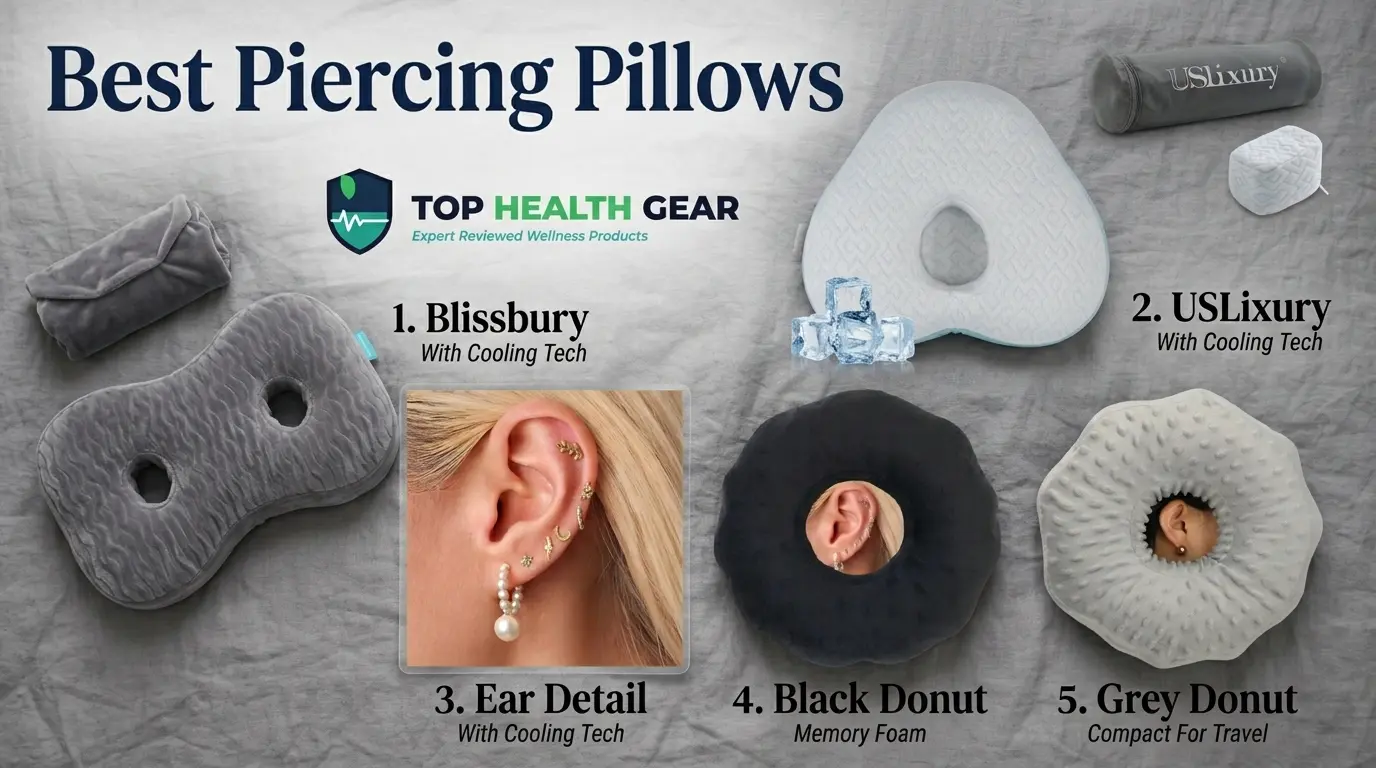
The BLISSBURY Ear Pillow with Hole is the best piercing pillow overall, thanks to its adjustable memory foam fill and correctly proportioned cutout that keeps fresh cartilage and lobe piercings completely off the surface. Standard pillows push against the ear canal and jewelry during side sleep, which prolongs healing and increases irritation for anyone dealing with helix, daith, or conch piercings. If you also struggle with general ear pain while sleeping, a purpose-built piercing pillow is one of the simplest changes that makes a measurable difference.
Quick Comparison: Best Piercing Pillows
Product | Best For | Key Feature | Price |
BLISSBURY Ear Pillow | Best Overall | Adjustable memory foam fill | |
SleepEasy CNH Pillow | Side Sleepers | Center ear hole with zip-open adjustable fill | |
USlixury Off-Center Hole | Neck Support | Oversized off-center cutout | |
Wuronsa Adjustable Fill | Budget Pick | 100% cotton, fully washable | |
BNRendles Minky Dot | CNH Relief | Soft minky fabric, donut shape | |
Washable Minky Cover Pillow | Easy Cleaning | Zip-off washable cover |
In-Depth Piercing Pillow Reviews
BLISSBURY Ear Pillow with Hole for Sleeping
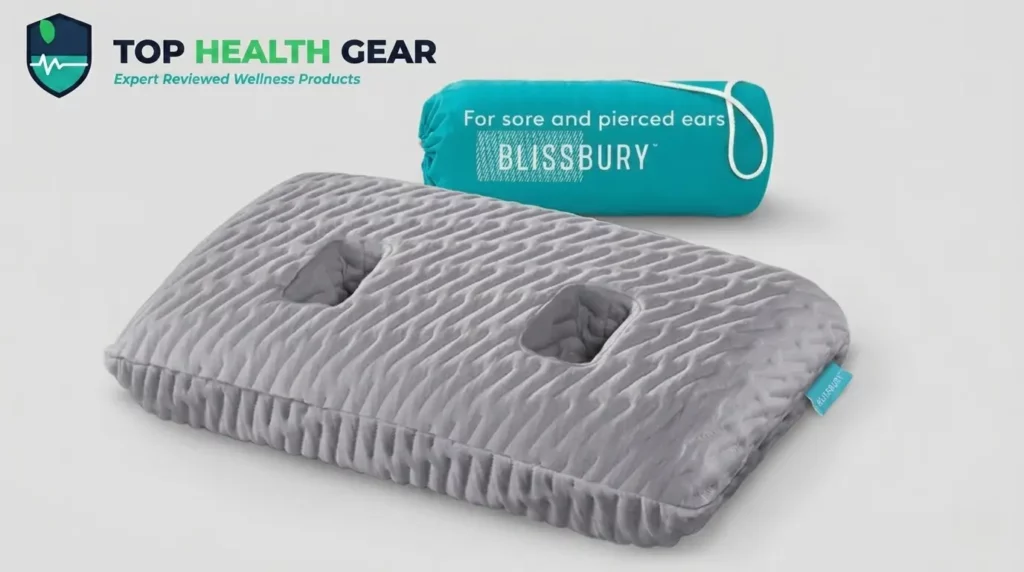
Side sleepers dealing with cartilage or lobe piercings need a pillow that actually suspends the ear rather than mashing it against foam, and the BLISSBURY delivers exactly that. Its adjustable memory foam core lets you dial in firmness by removing or adding fill through a hidden zipper, so the cutout stays centered on your ear all night. The hypoallergenic, machine-washable double-weave cover keeps the surface clean during healing without trapping heat.
Why We Picked It:
Adjustable fill combined with a well-proportioned ear cutout makes this the most versatile pick for different head sizes and piercing placements.
Pros:
Removable fill allows precise firmness control for fresh and healed piercings alike.
Cons:
Smaller footprint than a standard pillow, so combination sleepers may need a second pillow for back support.
CNH Pillow with Ear Hole for Side Sleepers
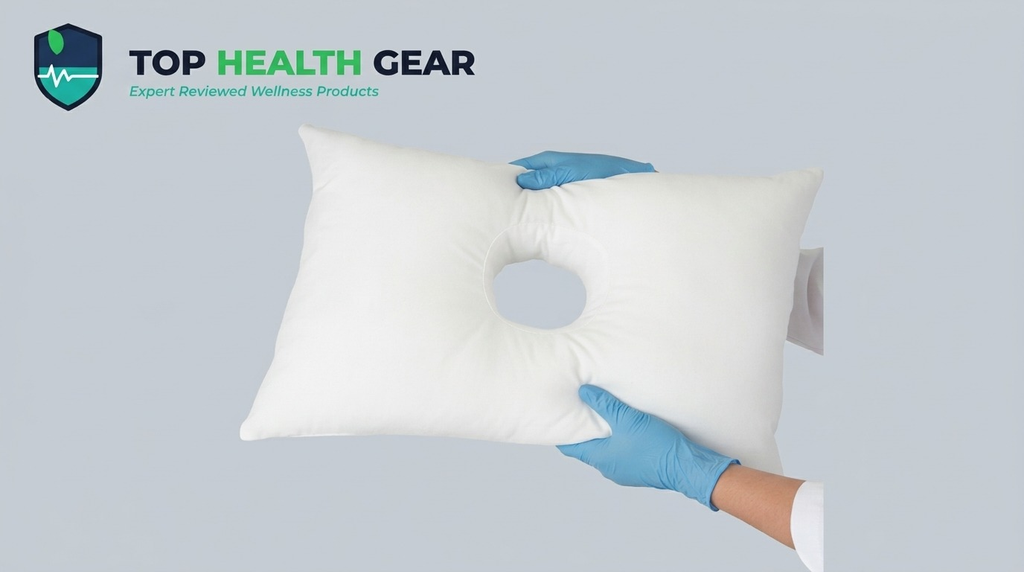
Side sleepers with sore ears, tender cartilage or a fresh piercing need a pillow that keeps the ear out of contact with the surface, and the SleepEasy CNH Pillow does that with a center ear hole. A side zipper lets you add or remove fill to make it soft, medium or firm. The breathable, hypoallergenic cotton cover wicks away sweat and moisture, and the soft Revoloft fill adds cushioning.
Why We Picked It:
Its ear-hole design takes pressure off sore or freshly pierced ears, while the adjustable fill lets you set the firmness you actually sleep best on.
Pros:
The easy-access side zipper lets you tune firmness to your head size and sleeping style.
Cons:
The ear hole works best for side sleepers, so back and stomach sleepers get little benefit and may need a second pillow.
USlixury Ear Piercing Pillow with Off-Center Hole
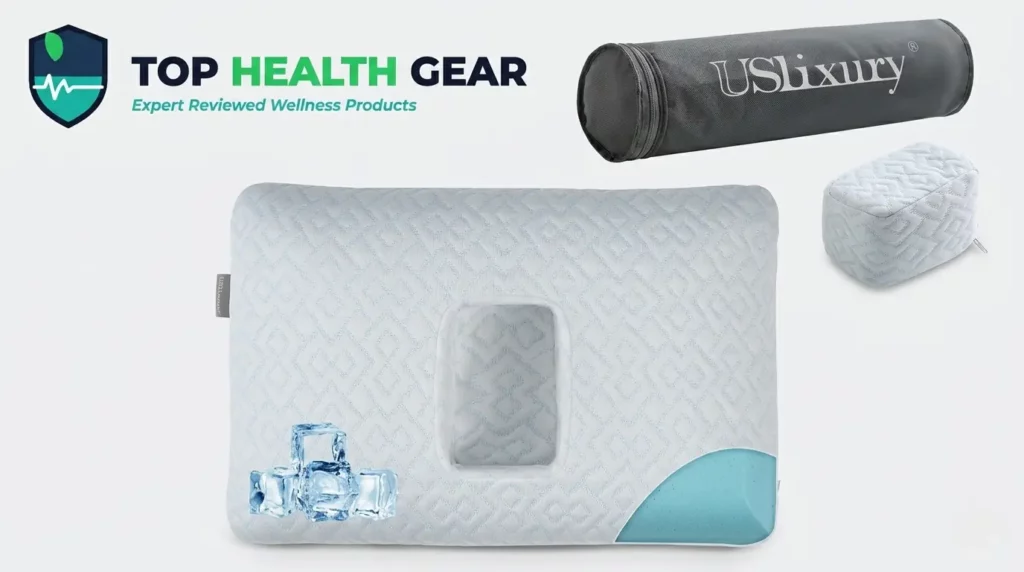
The USlixury stands out because its 4.7 x 3.5 inch ear hole is noticeably larger than most competitors and sits off-center, positioned 2.6 inches from one edge and 3.7 from the other, so people with shorter or longer necks can simply flip it and find a comfortable fit. CertiPUR-US certified memory foam at 4 inches thick gives side sleepers real cervical support beyond just protecting the ear. A removable foam plug converts it to a compact travel pillow when piercings are fully healed.
Why We Picked It: The off-center, oversized cutout solves the neck-length fit problem that makes standard piercing pillows uncomfortable for taller or shorter sleepers.
Pros: Generous 4.7×3.5 inch off-center hole accommodates virtually any neck length without adjustment.
Cons: Memory foam firms up noticeably in cold rooms, requiring a few minutes to soften before it conforms.
Wuronsa Ear Piercing Pillow with Adjustable Fill

Priced well below memory foam alternatives, the Wuronsa uses a breathable 100% cotton cover and a cotton-polyester blend filling that you can add or remove via an internal zipper to set the loft you prefer. The 9-inch donut diameter with a 3.5-inch center hole suits fresh cartilage, helix, and conch piercings, and the whole pillow is machine washable on normal cycle. It stacks easily on top of a standard pillow if you need extra height.
Why We Picked It:
Fully washable construction and stackable design make this the most practical low-cost option for active piercing recovery.
Pros:
Machine washable on normal cycle with no special handling required.
Cons:
Cotton fill can compress unevenly over time and may need refluffing or topping up.
BNRendles Ear Piercing Pillow Minky Dot
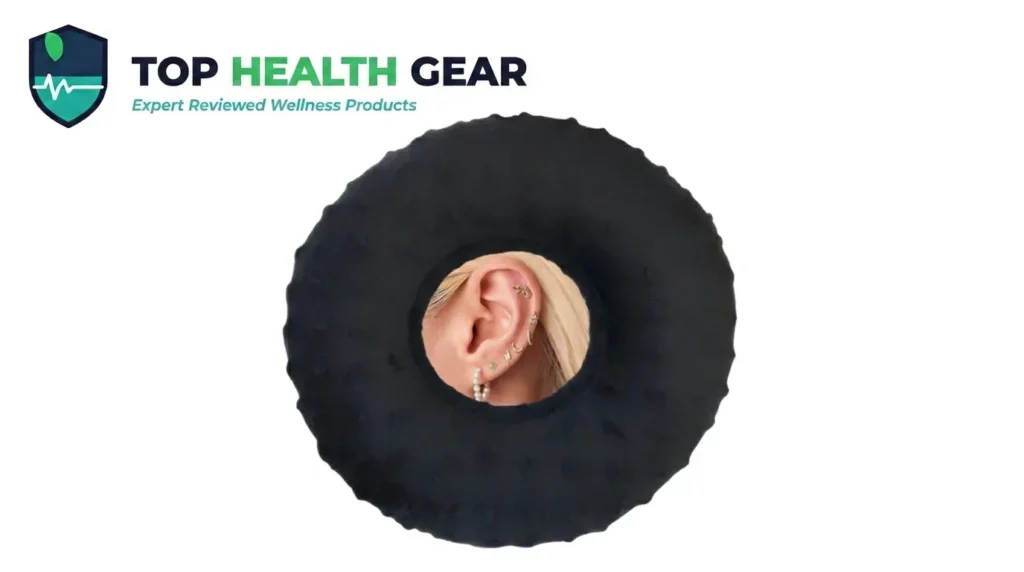
Chondrodermatitis nodularis helicis (CNH) causes persistent cartilage pain from prolonged pressure, and the BNRendles is built specifically to take all contact away from the affected spot during sleep. The minky dot fabric cover is noticeably softer than standard polyester against inflamed skin, and the donut shape distributes head weight evenly around the cutout rather than toward the center. It works equally well for daith, rook, helix, and tragus piercings that need extended pressure-free healing.
Why We Picked It:
Soft minky fabric and a genuine pressure-relief design make this the top pick for CNH sufferers or anyone with severe cartilage sensitivity.
Pros:
Minky dot cover is gentler on inflamed cartilage than standard cotton or polyester fabrics.
Cons:
Round donut shape offers less lateral neck support than rectangular memory foam styles.
Piercing Pillow with Washable Minky Cover
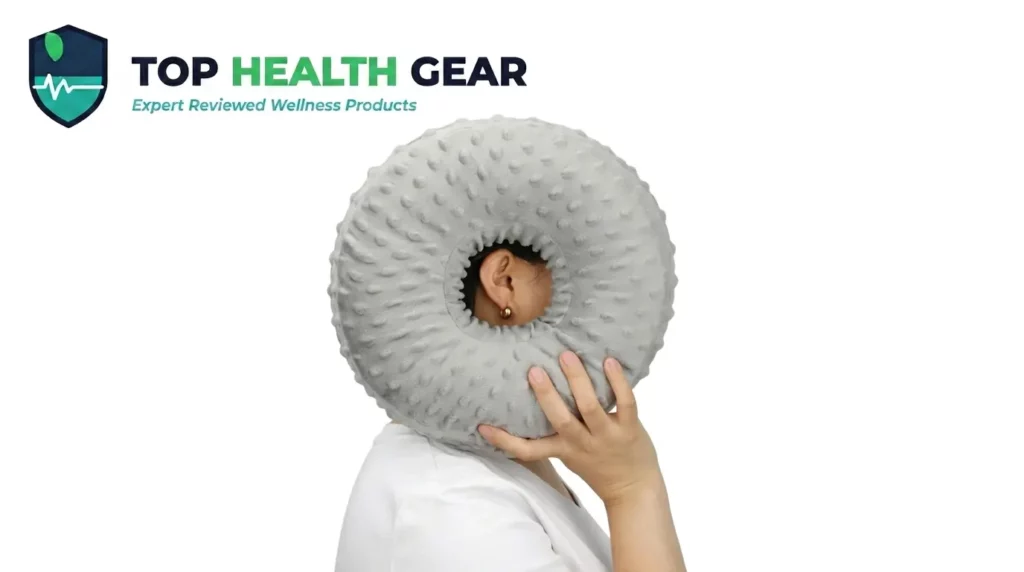
Healing piercings require clean sleep surfaces, and this pillow addresses that directly with a zip-off minky dot cover that washes and dries without shrinking or pilling. The adjustable inner insert lets you fine-tune loft, and the side zipper makes it easy to add or remove fill as the healing stage changes. Reviewers with helix piercings consistently note they could sleep comfortably on their pierced side from the first night.
Why We Picked It:
Quick-change washable cover and adjustable fill are the right combination for the multi-week hygiene demands of cartilage piercing recovery.
Pros:
Zip-off cover removes in seconds and withstands frequent machine washing without degrading.
Cons:
Circular shape is compact, so taller sleepers with broader shoulders may find lateral stability limited.
Do Piercing Pillows Actually Work?
Yes, piercing pillows work by suspending the ear inside a cutout so no surface pressure reaches the jewelry or surrounding tissue during sleep. Continuous contact between a healing piercing and a flat pillow is one of the main reasons cartilage piercings take longer to heal, since nighttime compression restricts airflow and causes micro-irritation at the puncture site. Most side sleepers notice a reduction in morning soreness within the first few nights of switching, particularly for high-cartilage piercings like helix, rook, and conch.
What Kind of Piercing Pillow Is Best for Side Sleepers?
Side sleepers need a piercing pillow with enough loft to keep the neck aligned while suspending the ear in a cutout, which is why adjustable-fill models or thick memory foam options tend to outperform thin donut pads. A rectangular shape provides better shoulder and cervical support than a round donut alone, and the ear hole should measure at least 3 inches in diameter to accommodate jewelry and inflamed tissue without touching the edges. If you are already using one of the top-rated pillows for side sleepers, stacking a compact donut-style piercing pillow on top is a practical middle ground that preserves your existing sleep setup.
How Do I Protect My Ear Piercing When I Sleep?
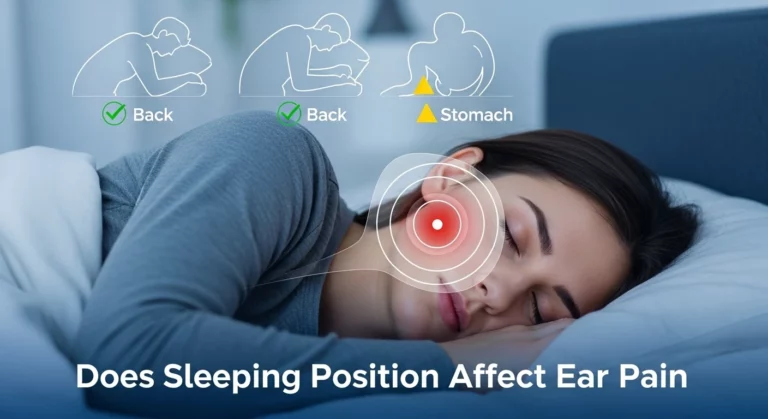
Protecting a fresh piercing during sleep involves three practical steps: use a pillow with an ear cutout so the jewelry hovers freely, keep the pillowcase clean by washing it at least twice a week, and avoid sleeping directly on a newly pierced ear during the first 48 hours when swelling peaks. Satin or minky fabric covers reduce friction against skin compared to standard cotton, which matters for elevated cartilage piercings that make direct fabric contact more likely. People recovering from otoplasty or ear surgery follow similar principles, as covered in the otoplasty recovery guide for position and pressure management during sleep.
Piercing Pillow Buying Guide
Ear Hole Size: Look for a cutout of at least 3 to 3.5 inches. Larger openings, like the 4.7 x 3.5 inch hole on the USlixury, accommodate jewelry and swelling without touching the piercing edges.
Best for Side Sleepers: SleepEasy CNH Pillow The center ear hole takes pressure off sore or freshly pierced ears, while the side zipper lets you adjust the fill to the firmness you sleep best on
Hole Position: Off-center holes suit a wider range of neck lengths. Centered holes work well for average-height adults but may not position correctly for shorter or taller sleepers.
Fill Type and Adjustability: Memory foam provides consistent support but cannot be tuned after purchase. Adjustable cotton or polyester fill lets you raise or lower loft to match your shoulder width and sleep position.
Cover Material: Minky dot and satin covers are gentler on inflamed skin than standard cotton. Prioritize zip-off, machine-washable covers for the hygiene demands of active healing.
Size and Shape: Rectangular pillows provide better lateral neck support than round donuts. Compact donut pillows stack well on top of a regular pillow if you need more height.
Certifications: CertiPUR-US certification on memory foam confirms the foam is made without harmful chemicals, which is relevant when skin is in contact for extended periods during healing.
Durability: Read verified reviews for long-term fill compression. Cotton fill models may need periodic refluffing; memory foam holds its shape longer but cannot be adjusted.
Frequently Asked Questions
Do piercing pillows actually work?
Yes, piercing pillows relieve pressure by suspending the ear inside a cutout, preventing direct contact between healing tissue and the pillow surface. Most users notice reduced morning soreness within the first few nights, especially with cartilage piercings that sit higher on the ear.
What is the best piercing pillow for side sleepers?
The BLISSBURY Ear Pillow with Hole is the best option for side sleepers because its adjustable memory foam fill provides proper cervical alignment alongside the ear cutout. For taller sleepers or those needing extra neck support, the USlixury off-center model is a strong alternative.
How do I wash a piercing pillow?
Most piercing pillows have removable, machine-washable covers that can be washed on a normal cycle and tumble dried on low. Check the manufacturer label before washing the inner fill; memory foam cores should never go in the washing machine and should be spot-cleaned only.
Can a piercing pillow help with CNH?
A piercing pillow can significantly reduce the nightly pressure that worsens chondrodermatitis nodularis helicis. The BNRendles Minky Dot is specifically well-suited for CNH because its soft cover minimizes friction on already-inflamed cartilage. Medical treatment from a dermatologist or clinician should accompany pillow use for active CNH.
What size ear hole do I need in a piercing pillow?
A minimum diameter of 3 to 3.5 inches accommodates most standard piercings with some swelling allowance. If you have multiple ear piercings, stretched lobes, or an industrial bar, look for a hole closer to 4 to 4.7 inches so no edges contact the jewelry.
Final Verdict
Best Overall: BLISSBURY Ear Pillow with Hole Adjustable fill and a well-positioned cutout make it the most reliable all-around performer for both fresh and healed piercings.
Best for Side Sleepers: SleepEasy CNH Pillow The center ear hole takes pressure off sore or freshly pierced ears, while the side zipper lets you adjust the fill to the firmness you sleep best on.
Best Budget: Wuronsa Adjustable Fill Pillow Fully machine-washable with adjustable fill at an accessible price point, ideal for first-time piercing pillow buyers.
Best for CNH: BNRendles Minky Dot Pillow Soft minky fabric and a true donut cutout provide the gentlest surface for inflamed cartilage or chronic CNH pain.
Best for Neck Support: USlixury Off-Center Hole Pillow The oversized off-center cutout and 4-inch memory foam core deliver full cervical support alongside ear pressure relief.
For a deeper comparison of ear-hole pillow styles beyond piercing use cases, the pillow with ear hole guide covers CNH, headphone use, and post-surgical recovery applications in detail.

- Best Heating Pads for Back Pain: Electric, Cordless, or Microwavable? - October 9, 2026
- How Do Air Purifiers Work? Inside the Filtration Process - October 9, 2026
- How to Use a Massage Gun: A Safe Guide for Beginners - October 7, 2026