Smart Sleep Trackers: Rings vs Watches vs Mats Compared
Waking up completely exhausted after eight hours in bed is deeply frustrating. You follow all the normal rules but still feel totally drained. Poor rest destroys your daily energy and hurts your delicate immune system. You need to understand exactly what your physical body does overnight.
Medical sleep studies are highly expensive and very uncomfortable to endure. Technology now offers fantastic tracking solutions right inside your own bedroom. Finding the right tracking tool will change your personal health forever. You can finally see the hidden data behind your dark, restless nights.
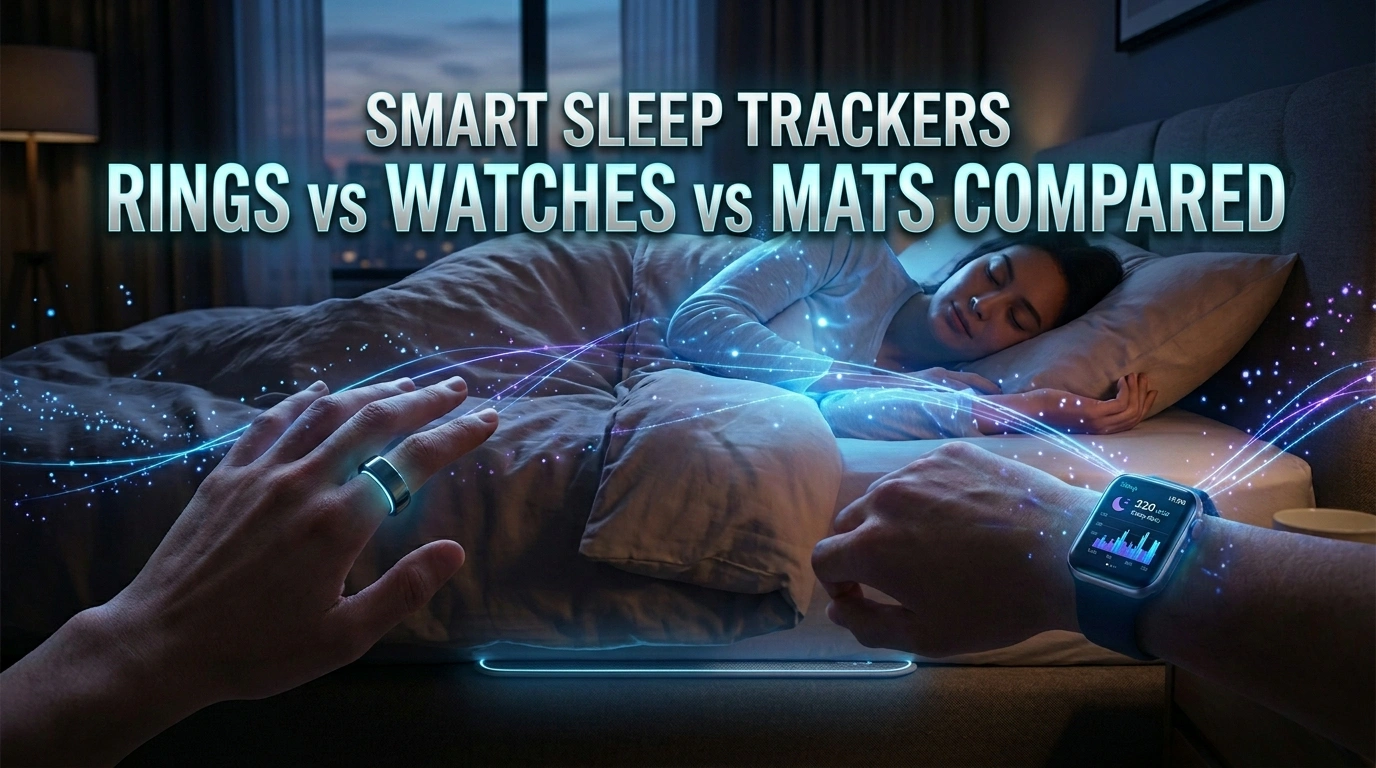
There are three major ways to record this highly valuable data today. You can wear a tiny ring, strap on a watch, or buy a mat. Let us look at the top three options available on the market. We will help you choose the least annoying tool for your body.
The Rise of Smart Rings
A Highly Compact Wearable Design
Smart rings are relatively new to the wearable technology market. Brands like Oura and Ultrahuman pack incredible sensors into tiny bands. You wear the small device on your index or middle finger daily. The absolute best feature is the lightweight, barely visible form factor.
You will likely forget you are even wearing it after a week. This is highly appealing for people who hate bulky, heavy accessories. Thick jewelry can easily snag on your sheets and wake you up. A sleek ring provides a highly comfortable, invisible resting experience. You sleep completely undisturbed while the hidden sensors work quietly.
Advanced Biometric Sensors
Do not let the tiny physical size fool you at all. These small rings house incredibly advanced biometric sensors directly inside. Your fingers have highly accessible blood vessels located right near the skin. This allows the ring to capture very clear, strong pulse readings.
The ring constantly measures your resting heart rate while you sleep. It also tracks your exact skin temperature changes throughout the long night. A sudden temperature spike often warns you about an upcoming sickness. These tiny devices record biometric signals with surprising, near-clinical accuracy.
Battery Life Expectations
Charging a device constantly is a very annoying daily chore. Smart rings generally offer fantastic battery life duration for busy users. You can usually wear them for almost an entire calendar week. You never have to worry about a dead battery ruining your data.
You can just place it on the charger while you take a shower. This simple habit keeps the tiny ring running smoothly forever. It is the perfect tool for continuous, lazy health monitoring. You get maximum health data with minimal daily physical effort.
The Classic Smartwatch Approach
Multi-Functional Everyday Use
Smartwatches are the most popular fitness tools sold in the world today. You might already be reading up on popular tech to track your daily steps. A good smartwatch does much more than just monitor your nightly rest.
It counts your daily calories and tracks your heavy gym sessions perfectly. It even displays urgent text messages right on your bright wrist. Buying a watch means you get a highly versatile digital assistant immediately. You only need to buy one single electronic device for your entire life.
The Comfort Factor at Night
Physical comfort is the biggest negative issue with wearing a watch overnight. Having a thick screen strapped to your arm is physically annoying. The thick silicone bands trap body heat and cause heavy skin sweating.
If you get too hot, you might consider fixing your bed climate quickly. Cool room temperatures are absolutely vital for achieving deep, healing rest. A heavy metal watch can easily bang against your partner in bed. Some users also find the bright glowing screen highly distracting. You must decide if you can actually tolerate a thick strap nightly.
Gentle Haptic Alarms
Watches offer one massive advantage over tiny rings and flat under-bed mats. They have built-in vibration motors that act as highly effective silent alarms. The watch vibrates gently against your wrist to wake your body up.
This completely replaces loud, shocking audio alarms in the early morning. A gentle vibration will never wake up your sleeping partner nearby. The watch can also detect your light sleep cycles automatically. It will vibrate exactly when your brain is most ready to wake. This makes your dark mornings feel incredibly peaceful and totally calm.
The Under-Bed Sleep Mats
Zero Wearable Annoyance
Some people absolutely refuse to wear any digital technology to bed whatsoever. Rings and watches feel highly restrictive and deeply uncomfortable to sensitive sleepers. Under-bed sleep mats are the perfect solution for these specific users.
You place a thin sensor pad directly underneath your heavy mattress. You do not have to wear anything on your physical body at all. You simply lay down and fall asleep exactly like a normal night. The mat uses highly sensitive technology to detect your tiny heartbeats. It feels like pure magic working quietly in the dark room.
Tracking Environment and Movement
Sleep mats record unique data that wearable devices simply cannot see. They measure the exact duration of your physical tossing and turning. They can tell exactly when you actually fell asleep on the mattress. They do not rely purely on your pulse to guess your sleep state.
Some advanced mats even measure the ambient temperature of your quiet bedroom. They listen closely for heavy snoring or loud breathing interruptions overnight. You could pair this data with drowning out ambient sounds for better rest. Mats provide a highly detailed, broad picture of your actual bed habits.
Limitations of Mattresses
Under-bed mats are certainly not totally perfect clinical medical devices. They must be calibrated to your specific mattress thickness very carefully. A highly thick memory foam bed will successfully block the tiny sensor readings.
They also struggle greatly if you share your bed with large pets. A heavy dog jumping onto the bed completely ruins the recorded data. If you travel frequently for business, you cannot pack a large mat. They belong strictly in your primary home bedroom permanently.
Comparing the Health Metrics
Heart Rate and HRV Data
Your heart rate variability is a vital indicator of physical body stress. It measures the tiny time differences between your active heartbeats daily. A high HRV means your sensitive nervous system is fully rested.
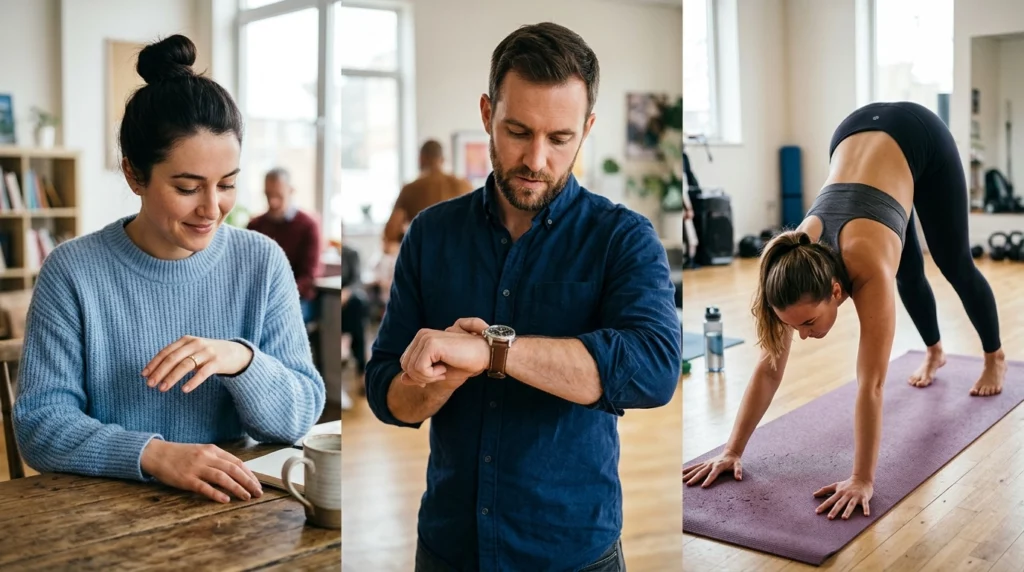
Rings and watches are exceptionally good at tracking this specific, delicate metric. They use bright optical sensors pressed directly against your warm human skin. Mats must estimate this data by sensing the physical vibration of your pulse. Wearables will always provide slightly more accurate raw cardiovascular numbers overall.
Sleep Cycles and Blood Oxygen
Tracking your exact sleep stages is incredibly difficult for any consumer device. They all try to guess when you enter deep or REM sleep manually. Watches and rings use a smart mix of heart rate and arm movement. Mats rely purely on your physical body weight shifting across the bed.
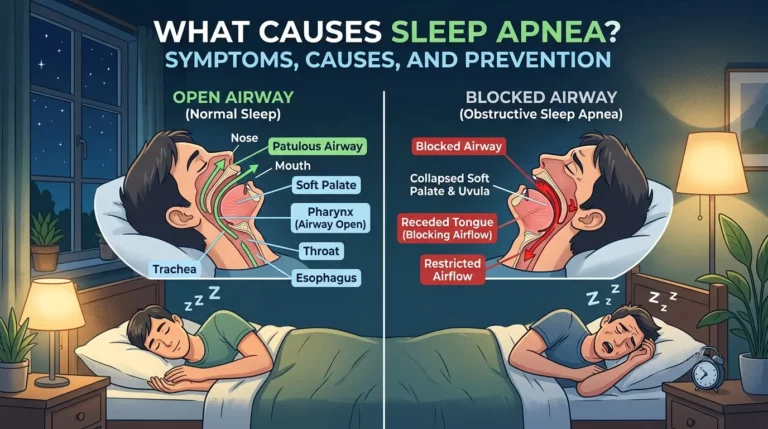
None of these consumer tools are perfect, flawless clinical medical devices. However, wearable devices can measure your blood oxygen saturation perfectly. A mat cannot shine a red light through your mattress to read oxygen. If you worry about sleep apnea, you absolutely need a wearable device. You might also want to try calming heavy layers to stop restless tossing.
Making Sense of the Health Data
Subscription Software Costs
Buying the physical hardware is only the first financial step. Many companies now hide their absolute best data behind a monthly paywall. You must pay a subscription fee to see your deep, long-term sleep trends.
Oura Ring famously requires a monthly fee to use their companion app. Fitbit also locks their deepest recovery metrics behind a paid premium wall. Apple currently offers their basic health software completely free of charge. You must accurately calculate this ongoing cost into your final buying decision.
The Concept of a Readiness Score
Raw numerical data is totally useless if you cannot understand it easily. Modern apps use your sleep metrics to create a simple daily score. This readiness score tells you exactly how hard you should exercise today.
If you slept poorly, the score drops significantly to warn your brain. The app will suggest light stretching instead of a heavy morning run. This prevents severe muscle injuries and stops total mental physical burnout. It helps you align your daily activities with your actual physical energy.
Privacy and Data Security
You are generating highly personal medical data while you rest peacefully. You must trust the technology company building your chosen wearable device. Read their official privacy policies to see how they handle your biometric signals.
You want to ensure your daily health statistics stay completely private forever. Do not buy cheap, unknown brands that might sell your personal information openly. Stick to established technology giants with strong, verified security track records. Your physical health data is incredibly valuable and highly sensitive.
FAQs
Can I wear a smart ring while lifting heavy weights?
You should definitely take your ring off before grabbing heavy metal dumbbells. The rough metal bar will severely scratch the ring and pinch your fingers.
Do sleep mats work correctly if I sleep with a partner?
Most modern sleep mats can isolate your specific body movements very well. You just place the sensor pad directly under your side of the bed.
Which device is the most accurate for tracking sleep stages?
Smart rings and smartwatches generally provide the most accurate stage data. They combine physical movement data with actual pulse and skin oxygen readings.
Are these tracking devices completely covered by health insurance?
Consumer health trackers are rarely covered by standard medical insurance plans today. They are widely considered general wellness tools rather than strict clinical medical equipment.
Will smartwatch radiation hurt my body while I sleep?
Smartwatches emit incredibly low levels of safe, non-ionizing radiation. They are completely safe for daily use and continuous overnight wear.
Final Takeaways
Finding the right sleep tracking tool depends entirely on your personal comfort. Smart rings offer a highly compact wearable design that feels completely invisible. They are totally perfect for people who hate bulky, heavy wrist straps.
Smartwatches provide a multi-functional daily tool that tracks your heavy workouts too. They feature gentle vibrating alarms that make waking up much easier. Sleep mats are brilliant for users who absolutely refuse to wear technology nightly. They require zero maintenance once you slide them safely under your mattress.
Look at your daily habits and pick the least annoying device possible. You will only get good health data if you actually use the tool consistently. Use this fresh data to build a highly successful nightly recovery routine. Better rest will completely change your entire daily life for the better.

- How to Use a Massage Gun: A Safe Guide for Beginners - October 7, 2026
- How to Speed Up Muscle Recovery: Beyond Rest and Stretching - August 13, 2026
- Best Piercing Pillows: Which Ones Actually Relieve Pressure? - August 11, 2026