How to Improve Indoor Air Quality in Winter for a Fresher Home
Here is how to improve indoor air quality in winter: let in fresh air, keep humidity in a healthy range, and cut smoke, strong scents, and dust at the source. A HEPA air purifier can add extra cleaning when you need it. Small daily habits often matter more than one big purchase.
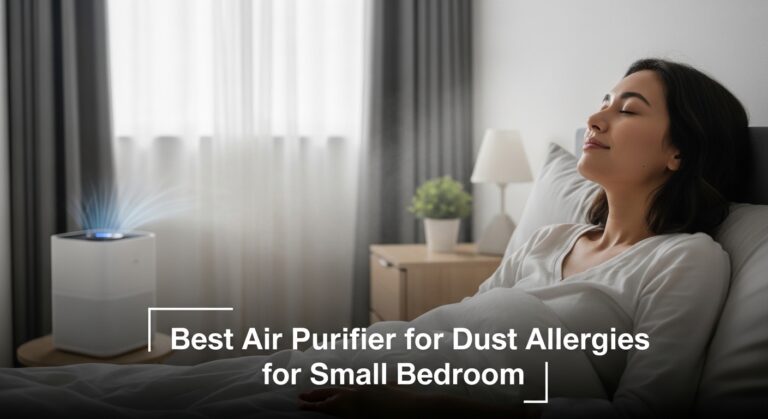
This applies to families, remote workers, and anyone who notices dry or stuffy rooms in the cold months. If dust is your main worry, an air purifier for dust allergies in a small bedroom is a good place to start, since the bedroom is where most people spend the longest unbroken stretch indoors.
How Do You Improve Indoor Air Quality in Winter?
You improve indoor air quality in winter by reducing pollution at the source, bringing in fresh air, and cleaning the air you already have. Here is a quick view of the main actions:
Action | Why it helps | Quick tip |
Ventilate | Moves stale air out and fresh air in | Open windows for a few minutes on days when outdoor air is clean |
Control moisture | Dry air can irritate, and damp air supports mold | Aim for 30 to 50 percent humidity |
Cut smoke and strong scents | Candles, fires, and sprays release particles and fumes | Use them less, and open a window when you do |
Clean dust often | Dust and pet dander build up when windows stay shut | Wipe with a damp cloth and vacuum weekly |
Filter the air | A HEPA filter captures fine particles | Match the purifier size to the room |
Start with the first three rows. They cost very little and work on the source of the problem.
Why Does Indoor Air Quality Get Worse in Winter?
Indoor air often gets worse in winter because homes stay closed, so pollutants have nowhere to go. Many people also spend more hours inside, so small sources add up.
- Closed windows trap dust, cooking fumes, and odors
- Heating can dry the air, which may irritate your nose and throat
- Cooking, showering, and drying clothes indoors add moisture
- Candles, fireplaces, and fuel burning heaters release particles and gases
- Cleaning sprays and scented products build up when ventilation is low
Cooking is one of the biggest everyday sources. A range hood helps, and air purifiers for cooking smells can catch some of what is left when you cannot open a window.
How To Improve Indoor Air Quality at Home Step by Step?
You can improve your indoor air in six simple steps, and most take only a few minutes.
- Open windows for 5 to 10 minutes a day when outdoor air is clean. Opening windows on opposite sides helps air move through faster.
- Run the kitchen fan while you cook and the bathroom fan while you shower. Keep the bathroom fan on for a while after your shower.
- Check humidity with a small hygrometer and aim for 30 to 50 percent.
- Wipe dusty surfaces with a damp cloth and vacuum weekly, ideally with a HEPA vacuum.
- Replace or clean furnace and purifier filters on the schedule in the manual.
- Place a HEPA air purifier in the room where you spend the most time, such as the bedroom.
A practical tip is to do one step per day for a week. That makes the routine easier to keep.
What Is the Best Humidity Level for Indoor Air in Winter?
Many health agencies suggest keeping indoor humidity between 30 and 50 percent. Too little moisture can leave your skin, eyes, and throat feeling dry. Too much can lead to window condensation, dust mites, and mold.
Heating often dries winter air. If your home feels very dry, a humidifier for dry winter skin in the bedroom may help, as long as you clean it as directed and avoid over humidifying.
If your humidity runs high, fix leaks quickly and wipe window condensation. Leave a small gap between furniture and cold outside walls so air can move.
Do Air Purifiers Help in Winter, and What Should You Look For?
Yes, an air purifier can help reduce airborne dust, pollen, and pet dander, but it works best with ventilation and cleaning. It also helps to understand how air purifiers work: most HEPA filters capture particles, not gases, so a carbon filter may help with some odors.
When you shop, look for these features:
- A true HEPA filter
- The right size for your room
- A low noise level, especially for bedrooms
- Filters that are easy to find and replace
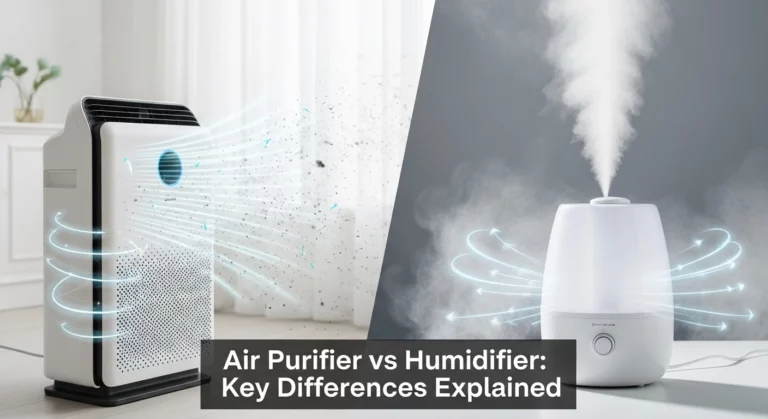
Air purifiers and humidifiers solve different problems. A purifier cleans particles from the air, while a humidifier adds moisture, and the difference between an air purifier and a humidifier matters when you decide which one your room needs.
What Winter Habits Make Indoor Air Worse?
Several common winter habits can make indoor air worse without you noticing.
- Sealing every gap and never opening a window
- Using unvented gas or kerosene heaters, which can release carbon monoxide
- Burning wood, lighting many candles, or using incense and strong sprays
- Running a car in a garage attached to your home
- Over humidifying, or skipping humidifier cleaning
- Forgetting to change filters
Who Should Be Cautious With Winter Air Changes?
People with asthma, allergies, lung or heart conditions, young children, and older adults should be extra careful. Check these points before you change your routine:
- Asthma or allergies: Dust and mold can trigger symptoms, so clean gently and ask your clinician what is safe for you.
- Outdoor air: Check your local air quality report first. Skip opening windows on days with smoke or heavy pollution.
- Fuel burning heaters and fireplaces: Install a carbon monoxide detector, and have the equipment serviced as directed.
- Humidifiers: Dirty units can spread mold or germs, so clean them as the label says.
- Ozone devices: Avoid air cleaners that make ozone on purpose.
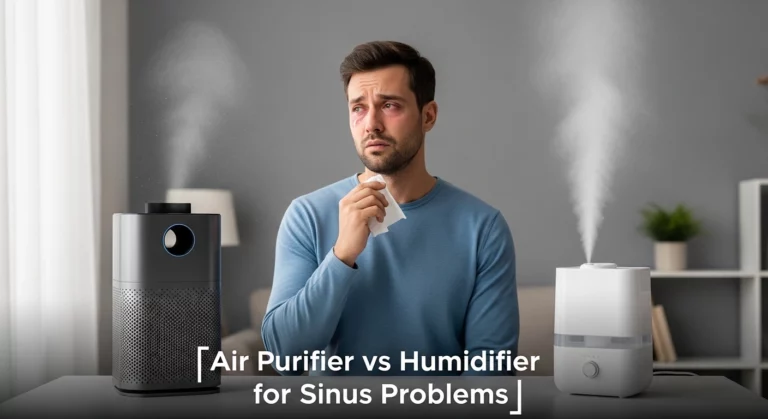
- Stuffy or dry nose: An air purifier or a humidifier for sinus problems may ease some symptoms, but talk to a clinician if they continue.
When Should You Talk to a Healthcare Professional?
Talk to a healthcare professional if you have an ongoing cough, wheeze, shortness of breath, eye or throat irritation, or headaches that seem tied to being indoors. They can help you find the cause and a safe plan.
Get urgent help if you suspect carbon monoxide. Dizziness, headache, nausea, or confusion, especially when several people at home feel unwell, are warning signs. Leave the home and call emergency services.
Frequently Asked Questions About Indoor Air Quality in Winter
How do you fix poor indoor air quality?
Start by finding and reducing the source, then ventilate and clean. Fix leaks, cut smoke and strong scents, open windows on clean air days, and dust often. If problems continue, a HEPA air purifier may help.
How can I purify air naturally at home?
The most natural ways are fresh air, moisture control, and regular cleaning. Houseplants look nice, but they are unlikely to clean the air much on their own. Avoid adding smoke and strong scents in the first place.
How can I test my indoor air quality at home?
You can use simple tools like a hygrometer for humidity and a carbon monoxide detector for gas. Some people add a home air quality monitor for dust and chemical estimates, though readings are only a guide. Radon or mold concerns may need a test kit or a professional.
How to get fresh air in the house in winter?
The easiest way to improve indoor air quality in winter is to open windows for a few minutes at a time on days when outdoor air is clean. Opening windows on opposite sides lets air flow through faster, so you lose less heat. Use bathroom and kitchen fans too.
What are the three most common ways to reduce pollutants in indoor air?
The three most common ways are source control, ventilation, and air cleaning. Source control means using fewer things that release pollutants, like smoke and strong sprays. Ventilation brings fresh air in, and a HEPA air purifier cleans what remains.
Key Takeaways
- Reduce pollution at the source first, then ventilate, then filter.
- Open windows for a few minutes on clean air days, even in cold weather.
- Aim for 30 to 50 percent humidity and check it with a hygrometer.
- A HEPA air purifier can help, but it does not replace fresh air and cleaning.
- Install a carbon monoxide detector, and see a professional for ongoing symptoms.

- How to Improve Indoor Air Quality in Winter for a Fresher Home - October 29, 2026
- What Is Lumbar Support? How to Place It for Long Sitting Comfort - October 29, 2026
- How to Use a TENS Unit for Lower Back Pain: Beyond Just Turning It On - October 29, 2026