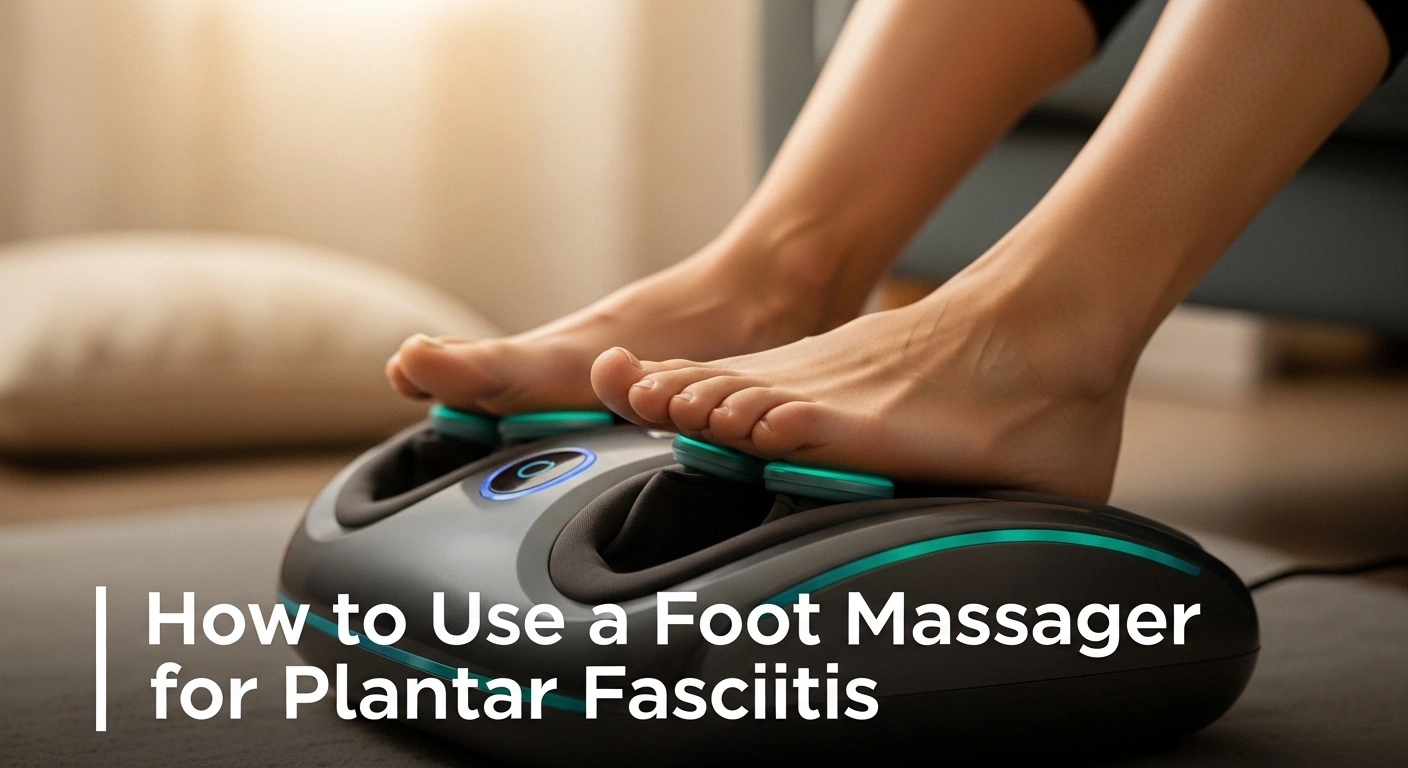
How to Use a Foot Massager for Plantar Fasciitis
Waking up with sharp heel pain is highly frustrating. This common issue happens when the thick tissue under your foot becomes inflamed. The plantar fascia connects your heel bone to your toes. When it stretches too far, it causes serious discomfort. You might wonder if adding a device to your daily routine will actually help. Fortunately, learning how to use a foot massager for plantar fasciitis correctly offers real relief. It reduces physical tension, increases blood circulation, and supports faster tissue healing. You can manage this painful condition safely at home with the right approach. Let’s look at the exact steps to treat your injured feet properly so you can walk comfortably again.
Using Your Massager for Maximum Plantar Fasciitis Relief
Your primary goal is to relax the tight ligament without causing more damage. Therefore, you must follow a careful daily routine to see real results. Doing this correctly makes treating severe discomfort in your heels much easier over time.
Start with a Low Intensity Setting
Never jump straight to the highest power setting. Your inflamed tissue is highly sensitive to direct pressure. First, turn on the machine and select the lowest speed. Let your foot rest gently on the rotating nodes. If the pressure feels okay after two minutes, you can slightly increase it. You want to feel a gentle stretch, not sharp pain. Your nerves need time to adjust to the physical stimulation safely. Being gentle allows the foot muscles to relax naturally without tensing up.
Limit Your Daily Session Time
More time does not mean faster healing for your feet. Keep your massage sessions relatively short. Five to ten minutes is perfect for most beginners. Furthermore, you can use the machine twice a day safely. Morning sessions help loosen up the tight tissue immediately. Evening sessions relax your feet after a long day of walking. Set a timer so you do not accidentally overwork the delicate area. Your arches need time to rest between sessions.
Target the Arch and Heel Carefully
The pain usually sits right at the bottom of the heel bone. However, the entire foot arch needs careful attention. Move your foot slowly over the massage nodes. Focus heavily on the middle arch of your foot. This action relieves the tight pulling tension on the heel. Avoid grinding your heel directly into hard massage rollers. Instead, let the machine gently knead the surrounding foot muscles. Working the surrounding area provides much better results.
Use the Built-In Heat Therapy
Many modern electric massagers come with a built-in heating function. Heat is excellent for managing chronic foot pain. It opens up your blood vessels and improves local circulation. Turn on the heat setting during your quiet evening session. The warmth will loosen stiff connective tissues very easily. The soothing heat penetrates deep into the thick heel pad. However, skip the heat if your foot feels swollen or acutely inflamed.
Choosing the Right Machine for Your Foot Mechanics
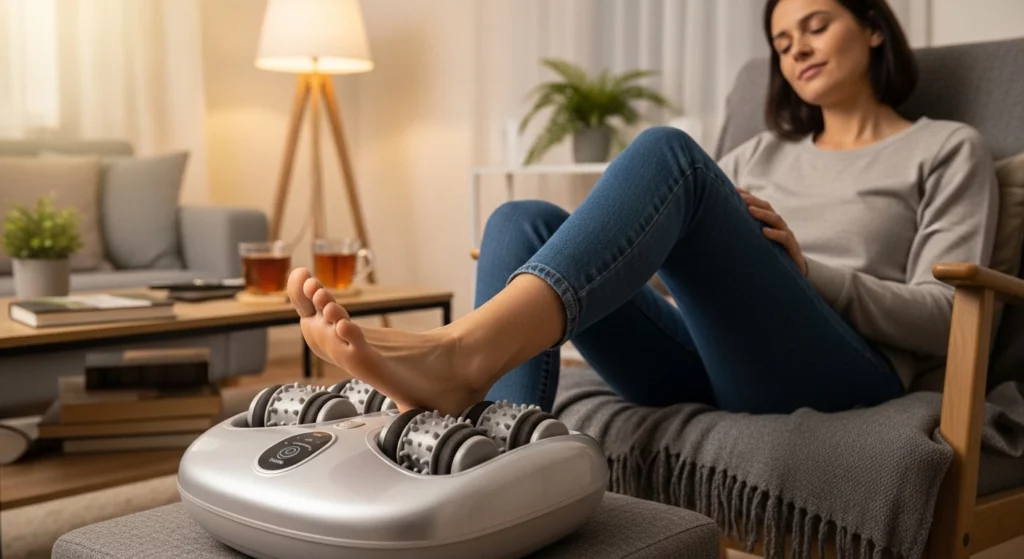
Different machines target the foot in very different ways. You need to match the tool to your specific pain levels. Consequently, finding the perfect device for inflamed arches becomes a top priority for your recovery.
Electric Shiatsu Massagers
These devices use rotating plastic nodes to mimic human hands. They dig deeply into the thick foot muscles. Therefore, an electric shiatsu device is excellent for breaking down tough muscle knots. You just plug them in and place your feet inside.
- They offer consistent, even pressure across the sole.
- Most include optional heat settings for extra comfort.
- They require zero physical effort to operate daily.
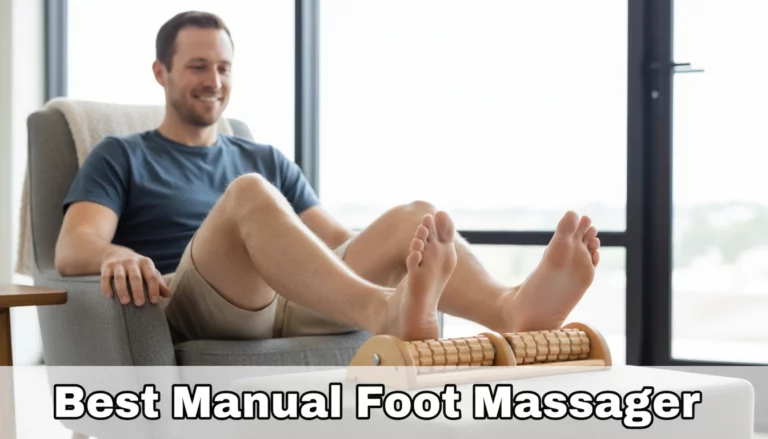
Manual Wooden Foot Rollers
Sometimes, simple tools work incredibly well for daily recovery. A wooden roller lets you control the exact pressure applied. You simply roll your bare foot back and forth over the ridges.
- They are highly portable for easy daily travel.
- You control the exact depth of the physical massage.
- They cost much less than heavy electric models.
Water Spa Massagers
A water spa combines warm water with gentle mechanical vibrations. This is the gentlest option for highly sensitive feet. The warm water soothes the entire foot and ankle joint simultaneously.
- They safely reduce severe foot stiffness in the morning.
- Epsom salts can be easily added for extra relief.
- The vibration is very mild on sore, tender heels.
Understanding Why Massage Helps Your Tissue Heal
You might wonder what actually happens inside your foot during a session. A massager does more than just feel good on your skin. It physically changes the internal state of your muscles and ligaments.
Boosting Local Blood Flow
Inflamed tissues need constant oxygen and nutrients to heal properly. Your feet are far from your heart, so blood flow is naturally slower. The physical pressure from the machine acts like a mechanical pump. It pushes old blood out and pulls fresh blood in. Consequently, this fresh blood helps repair the tiny tears in your arch. Healing happens much faster with proper circulation.
Breaking Down Stiff Muscle Knots
Your body forms tight knots of tissue around the injured area. It does this to protect the damaged heel bone from daily impact. However, these knots limit your flexibility and cause severe morning stiffness. A deep massage node pushes directly into these tight bands. The rolling motion slowly breaks down the stiff tissue. Over time, your foot regains its normal, healthy range of motion.
Releasing Natural Pain Relievers
Physical massage triggers a strong response from your nervous system. Your brain releases endorphins in response to the soothing physical pressure. These natural chemicals block pain signals from reaching your brain. As a result, your foot simply hurts much less after a good session. This lasting relief makes walking much easier throughout the entire day.
Important Steps Before and After Your Session
Using the electronic device is only one part of the recovery process. You must prepare your foot correctly beforehand. You also need to care for it afterward to lock in the daily benefits. Understanding if shiatsu massagers treat ankle discomfort also helps you prepare the entire lower leg.
Prep Your Feet with Gentle Stretches
Never put a cold, stiff foot directly into a strong machine. You must warm up the leg muscles first. Sit on a chair and pull your toes gently toward your shin. Hold this easy stretch for exactly thirty seconds. Next, roll a soft tennis ball under your foot for one minute. This prepares the tight fascia for the deeper mechanical massage.
Apply Ice After the Session
Deep massage can sometimes cause minor, temporary swelling in your heel. This is a very normal response to heavily increased blood flow. You should calm the sensitive area down once the machine stops. Grab a cold ice pack or a frozen water bottle. Roll it under your arch for about ten to fifteen minutes. The cold temperature reduces any new inflammation immediately.
Wear Supportive Footwear Immediately
Do not walk around the house barefoot after your healing session. Walking barefoot puts immediate strain back on the freshly relaxed ligament. Keep a pair of supportive slippers nearby at all times. Put them on as soon as you stand up from your chair. Good arch support maintains the relaxed state of your foot perfectly. Your arches need constant physical support.
Mistakes You Must Avoid During Treatment
Many people accidentally make their heel pain worse at home. They simply use their machines incorrectly or too aggressively. Avoiding these common errors will keep your daily recovery strictly on track.
Pushing Through Sharp Pain
Massage should always feel like a relaxing physical therapy. It should never cause you to wince or pull your foot away quickly. If you feel sharp, stabbing pain, stop the machine immediately. Pushing through the pain will create more tears in your tissue. Always listen to your body and back off the heavy pressure. Healing requires patience, not brute force.
Massaging Fresh, Acute Injuries
If you just injured your foot today, do not massage it. Acute injuries need complete rest and ice first. Wait at least 48 hours before introducing deep physical pressure. Massaging a fresh injury increases swelling and delays the healing process significantly. Give your body time to settle down first.
Ignoring Your Tight Calf Muscles
Your foot mechanics are directly tied to your lower leg. Tight calf muscles pull constantly on your heel bone all day long. This constant pulling severely strains the tissues under your foot. Many patients skip calf stretches and wonder why their heel still hurts. A tight Achilles tendon puts direct stress on the bottom of your foot. You must also stretch your calves daily for complete, lasting relief.
Frequently Asked Questions
Can a foot massager make plantar fasciitis worse?
Applying too much pressure can definitely irritate the inflamed tissue further. Pushing through sharp pain creates new micro-tears in the delicate ligament. Therefore, you must always stick to gentle settings during your daily routine. Stop using the machine if you feel any sudden, stabbing discomfort. Listen closely to your body at all times to avoid setbacks.
How many times a day should you massage plantar fasciitis?
You should aim for two short sessions every single day. A quick morning routine helps loosen up those stiff overnight muscles. Furthermore, an evening session relaxes your tired feet after hours of heavy walking. Keep each session under ten minutes to avoid overworking the sensitive arch. Consistency is the secret to getting highly effective results.
Is heat or cold better for a foot massager with plantar fasciitis?
Both temperatures serve completely different purposes for your healing feet. Heat helps relax tight muscles and increases local blood flow significantly. However, you should use cold therapy to calm sudden swelling down. Ice your foot quickly if the tissue feels warm or painfully throbby. Never apply heat to a swollen, red foot.
Where exactly should you massage for plantar fasciitis?
Focus your attention mainly on the middle arch of your foot. The thick band of tissue runs directly across this central area. Massaging the arch relieves the heavy pulling tension on your sore heel. Avoid grinding the machine directly into the most painful heel spots. Working the surrounding muscles provides the best pain relief.
Do foot massagers help with heel spurs caused by plantar fasciitis?
Mechanical pressure will not dissolve or break down a bony heel spur. However, these machines effectively relax the tight surrounding tissues and ligaments. Relaxing these muscles greatly reduces the daily friction against the sharp bone. Consequently, you will feel much less pain when walking around your home. The relief comes from relaxed muscles, not bone changes.
Final Takeaways
Treating heel pain requires daily patience and high consistency. Your machine is a highly effective physical tool when used correctly. Always start with short sessions and very low pressure settings. Focus on improving blood flow and relaxing the tight arch safely. Remember to pair your sessions with proper daily stretching and good footwear. Furthermore, never push through sharp pain or massage a swollen foot. By following these exact steps, you will help your tissue heal faster. Consistent, gentle care will get you back on your feet comfortably.

- Best Heating Pads for Back Pain: Electric, Cordless, or Microwavable? - October 9, 2026
- How Do Air Purifiers Work? Inside the Filtration Process - October 9, 2026
- How to Use a Massage Gun: A Safe Guide for Beginners - October 7, 2026