Does a TENS Unit Actually Work? The Honest Medical Truth
Living with chronic pain is incredibly exhausting. It drains your daily energy and makes simple tasks feel impossible. You have likely tried countless creams, pills, and hot patches with little success. Eventually, a physical therapist or a desperate friend suggests trying a TENS machine.
You look at this tiny plastic box with its sticky pads and wires. It looks like a bizarre science experiment, not a real medical device. It is completely normal to feel deeply skeptical about electrical stimulation. Sending electricity into your painful muscles sounds both dangerous and slightly crazy.
However, modern medicine relies heavily on these portable units for a specific reason. They provide a highly unique type of drug-free pain relief. Let us explore the actual science behind Transcutaneous Electrical Nerve Stimulation today.
The Science of Electrical Pain Relief
The Gate Control Theory
To understand how TENS works, you must understand how your body feels pain. When you injure your lower back, your damaged nerves send an urgent message. This pain signal travels rapidly up your spinal cord directly to your brain. Your brain translates that specific signal into the feeling of sharp physical pain.
A TENS unit aims to intercept that exact message before it arrives. The machine sends a harmless, gentle electrical pulse directly into your skin. This electrical buzzing travels up your spinal cord much faster than the pain signal.
According to the famous Gate Control Theory, your spinal cord acts like a physical gate. The fast electrical signal arrives first and essentially slams the gate shut. The slower pain signal gets completely blocked from reaching your brain. You feel the gentle buzzing of the machine instead of your agonizing back pain.
Stimulating Natural Endorphins
Blocking the pain signal is only half of the TENS unit strategy. The electrical pulses also trigger a massive chemical reaction inside your brain. The steady buzzing encourages your body to release large amounts of endorphins naturally.
Endorphins are your body’s powerful, built-in painkillers. They interact with the exact same brain receptors as heavy prescription pain medication. A strong rush of endorphins makes you feel deeply relaxed and comfortable.
This is why many people use TENS units alongside tools like the GABRYLLY Ergonomic Office Chair while working. The chair provides structural support, while the TENS unit provides chemical pain relief. This dual approach is incredibly effective for surviving a long, painful workday.
What TENS Does Not Do
It is crucial to understand the medical limitations of these devices entirely. A TENS unit will not actually heal your damaged physical tissues. It does not repair a torn muscle or fix a broken bone. It only temporarily changes how your brain perceives the existing pain.
It is a highly effective management tool, not a magical medical cure. When you turn the buzzing machine off, the pain will eventually return. You must still perform your physical therapy exercises to heal the actual injury. TENS simply provides the temporary comfort you need to do that hard work.
What to Expect During a Session
The Physical Sensation
Many first-time users are terrified of getting a painful electric shock. A proper TENS session should never, ever feel actively painful. When you slowly turn the dial up, you will feel a light tingling. It feels exactly like your foot falling asleep, but in a very pleasant way.
As you increase the intensity, the tingling turns into a strong, rhythmic buzzing. You might see your muscles twitch slightly under the sticky electrode pads. This light twitching is completely normal and shows the machine is working.
You have total control over the exact intensity level at all times. If the buzzing becomes too aggressive, you simply dial it back down. The goal is to find a strong but highly comfortable level of stimulation.
Placing the Electrode Pads
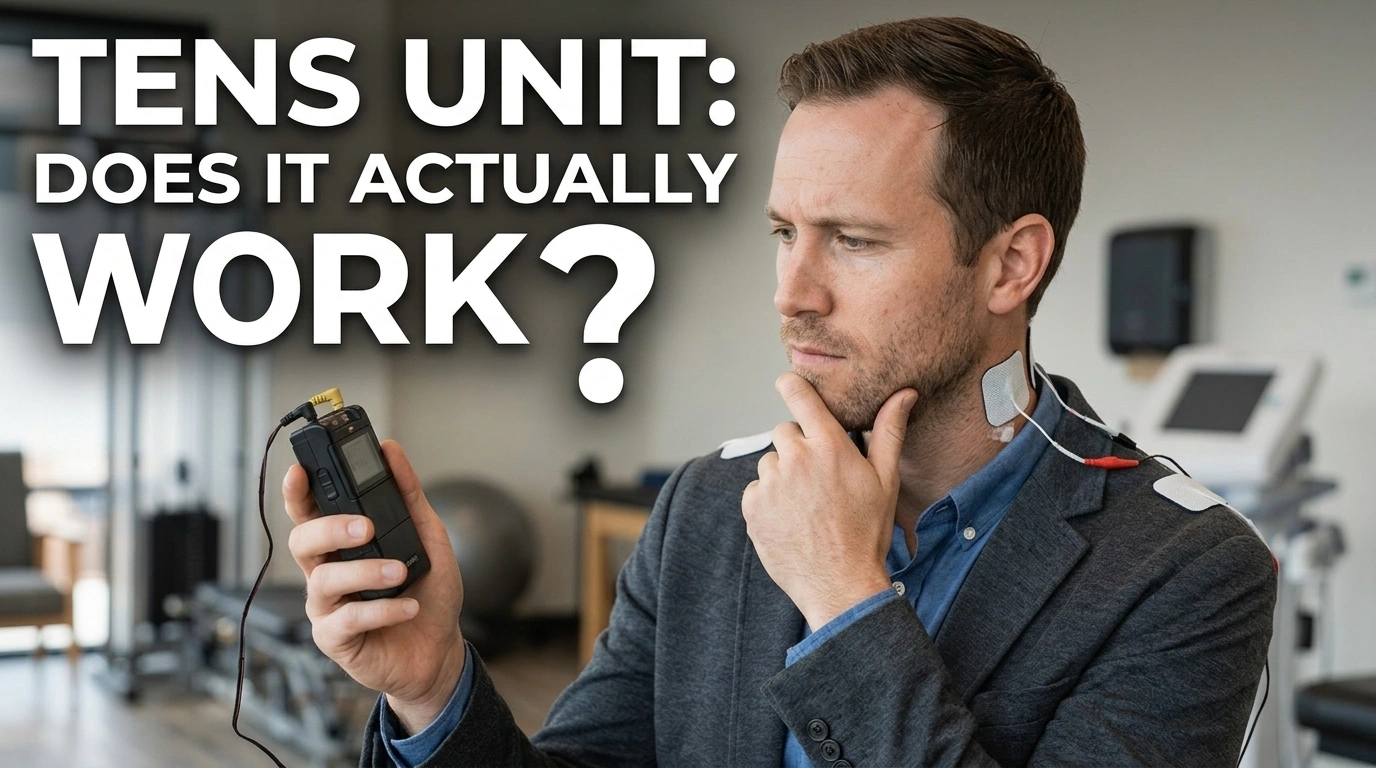
Pad placement is the absolute secret to getting real pain relief. You must surround the most painful area with the sticky electrode pads. Do not place the pads directly on top of your spinal cord ever. You want to bracket the pain, placing pads on the muscles surrounding it.
If your lower right back hurts, place one pad above the pain. Place the second pad directly below the painful spot. The healing electrical current will flow freely between the two sticky pads. This creates a powerful field of pain relief right where you need it most.
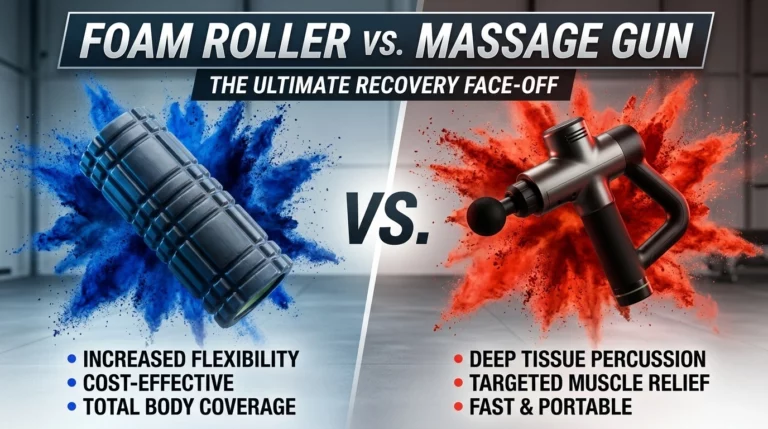
Always clean your skin thoroughly before sticking the pads down. Lotion or body oil will ruin the sticky gel instantly. If you need to treat massive areas, you might also consider comparing a Foam Roller vs Massage Gun for broader relief.
Finding the Right Settings
Modern TENS machines look incredibly confusing at first glance. They have many different modes, frequencies, and pulse widths to choose from. Do not let these complex medical terms intimidate you.
Most people find excellent relief using a continuous, high-frequency setting. This provides that steady, fast buzzing that blocks pain signals perfectly. If your muscles feel deeply tight, try a low-frequency, burst setting instead. This creates a slower, pulsing sensation that mimics a gentle tapping massage.
Your physical therapist can write down the exact settings for your specific injury. Write these numbers down so you can easily replicate the clinical experience at home.
Safety Rules and Medical Warnings

When to Avoid TENS Therapy
While highly safe for most people, TENS is not for everyone. You absolutely must consult your doctor before buying a machine if you have heart issues. The electrical pulses can dangerously interfere with pacemakers or implanted defibrillators.
Pregnant women should never place the sticky pads anywhere near their abdomen or lower back. The electrical current’s effect on fetal development is still not fully understood. You must also never place the pads near your throat or the front of your neck. The pulses can easily cause severe, dangerous spasms in your airway muscles.
Protecting Your Skin
The sticky gel on the electrode pads can cause mild skin irritation over time. You must never leave the pads running on your body for hours on end. A standard TENS session should only last about twenty to thirty minutes total.
Peel the pads off very gently when your session is completely finished. Ripping them off quickly will tear your delicate top layers of skin. If you notice a red, angry rash developing, stop using the machine immediately. You might need to buy special hypoallergenic pads for highly sensitive skin.
You should also check your pads frequently for heavy wear and tear. When they lose their stickiness, the electrical current cannot enter your skin safely. Old pads will cause a sharp, stinging sensation instead of a pleasant buzz.
Managing Your Expectations
A TENS unit is a fantastic addition to your daily pain management routine. It is incredibly cheap, highly portable, and deeply effective for many people. It offers a wonderful alternative to taking harsh stomach-damaging pain pills daily.
However, it is vital to remember that results vary wildly between different patients. Some people experience total, miraculous pain relief within ten minutes of use. Other people feel absolutely no difference whatsoever, even on the highest settings.
The only true way to know if it works is to try it yourself. If you are comparing it to other tools, read Theragun vs Hyperice Massage Gun to explore percussive therapy. Different bodies respond uniquely to different types of physical stimulation.
FAQs
Can a TENS unit actually damage my nerves permanently?
No, a standard unit does not produce enough electricity to damage your nerves. It is a highly safe, FDA-approved medical device when used as directed.
How often can I use my TENS machine daily?
You can safely use the device up to three or four times a day. Just ensure you take hour-long breaks between your thirty-minute sessions.
Will a TENS unit help my severe sciatica pain?
Yes, many people find massive relief for radiating nerve pain like sciatica. You must place the pads correctly along the nerve path for best results.
Can I wear my TENS unit while I sleep at night?
No, you should never sleep with the machine actively running. You could accidentally roll over and turn the intensity up to a painful level.
Why does my TENS unit feel like tiny sharp needles?
Your sticky pads are likely old and dried out completely. The electricity is arcing into your skin instead of flowing smoothly through the wet gel.
Final Takeaways
A TENS unit is not a bizarre gimmick or a useless toy. It is a clinically proven medical tool used by physical therapists worldwide. It uses harmless electricity to physically block pain signals from reaching your tired brain. It also triggers a massive flood of natural, pain-killing endorphins into your bloodstream.
The machine will not magically heal your torn muscles or your damaged spine. It simply offers temporary, drug-free relief from chronic daily agony. This relief allows you to finally relax and perform your physical therapy exercises properly.
Always consult your doctor before using electrical stimulation, especially if you have a heart condition. Learn the correct pad placement for your specific injury for maximum healing effect. Keep your sticky pads clean and replace them when they dry out. If used correctly, a cheap TENS unit can drastically improve your daily quality of life.

- How to Speed Up Muscle Recovery: Beyond Rest and Stretching - August 13, 2026
- Best Piercing Pillows: Which Ones Actually Relieve Pressure? - August 11, 2026
- Best Red Light Therapy Panel: Expert Picks for Home Use - August 5, 2026