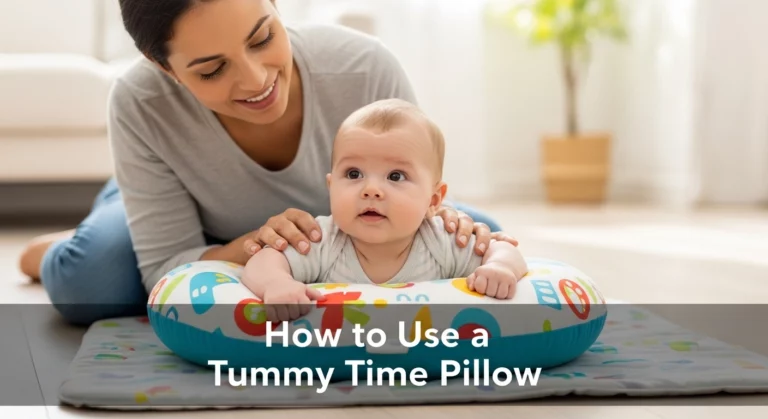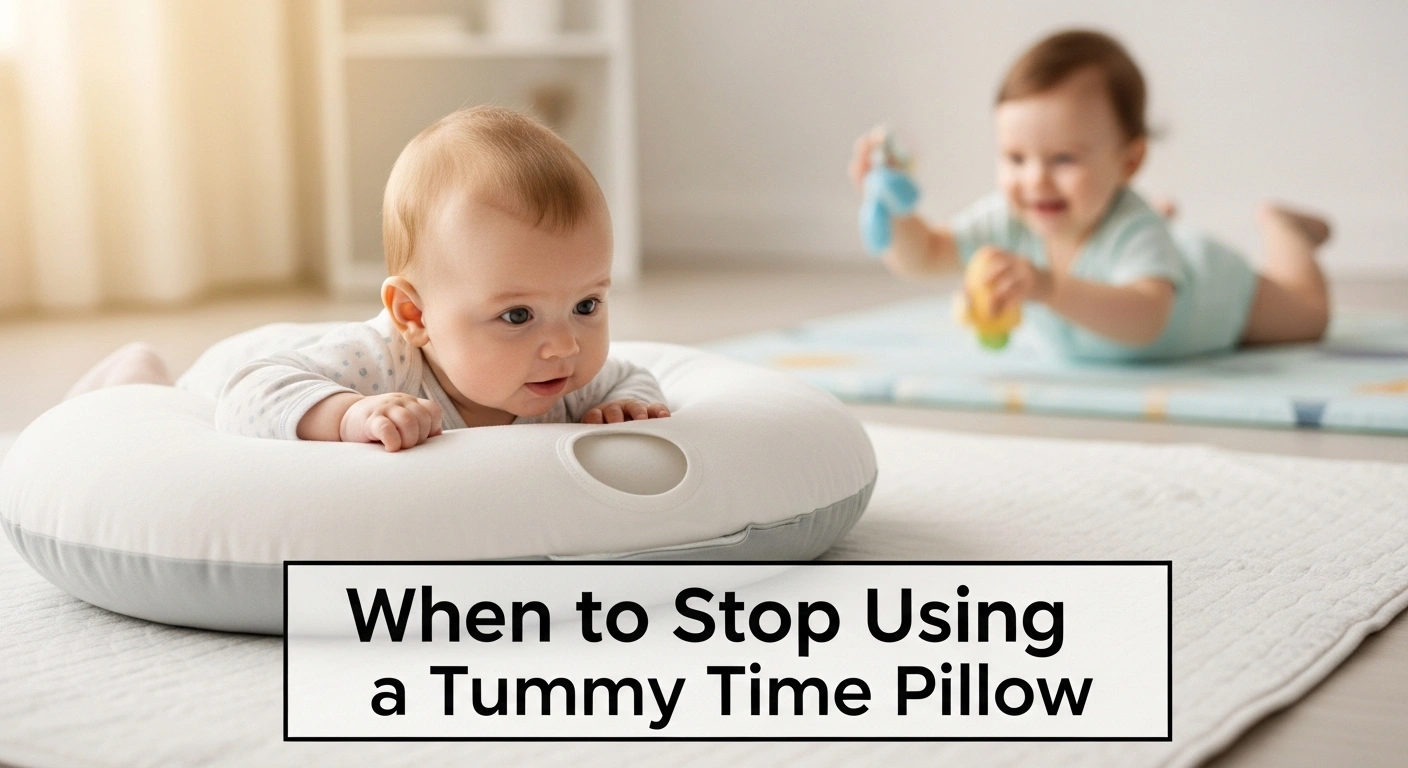
When to Stop Using a Tummy Time Pillow
Parents often wonder exactly when to stop using a tummy time pillow to support their growing baby. These soft cushions offer excellent early support for newborns who lack upper body strength. However, your baby will eventually outgrow the need for this mechanical lift. Knowing the right time to remove the prop ensures they continue to build neck strength naturally. By watching for specific developmental milestones, you can transition them to a flat surface safely and confidently.
Tracking Gross Motor Development
Every baby develops at their own unique pace. The American Academy of Pediatrics creates specific age-appropriate guidelines to track this physical growth. Proper tummy time pillow usage provides necessary leverage during the first few months. This mechanical lift helps them hold their heavy heads against gravity. However, keeping the pillow too long can actually slow down their gross motor development. If you are currently using a feeding cushion for early practice, watch closely for their next milestone.
Gaining Independent Head Control
Newborns have very weak neck muscles and need constant physical support. An infant support pillow makes early floor practice much easier and less frustrating. As they practice daily, they will gain head control steadily. You must monitor their progress closely during these short sessions. Once a baby can hold their head steady without wobbling, they are physically prepared for the next step.
Recognizing Physical Signs of Readiness
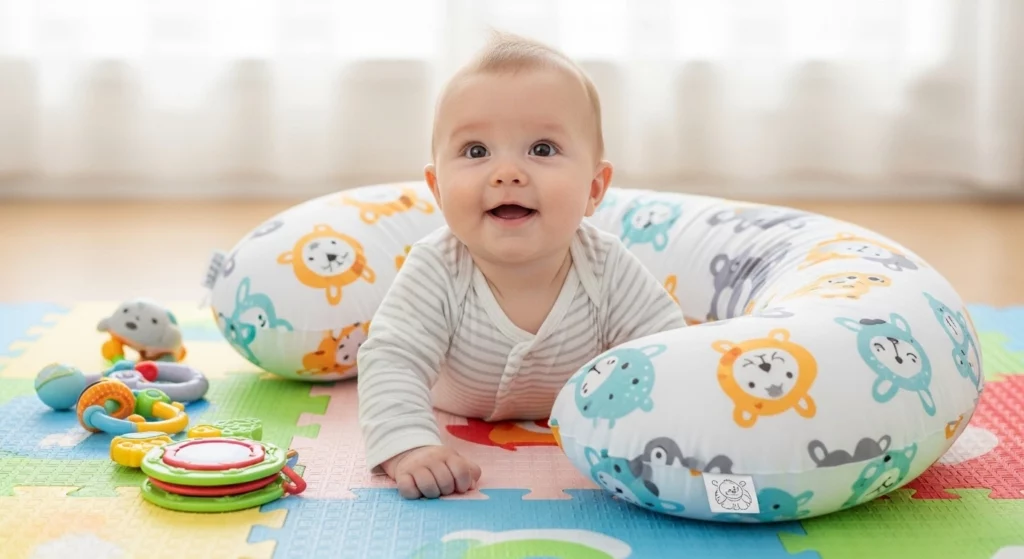
You must follow your baby’s physical cues to know when to phase out the cushion. They will clearly show you when they are ready for a transition.
The Push-Up Milestone
Around three to four months of age, most babies begin doing mini push-ups. They will use their forearms to lift their chest high off the floor. If they can push up easily while resting on their support cushion, it is time to progress. The pillow now restricts their natural movement rather than helping them. You should safely adjust their floor routine to match this new physical ability.
Moving Toward Flat Floor Time
Deciding on stopping to use tummy time pillow supports is a major developmental milestone. A flat surface forces their muscles to work much harder to fight gravity.
Building Core Stability
When you remove the best tummy time pillow, the baby must support their full body weight. This action directly strengthens their chest, arms, and back. Furthermore, a flat floor allows them to practice shifting their weight from side to side. This weight shifting is a mandatory physical requirement before they can learn to roll over or crawl.
Preventing Positional Plagiocephaly
The Safe Sleep Guidelines require babies to sleep flat on their backs. While this prevents sudden infant death syndrome, it can cause flat spots on the skull. This condition is called positional plagiocephaly. Daily floor practice completely removes this pressure from the back of the head. Therefore, you must continue daily floor practice even after you remove the support pillow.
Real-Time Clinical Example
I recently evaluated a five-month-old baby who was struggling to roll over. The parents were still using a thick support cushion for every play session. The pillow was blocking his shoulders, preventing him from shifting his body weight. I instructed them to remove the prop entirely.
Within two weeks of flat floor practice, he successfully rolled from his stomach to his back. A supportive wedge is very similar to using specific adult bedding for temporary injury relief. Once the body heals and gains strength, the extra support is no longer medically necessary. Dr. Amanda Lewis, a pediatric physical therapist, agrees with this timeline.
“Support pillows are excellent training tools for the first three months,” Dr. Lewis states. “However, once an infant can lift their chest independently, the pillow physically traps their arms and delays rolling.” Therefore, you must transition them to a flat surface to encourage independence.
Frequently Asked Questions
What is the main sign my baby is ready to stop using the pillow?
The biggest sign is when they can hold their head up steadily without bobbing. If they can push up on their forearms and lift their chest easily, they are ready. At this point, they physically require a flat surface to progress further.
Will stopping the pillow use delay my baby’s rolling skills?
No, removing the support cushion actually helps them learn to roll faster. The pillow blocks their shoulders and prevents them from shifting their body weight side to side. A flat floor allows them to practice the exact movements needed to roll over completely.
Can I still use the pillow if my baby cries on the flat floor?
Yes, you can transition very slowly if they get upset. Try starting with the flat floor for one minute and then offer the pillow. Gradually increase the flat floor time every single day to build their muscle tolerance naturally.
Should I use different support if they still hate the flat floor?
You can try getting down on the floor face-to-face with them first. Your face provides excellent distraction and emotional encouragement. If they still struggle, you can try placing a very thin rolled towel under their chest temporarily.
At what age do most babies stop needing the tummy time pillow?
Most babies phase out the support pillow between three and four months of age. This is typically when they develop strong independent head control. However, you must always follow your own baby’s physical cues rather than a strict calendar.
Final Takeaways
Knowing exactly when to remove a support cushion depends entirely on your baby’s physical strength. You should stop using the pillow once they can hold their head steady and push up on their forearms. Transitioning to a flat floor allows them to practice shifting their weight and rolling over. Always monitor their progress closely and follow their natural developmental cues. By removing the prop at the right time, you will successfully promote healthy motor skills and independent movement.
References
- NewYork-Presbyterian. (2025). Hitting the Mark: Important Developmental Milestones in a Baby’s Life.
- The Royal Children’s Hospital. (2025). Kids Health Info: Tummy time for your baby.
- Southwest Pediatrics. (2025). Tummy Time 101: Building Baby’s Strength One Minute at a Time.
- Nemours KidsHealth. (2025). Tummy Time.
- Centers for Disease Control and Prevention. (2026). Milestones by 4 Months.
- BabyCenter. (2025). When can babies hold their head up?

- Best Heating Pads for Back Pain: Electric, Cordless, or Microwavable? - October 9, 2026
- How Do Air Purifiers Work? Inside the Filtration Process - October 9, 2026
- How to Use a Massage Gun: A Safe Guide for Beginners - October 7, 2026