Best Pillows for Tummy Sleepers: Why Thinner Isn’t Always Better
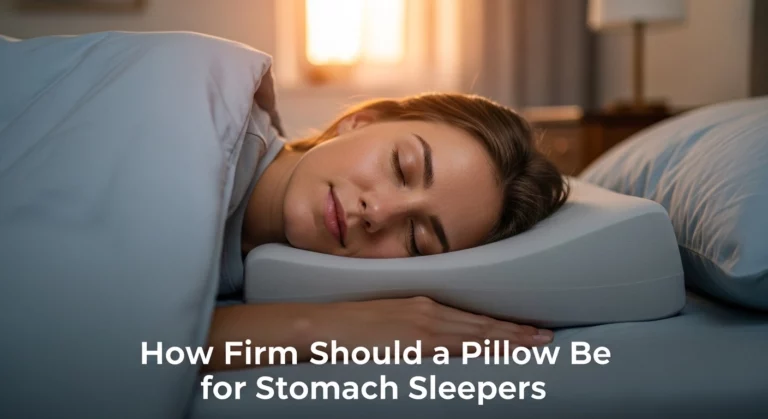
Stomach sleeping is the position most likely to cause morning neck stiffness because the head stays elevated above the mattress plane while the cervical spine rotates to one side. The solution is not simply a thinner pillow, it is a pillow that compresses deeply under the weight of your head and breathes well enough that exhaled air does not trap heat. The Utopia Bedding and BLISSBURY pillows are best pillows for tummy sleepers because they get the compression equation right for different material preferences. Choosing poorly here means waking with worse neck tension than the pillow was meant to fix.
The ten options below cover both the head pillow question and one dedicated hip-support option for complete spinal management.
Top 10 Pillows for Tummy Sleepers Compared
Pillow Name | Best For | Fill Material | Price |
|---|---|---|---|
Utopia Bedding | Budget-Friendly Softness | Polyester Fiber | |
Bluewave Bedding | Ultra-Slim Gel Cooling | Gel Memory Foam | |
Iwacool Thin Pillow | Lowest Profile Neck Relief | Memory Foam | |
Cozyplayer Contour | Transitional Sleepers | Memory Foam | |
BLISSBURY Pillow | Premium Foam Support | Memory Foam | |
DLIGHT BD Slim | Balanced Medium Support | Gel Memory Foam | |
vamorry Lumbar | Pelvic / Hip Support | Memory Foam | |
MOONYOOY Rest | Prone Reading & Massage | Memory Foam | |
Purple Harmony | Luxury Latex Airflow | Talalay Latex / GelFlex | |
Tempur-Pedic Cloud | Cloud-Like Sinking Relief | Tempur Material |
1. Utopia Bedding Bed Pillows: Best for Budget-Friendly Softness
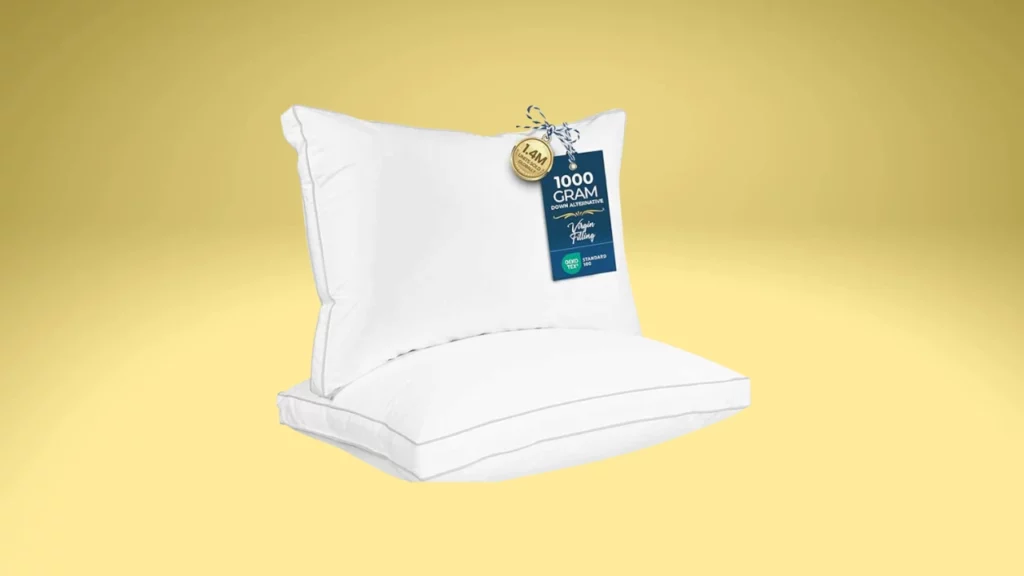
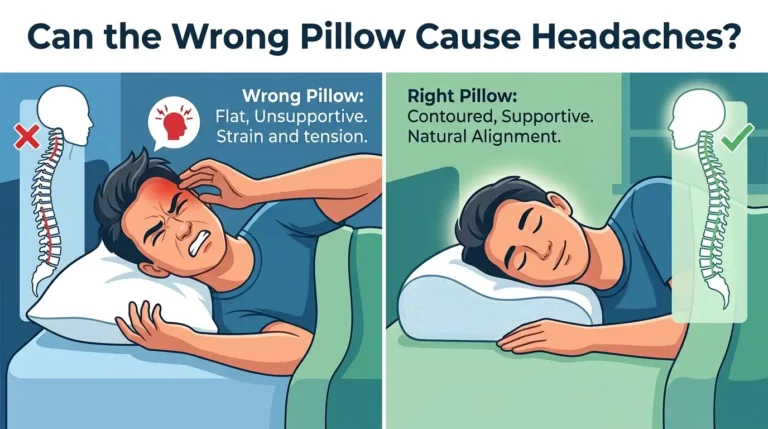
The Utopia Bedding pillows use a down-alternative polyester fill that compresses significantly under the head, dropping from five inches to a manageable height that keeps the neck from tilting back. Gusseted edges prevent the fill from migrating entirely to one side overnight. For stomach sleepers who also deal with can the wrong pillow cause headaches, the compressibility here is directly relevant since neck extension from an overly tall pillow is a common culprit.
Why We Picked It:
High compressibility and a soft fiber feel offer the best entry-level option for stomach sleepers who dislike firm foam.
Pros:
Compresses deeply under head weight; gusseted design; breathable polyester fill; budget two-pack.
Cons:
Needs frequent fluffing; no firm support structure; may compress too much for heavier users.
2. Bluewave Bedding Ultra Slim: Best for Ultra-Slim Gel Cooling
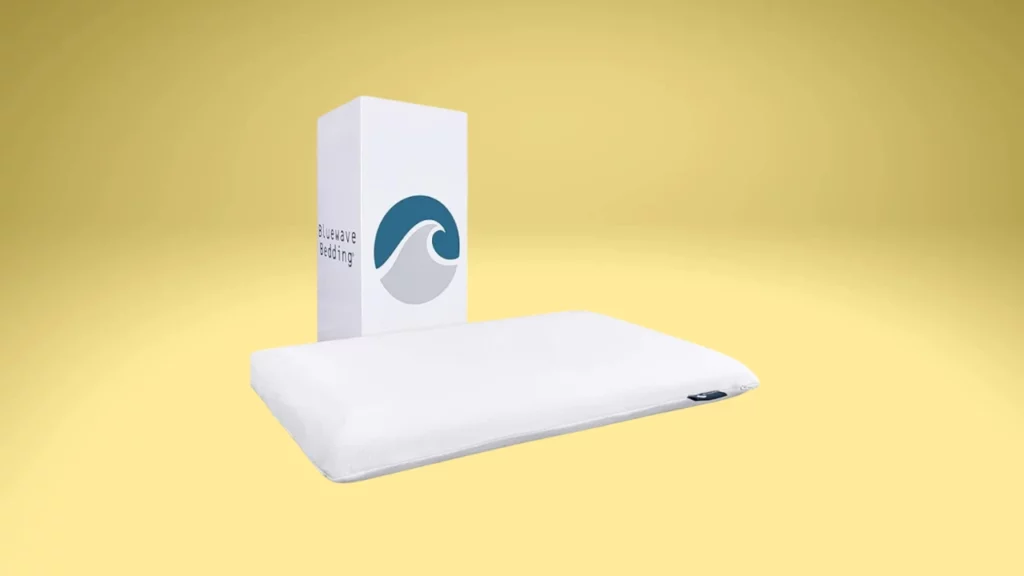
At 2.75 inches, the Bluewave Ultra Slim physically prevents the cervical spine from tilting upward while you sleep face-down. The gel-infused memory foam includes ventilation channels that move exhaled body heat away from the face, which is one of the practical problems that makes stomach sleeping uncomfortable on standard foam. Medium-firm density keeps the head from bottoming out entirely against the mattress.
Why We Picked It:
Ventilation channels and a 2.75-inch fixed loft make it the most straightforward solution for neck alignment and heat management together.
Pros:
Ultra-low 2.75-inch profile; gel infusion and ventilation channels; CertiPUR-US certified; washable cover.
Cons:
May feel too thin for those transitioning from standard pillows; not supportive for side sleeping.
3. Iwacool Thin Pillow: Best for Lowest Profile Neck Relief
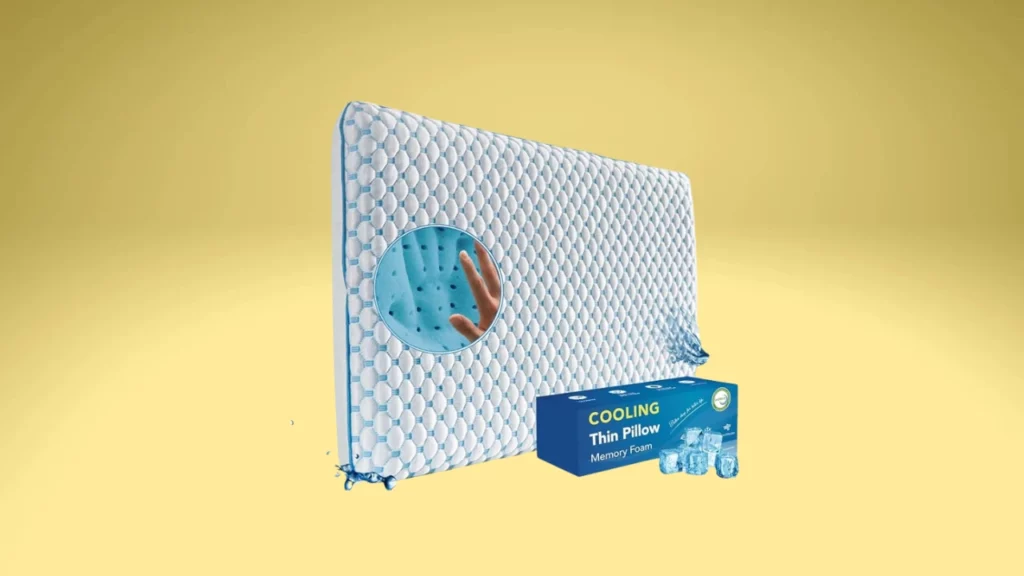
Iwacool drops the loft to 2.25 inches, the lowest fixed-height foam option in this comparison. Punched ventilation holes and a dual-sided cover, cool-touch on one face, softer rayon on the other, add some thermal flexibility. It functions almost like a padded mattress extension, which suits strict stomach sleepers who have been sleeping with no pillow or a folded towel. People exploring a pillow with centre hole for ear pressure while lying face-down will find the low-loft concept directly relevant to reducing any kind of forced head elevation.
Why We Picked It:
Lowest fixed-profile option available, suited for the strictest stomach sleepers who need near-zero elevation.
Pros:
2.25-inch profile; dual-sided cover; punched ventilation; certified foam; never flattens out.
Cons:
Zero shoulder support for side sleeping; firm feel against the jawbone; narrower than standard pillow dimensions.
4. Cozyplayer Contour Pillow: Best for Transitional Sleepers
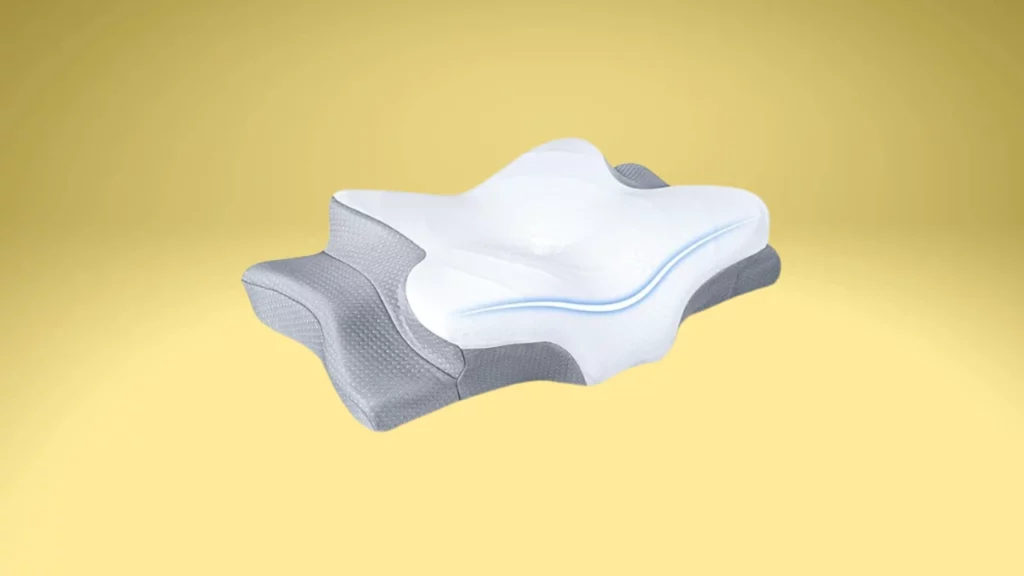
The Cozyplayer addresses combination sleepers who shift between stomach and side positions during the night. The hollow central cavity lets the head drop lower than the 5.1-inch maximum when face-down, while the raised outer zones provide shoulder clearance when rolling sideways. Arm cutouts accommodate the common stomach sleeper habit of tucking an arm under the pillow. A Q-Max cooling cover handles heat generated from face-down breathing.
Why We Picked It:
Dedicated zones for both stomach and side sleeping solve the compatibility problem that single-position pillows cannot address.
Pros:
Hollow center for face-down sinkage; arm cutouts; shoulder clearance zones; Q-Max cooling fabric; adjustable base.
Cons:
Complex shape needs an adjustment period; will not fit standard pillowcases; not as flat as dedicated low-profile options.
5. BLISSBURY Stomach Sleeping Pillow: Best for Premium Foam Support
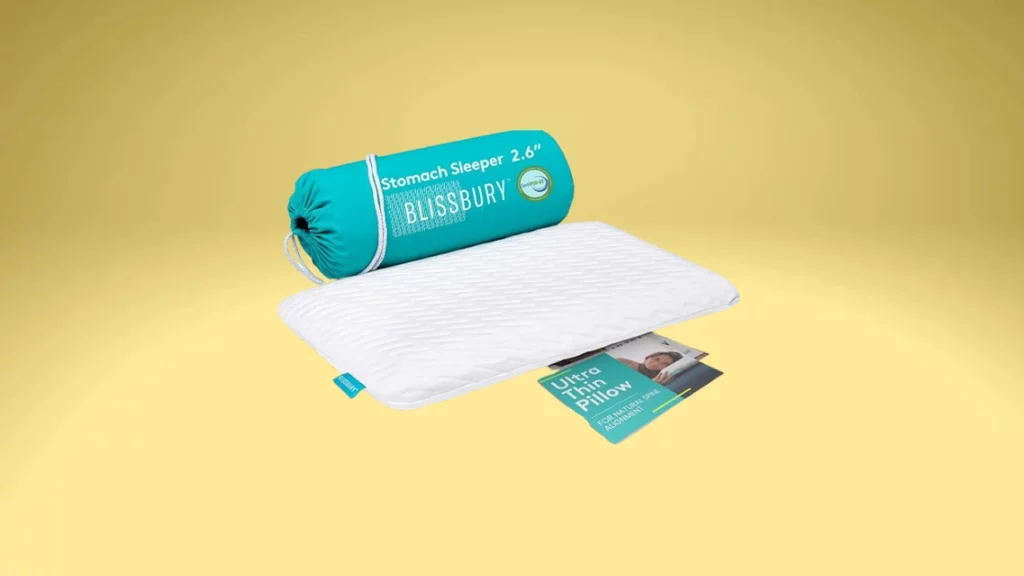
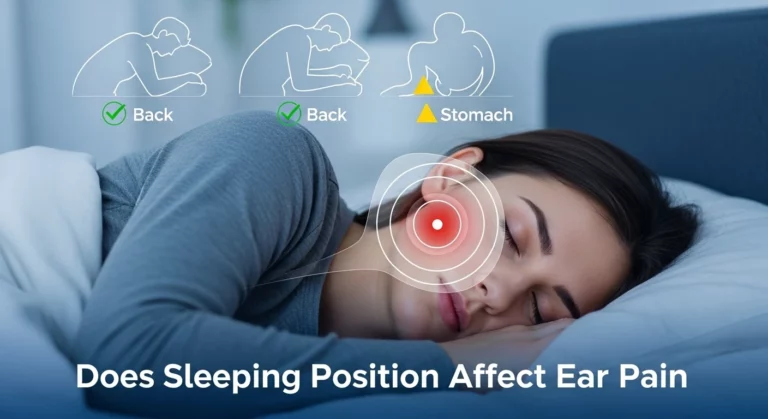
BLISSBURY hits a clinically useful middle point at 2.6 inches, firm enough to cushion the cheekbones and ears without pushing the head upward. Gel-infused foam with perforated ventilation keeps the surface from trapping heat, and a moisture-wicking cover handles sweat. The included travel bag makes it useful for maintaining sleep posture away from home, relevant for anyone who notices worse ear cartilage pain at night when using hotel bedding.
Why We Picked It:
Precise 2.6-inch loft, gel-ventilated foam, and moisture-wicking cover make it the most complete premium option for dedicated stomach sleepers.
Pros:
2.6-inch optimized loft; gel-infused ventilated foam; moisture-wicking cover; durable 50D foam; comes with travel bag.
Cons:
Needs 48 hours to expand after unboxing; too flat for reading or TV watching in bed.
6. DLIGHT BD Slim Pillow: Best for Balanced Medium Support
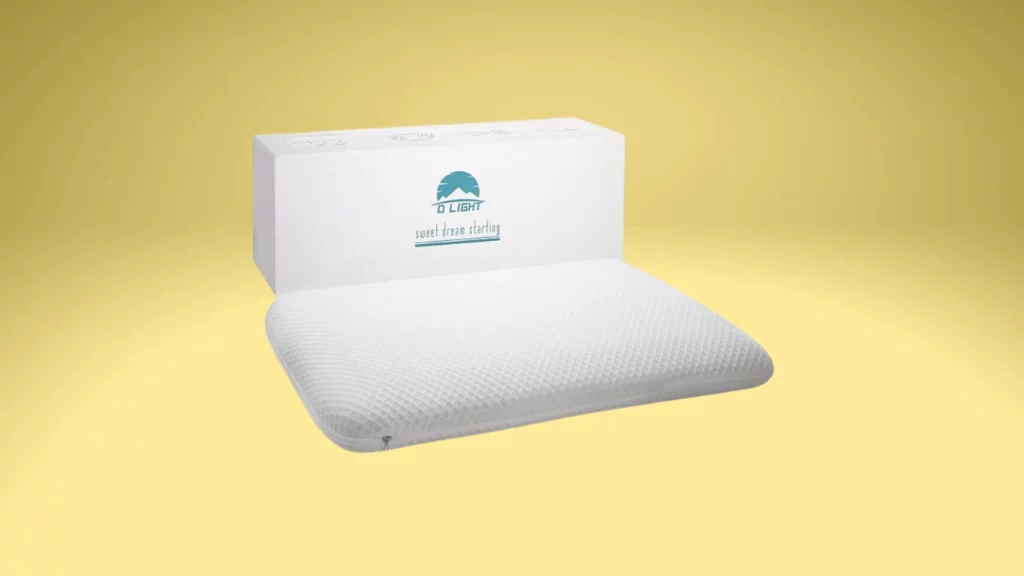
The DLIGHT sits at 3.2 inches, a useful middle ground for people with broader shoulders who find ultra-thin pillows uncomfortable when they briefly roll sideways. High-density gel foam spreads head weight evenly to reduce pressure buildup at the jaw and ears. The dual-sided cover lets you choose between cooling fabric and soft rayon depending on the season.
Why We Picked It:
Medium loft and dual-sided cover offer the best versatility for stomach sleepers who occasionally shift position.
Pros:
3.2-inch balanced loft; OEKO-TEX certified; dual-sided cover; even pressure distribution; medium-soft feel.
Cons:
Slightly tall for very petite sleepers; slower rebound than latex; can hold odors if not aired out.
7. vamorry Lumbar Support Pillow: Best Stomach Sleeper Pelvis Pillow
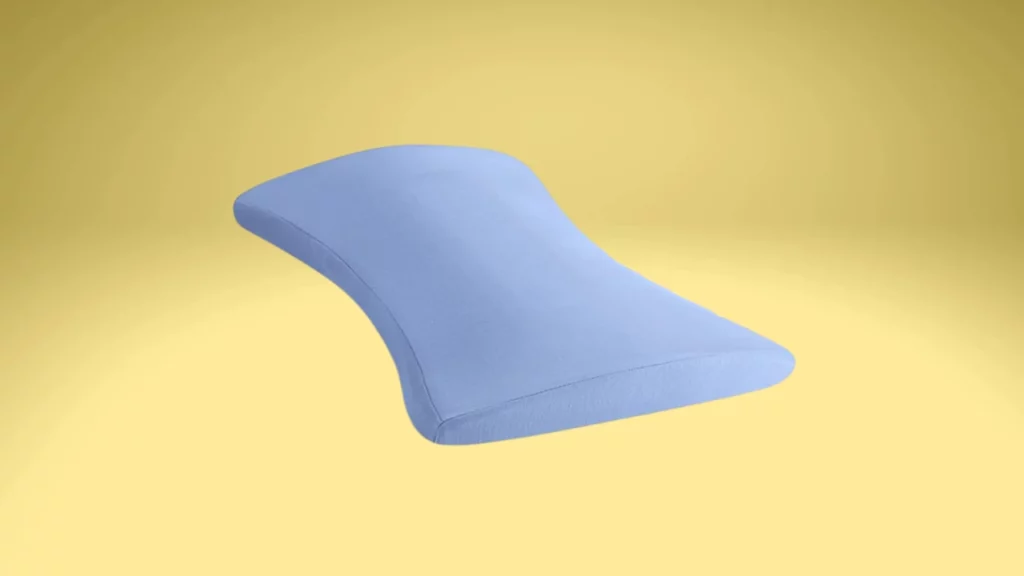
This is not a head pillow. The vamorry is a 2.1-inch memory foam wedge placed under the hips to lift the pelvis and flatten the lower back curve that forms during stomach sleeping. Anyone dealing with lower back pain upon waking who has already optimized their head pillow should address the hip-sinking problem separately. The same principle applies to tummy sleeper vs side sleeper pillow comparisons where lumbar positioning is often the overlooked variable.
Why We Picked It:
Addresses the lumbar hyperextension issue that no head pillow can fix, making it essential for stomach sleepers with lower back pain.
Pros:
Corrects pelvic drop; high-density foam handles torso weight; multi-use; breathable cover.
Cons:
Not a head pillow; needs repositioning if you roll over; foam core cannot be washed.
8. MOONYOOY Ergonomic Rest Pillow: Best for Prone Reading and Massage
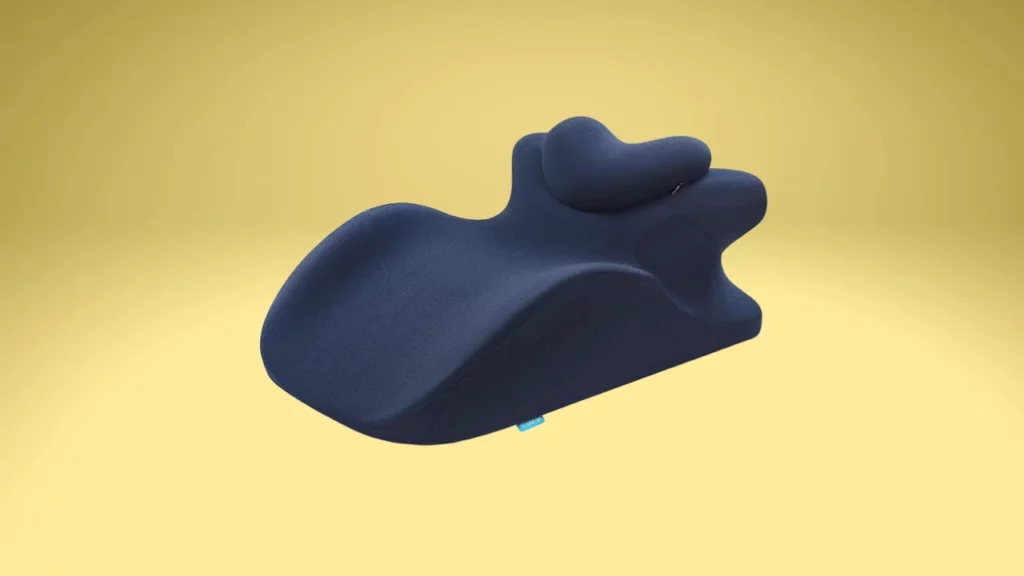
The MOONYOOY is a prone positioning wedge, not a sleeping pillow. It elevates the chest so you can lie face-down for extended reading, phone use, or massage without compressing the lungs or straining the shoulders. The angled design takes weight off the elbows while keeping the neck in a reasonable position. Useful for leisure use, post-surgery recovery, or at-home massage sessions.
Why We Picked It:
Solves the specific problem of sustained prone positioning for activities other than sleeping, where a flat mattress creates shoulder and neck fatigue.
Pros:
Relieves shoulder strain in prone position; firm structural foam; ergonomic zones for breathing; machine-washable cover.
Cons:
Too thick for overnight sleeping; rigid for lightweight users; large footprint on bed.
9. Purple Harmony Pillow: Best for Luxury Latex Airflow
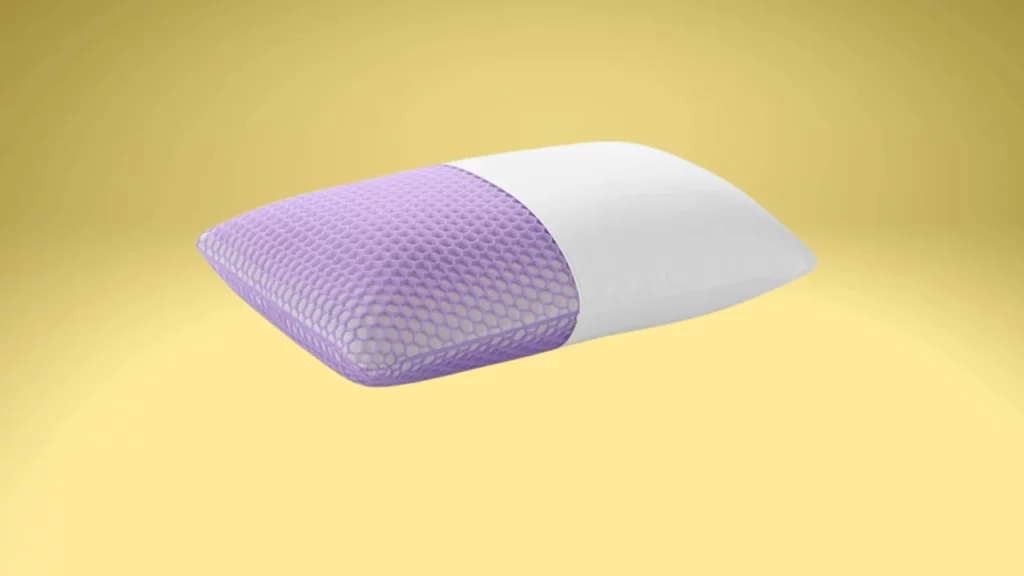
The Purple Harmony uses a Talalay latex core surrounded by the GelFlex polymer grid, a combination that responds instantly to head pressure without the heat retention that memory foam creates. The low option at 5.5 inches compresses smoothly under the head, and the open-grid construction allows continuous air movement. It is the best thermal performance option in this comparison, at a significantly higher price point.
Why We Picked It:
Unmatched airflow through the grid structure makes it the top pick for stomach sleepers who overheat on foam.
Pros:
Instant pressure response; constant airflow through GelFlex grid; durable latex core; moisture-wicking cover.
Cons:
Highest price in this roundup; 5.5-inch starting height may still be tall for strict flat sleepers; noticeably heavier than fiber options.
10. Tempur-Pedic TEMPUR-Cloud Pillow: Best for Cloud-Like Sinking Relief
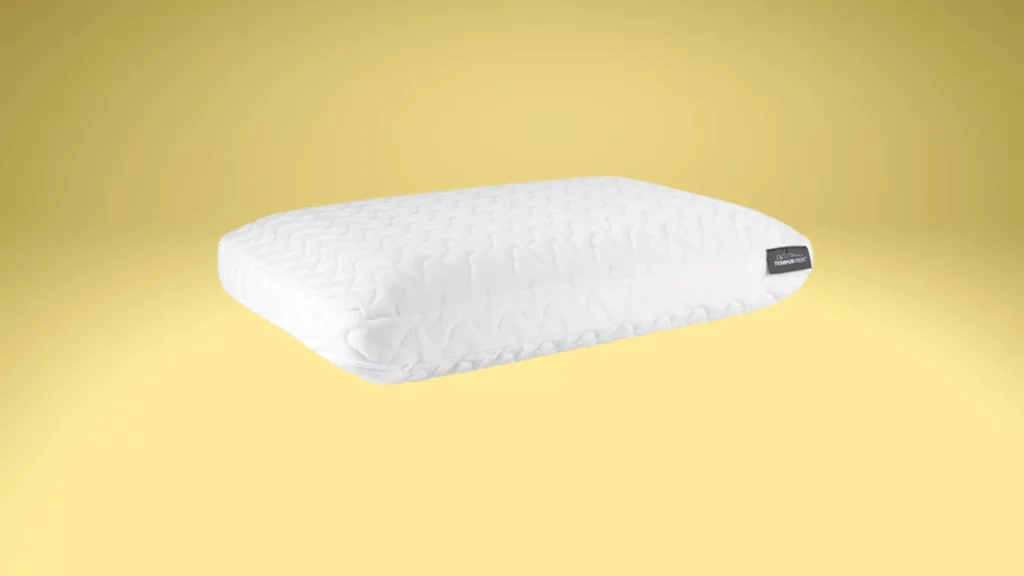
The Tempur material compresses deeply under the head despite a five-inch starting loft, creating a custom cradle that distributes pressure across the face rather than concentrating it at a single contact point. For stomach sleepers who also deal with ear cartilage pain from sleeping face-down on firm surfaces, this even pressure distribution is directly relevant. Heat retention is the main trade-off.
Why We Picked It:
Deep conforming pressure distribution makes it the best option for stomach sleepers dealing with focal pressure pain on the face or ears.
Pros:
Deep conforming sinkage; eliminates focal pressure points; standard rectangular shape; hypoallergenic cover; long-lasting.
Cons:
Retains body heat significantly; slow response makes position switching harder.
Buying Guide: How to Select the Best Pillow for Tummy Sleepers
Loft is the primary variable, but material behavior under pressure matters as much as the starting height. A five-inch pillow that compresses deeply can outperform a three-inch pillow that holds its shape. Breathability is the second major factor because face-down sleeping traps exhaled air in the pillow surface. Beyond that, whether you also roll onto your side will determine whether you need a single-zone flat pillow or a contoured design with shoulder clearance.
Factor | What to Prioritize |
Loft under compression | Aim for under 3 inches under real head weight, not just the stated starting height |
Material breathability | Gel foam, ventilation holes, or open-cell latex prevent heat and CO2 buildup under the face |
Mattress firmness | Softer mattresses require an even flatter pillow since the chest already sinks lower |
Hip support | A thin wedge under the hips addresses the separate lumbar problem stomach sleeping creates |
Combination sleeping | Contoured pillows with shoulder zones accommodate mixed stomach and side sleeping |
Cover hygiene | Stomach sleepers transfer more saliva and facial oils; a washable, removable cover is important |
Hypoallergenic materials | Face and nose are in direct contact for hours; CertiPUR-US or OEKO-TEX certified foams reduce off-gassing risk |
Trial period | Adjusting to a lower loft takes time; 30 to 60 night trials allow the neck to adapt before you commit |
Frequently Asked Questions
Is sleeping on your stomach bad for you?
Sleeping on your stomach places mechanical stress on both ends of your spine. It forces the neck to rotate heavily to one side to breathe, and it allows the heavy midsection to sink, causing hyperextension in the lumbar spine. While it can reduce snoring, it is generally considered the most physically demanding sleep position for joint health.
Do I need a pillow if I sleep on my stomach?
From a purely orthopedic standpoint, sleeping without a head pillow is often the best choice for stomach sleepers, as it keeps the cervical spine perfectly flat. However, resting your face directly on a mattress is uncomfortable. Using a highly compressible, ultra-thin pillow provides the necessary facial cushioning without disrupting your neutral alignment.
What is the best type of pillow for stomach sleepers?
The best type of pillow for this posture is one with a very low profile, typically measuring between two and three inches in loft. Solid, low-density memory foam or highly compressible shredded foam are excellent choices because they provide a stable surface for the head without lifting the neck into an unnatural angle.
Should I use a stomach sleeper hip pillow?
Placing a thin pillow beneath your pelvis is highly recommended if you sleep on your stomach. This targeted lift prevents your hips from sinking too deeply into the mattress. By elevating the pelvis, you flatten out the lower back, instantly relieving the pressure on your lumbar discs and surrounding muscles.
Can tummy sleeping cause lower back pain?
Tummy sleeping is a primary contributor to chronic lower back pain. Gravity pulls your abdomen down into the mattress, which severely arches your lower spine backwards. This continuous hyperextension compresses the facet joints and spinal discs, leading to stiffness, muscle spasms, and localized pain upon waking.
Conclusion
Correcting the mechanical flaws of tummy sleeping requires strategic intervention with your bedding. Standard fluffy pillows force your neck into painful angles for hours at a time, leading to chronic stiffness and joint wear. By transitioning to a low-loft and highly breathable pillow, you can protect your cervical spine and regulate your body temperature. If you are ready to upgrade your sleep hygiene, here are my top three clinical recommendations.
Best Overall: The BLISSBURY Stomach Sleeping Pillow offers the perfect 2.6-inch loft combined with premium ventilated memory foam.
Best Runner Up: The Bluewave Bedding Ultra Slim provides exceptional thermal regulation with its gel-infused foam and ultra-low 2.75-inch profile.
Best Budget: The Utopia Bedding Down Alternative compresses deeply to prevent neck extension while offering excellent value for money.

- Best Heating Pads for Back Pain: Electric, Cordless, or Microwavable? - October 9, 2026
- How Do Air Purifiers Work? Inside the Filtration Process - October 9, 2026
- How to Use a Massage Gun: A Safe Guide for Beginners - October 7, 2026