Air Purifier vs Humidifier for Sinus Problems: Which is Better?
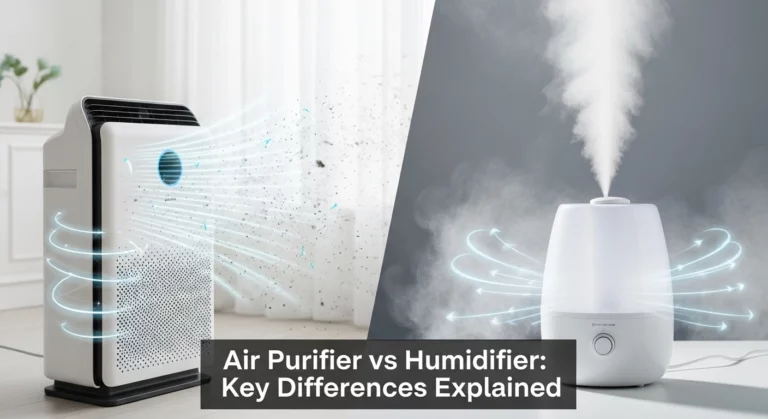
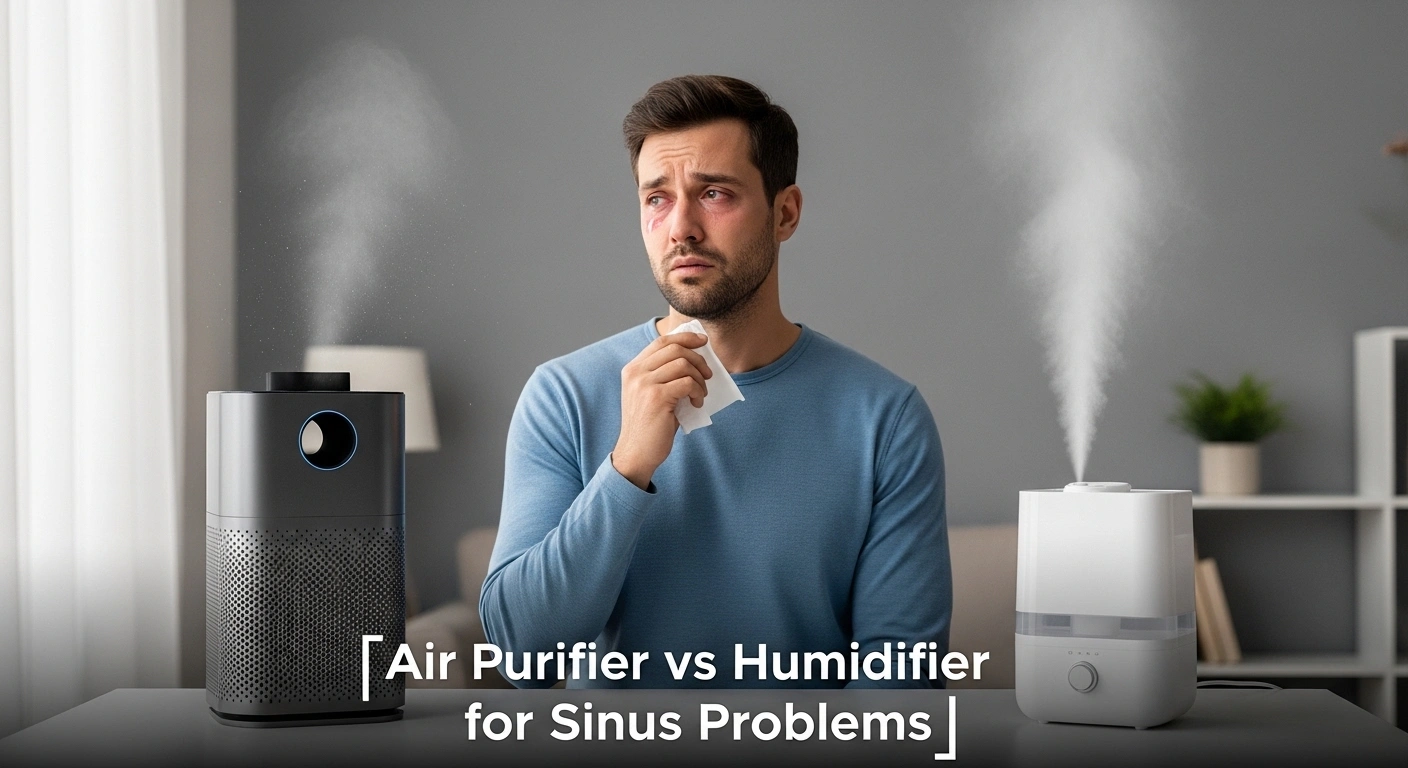
Waking up with a blocked nose feels absolutely terrible. Your head throbs heavily, and you struggle to take a simple breath. You might stare at your ceiling and wonder how to fix this daily misery. People constantly debate the value of an air purifier vs humidifier for sinus problems. The direct answer depends entirely on your specific biological trigger. If airborne particles like dust or pollen cause your pain, an air purifier is better. If dry indoor air irritates your sensitive nasal passages, a humidifier is the better choice. Let us explore exactly how these two different machines heal your respiratory tract safely.
Understanding Your Specific Sinus Pain
You cannot solve a medical problem without finding the root biological cause first. Your body uses physical pain to communicate that something is terribly wrong with your environment.
The Role of Mucous Membranes
Your sinus cavities are essentially hollow air spaces located behind your forehead and cheeks. These hidden spaces are lined with very delicate, soft pink mucous membranes. These membranes produce sticky mucus to trap dirt and dangerous bacteria constantly. This fascinating biological system protects your fragile lungs from outside microscopic invaders. It is your first line of daily physical defense.
How Inflammation Blocks Your Nose
Sometimes, this protective immune system completely overreacts to your normal indoor environment. This physical overreaction causes massive inflammation and highly painful swelling in your face. The swollen tissues block your narrow nasal passages completely. You literally cannot pull fresh oxygen through your nose. This trapped fluid creates a heavy buildup of painful physical pressure instantly.
Tracking Your Daily Physical Symptoms
To pick the right machine, you must play the role of a medical detective. You need to observe your physical body carefully throughout the entire day. Do your itchy eyes water constantly when you sweep the living room floor? Does your nose feel like dry sandpaper during the freezing winter months? Your physical symptoms will easily point you toward the correct home appliance.
How Dry Air Ruins Your Respiratory Tract
Cold weather brings a very specific type of respiratory misery into your quiet home. Your body requires steady environmental moisture to function normally.
The Impact of Winter Heating Systems
When the temperature drops outside, the atmosphere loses its natural ability to hold moisture. You then turn on your central heating system to stay comfortably warm inside. This artificial heat strips even more moisture from your indoor air quickly. You are left breathing an incredibly harsh, bone-dry atmosphere all day long. This invisible dryness attacks your body very aggressively.
Waking Up With a Dry Throat
Breathing this bone-dry air damages your sensitive nasal passages almost instantly. Your mucous membranes dry out and physically crack under the severe environmental stress. Your body panics and tries to fix the extreme dryness by producing extra thick mucus. This thick mucus cannot drain properly and becomes permanently trapped inside your head. This is a very common cause of severe morning headaches.
Why Eczema Appears During Winter
Dry air does not just hurt your nose and throat. It heavily damages your sensitive outer skin barrier as well. This severe lack of moisture frequently triggers painful eczema patches on your arms and legs. You might accidentally scratch your dry skin until it bleeds during the night. Your body desperately needs physical water returned to the air.
The Healing Power of a Good Humidifier
A household humidifier literally adds physical water directly into your surrounding air. This extra moisture soothes your cracked, irritated nasal passages beautifully and naturally.
Adding Moisture Back to Your Room
The damp air thins out the trapped mucus inside your heavy head safely. This allows the heavy fluid to drain naturally down the back of your throat. You will finally experience sweet relief from that agonizing facial pressure. Medical experts like Dr. Brian Greenberg heavily recommend keeping indoor humidity between forty and fifty percent. This specific moisture range keeps your respiratory tract functioning perfectly.
Cool Mist Humidifier Benefits
A cool mist humidifier uses a rapidly vibrating metal plate to create moisture. This high-speed vibration breaks heavy water drops into a fine, invisible mist. These specific machines offer several fantastic health benefits for your tired body:
- They safely add physical moisture without using dangerous internal heating elements.
- They are completely safe to leave running near curious small pets.
- They consume very little electricity during continuous daily operation.
- They soothe dry, cracked lips effectively during the harsh winter.
Warm Mist Humidifier Advantages
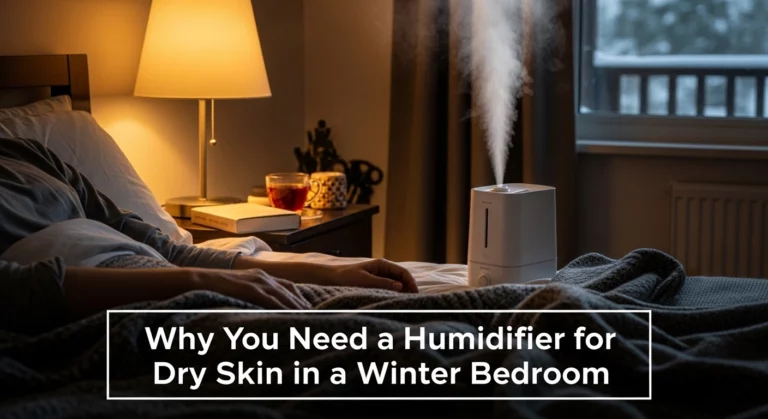
A warm mist humidifier actually boils the internal water to release pure steam. The machine pushes this incredibly warm vapor directly into your cold bedroom. Warm mist models are incredibly soothing when you suffer from a severe winter cold. The heated steam relaxes your chest muscles and stops painful coughing fits. You can explore this topic further in our guide on why you need a humidifier for dry skin in a winter bedroom.
When Invisible Airborne Allergens Attack
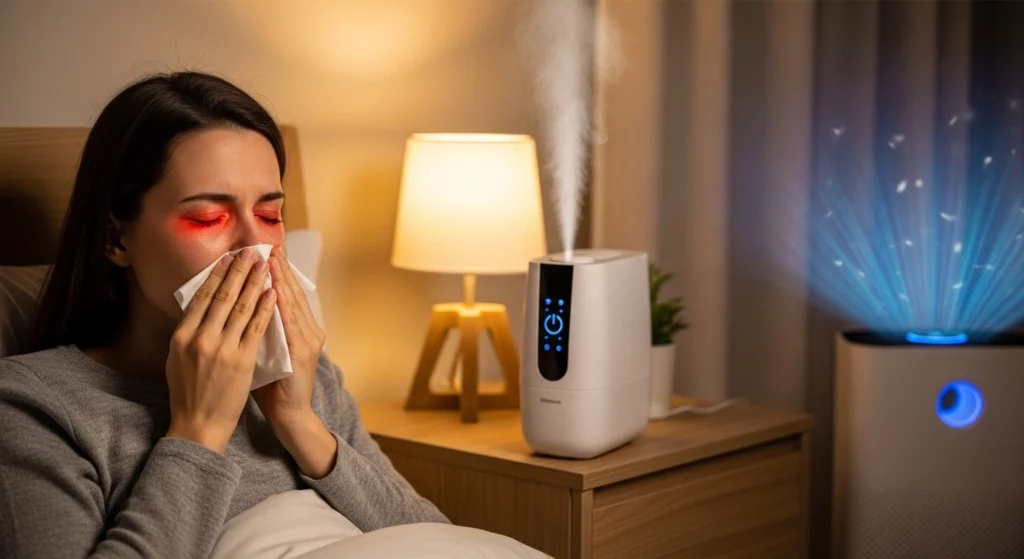
Sometimes, the air in your home holds plenty of moisture but remains highly toxic. You might be breathing in invisible triggers that ruin your daily peace.
Fighting Annoying Dust Mites
Indoor allergies are a massive trigger for chronic sinus inflammation. When you breathe in microscopic dust mites, your body attacks them aggressively. Your immune system releases a heavy flood of chemicals into your blood. These specific chemicals cause your nasal passages to swell up and block your airflow completely. This biological defense mechanism makes you feel incredibly sick.
Surviving Heavy Pollen Allergies
Spring weather brings beautiful blooming flowers and highly annoying pollen allergies. These tiny yellow particles blow through your open windows and settle on your furniture. You will likely experience the following physical symptoms during a heavy allergy season:
- Constant, aggressive sneezing fits that ruin your daily focus.
- Red, itchy eyes that water painfully all day long.
- A deeply congested, continuously runny nose.
- Severe physical fatigue and incredibly low physical energy.
Managing Pet-Dander-Related Allergies
We all love our fluffy cats and loyal dogs dearly. However, pet-dander-related allergies absolutely ruin the air quality inside small, closed apartments. These tiny skin flakes float invisibly in the air for many hours. They eventually settle on your floor and trigger severe asthma attacks. You cannot escape this dander without using a specialized cleaning machine.
Why You Need a HEPA Air Purifier
You cannot fix an allergic reaction by adding more physical water to the room. You must actively clean your breathing environment to find true relief.
Catching Microscopic Airborne Particles
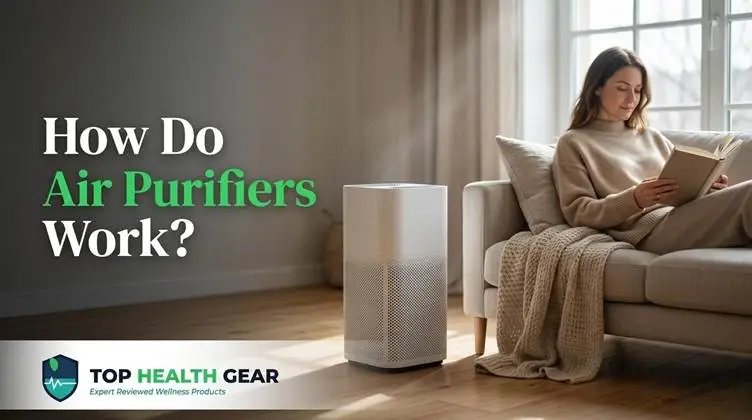
You must physically remove the dangerous environmental allergies from your breathing space entirely. This is exactly where a high-quality indoor air purifier truly shines. An air purifier uses a strong internal fan to pull dirty air into a trap. It essentially vacuums the invisible dirt right out of your quiet bedroom.
Easing Severe Asthma Symptoms
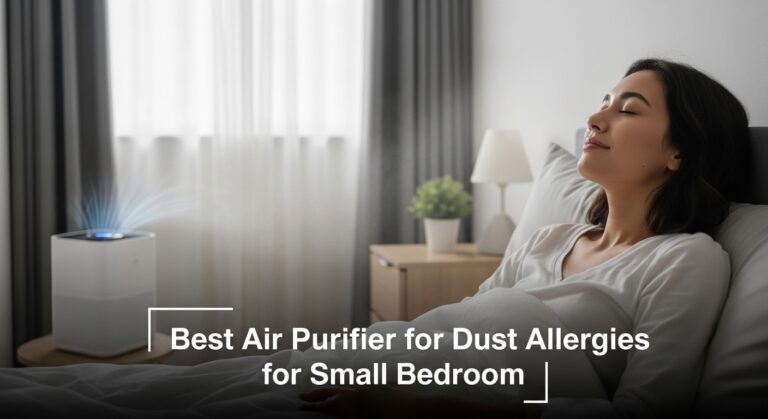
The best models rely on a certified HEPA filter to catch floating debris. This thick paper filter physically captures microscopic particles quickly and safely. If you suffer from severe asthma symptoms, HEPA air purifiers are an absolute necessity. You can review the best air purifier for dust allergies bedroom small room picks we tested recently. They effectively trap annoying pollen and gross dust mites permanently.
Clearing Heavy Cooking Smoke
Air purifiers offer fantastic secondary benefits beyond just stopping your daily sneezing fits. Many high-end models include a thick layer of activated carbon inside the main filter. This black carbon layer actively absorbs dangerous chemical gases and heavy cooking smoke easily. You can read our detailed article explaining do air purifiers help with cooking smells for more information.
Maintaining Your Air Quality Machines Safely
Buying a machine is only the first step toward achieving perfect indoor air. You must actively maintain these devices to protect your physical health safely.
Stopping Dangerous Mold Growth
Adding a humidifier to your home introduces a very serious hidden danger. Warm, standing water is the perfect breeding ground for dangerous bacteria and dark mold growth. You must empty the plastic water tank completely every single morning. Breathing in dark mold spores will trigger a massive, painful asthma attack quickly. You must wash the plastic tank with white vinegar weekly.
Replacing Your Dry HEPA Filter
An air purifier is much easier to maintain on a regular daily basis. However, you must remember to replace the internal filters on a strict schedule. A dirty, clogged HEPA filter completely stops the machine from working properly. Most manufacturers recommend changing the main paper filter every six to eight months. You will notice a thick layer of gray dust coating the surface.
Budgeting for Ongoing Maintenance Costs
You must budget carefully when improving your indoor air quality. Personal finance sites like Bankrate and MoneyGeek often warn about the hidden costs of appliances. Furthermore, websites like NextAdvisor and The Simple Dollar remind consumers to calculate long-term maintenance costs. You must factor these recurring filter replacement expenses into your monthly household budget safely.
Expert Advice on Indoor Air Quality
Medical experts and technology reviewers constantly test these specific appliances. Their professional opinions provide valuable guidance for confused daily consumers.
Certifications for Allergy Relief
Health researchers strongly emphasize looking for the Asthma & Allergy Friendly certification mark. This specific label means the appliance passed strict medical testing standards successfully. You should always trust certified devices over cheap, unbranded machines. Stock photography sites like Getty Images and EyeEm always show perfectly clean, modern homes. Achieving that visual perfection requires buying truly certified, high-quality hardware.
Medical Opinions on Sinus Health
Leading medical professionals often weigh in on this great appliance debate. Dr. Purvi Parikh is a prominent voice from the Allergy and Asthma Network. She notes that patients often confuse their allergy symptoms with a simple dry nose. She advises tracking your physical symptoms closely before buying any expensive machine. Knowing your exact trigger prevents you from wasting your hard-earned money.
Media Reviews on Sleep Quality
Medical writers like Laura Leavitt often review these machines for major publications. She writes incredibly detailed appliance reviews for sites like CNET and Business Insider. They consistently praise HEPA air purifiers for improving overall sleep quality significantly. Health blogs like 1MD Nutrition also highlight the strong link between clean air and immunity. Even your local PT will gladly confirm that breathing clean air improves your physical workouts.
Frequently Asked Questions
Can a cheap air purifier dry out my sinuses?
No, a standard air purifier does not remove physical water from your indoor air. It simply pushes the existing air through a completely dry paper filter. It will not dry out your throat or your delicate mucous membranes.
What kind of water should I use in my bedroom humidifier?
You should always use pure distilled water in your bedroom humidifier. Standard tap water contains heavy white minerals that create a fine white dust. This annoying mineral dust will eventually settle on all your bedroom furniture quickly.
Does an air purifier actually help with a winter cold?
An air purifier will not cure your current viral infection or winter cold. However, it removes annoying dust that might easily trigger extra coughing fits. A warm mist humidifier is generally much better for soothing a painful chest cold.
How do I know if my indoor air is too dry?
You will physically feel the intense dryness in your sensitive body first. Your lips will crack, and your eyes will feel scratchy and very tired. You might also notice annoying static electricity shocks when you touch metal doorknobs.
Can I leave my air purifier running all day safely?
Yes, you can and absolutely should leave your HEPA air purifier running continuously. These specific machines use very little electricity on their lowest quiet fan settings. Running them constantly is the only proven way to keep your indoor air perfectly clean.
Final Takeaways
Choosing between an air purifier and a humidifier does not have to be a stressful decision. You simply need to listen to your physical body and identify your exact environmental triggers carefully. If you suffer from dust, pet dander, or pollen allergies, you absolutely need a HEPA air purifier. If you wake up with a dry, bleeding nose in winter, you desperately need a cool mist humidifier.
Never use normal tap water in a humidifier to avoid breathing messy white mineral dust. You must clean your humidifier tank daily to prevent highly dangerous indoor mold growth completely. Always replace your air purifier filters every six months to maintain maximum internal cleaning power.
Your daily sinus pain is a clear warning signal from your exhausted, overworked immune system. Take direct action today to improve your indoor environment and breathe comfortably again. You truly deserve to wake up feeling fully rested and completely free of facial pressure.

- Best Heating Pads for Back Pain: Electric, Cordless, or Microwavable? - October 9, 2026
- How Do Air Purifiers Work? Inside the Filtration Process - October 9, 2026
- How to Use a Massage Gun: A Safe Guide for Beginners - October 7, 2026