Do Posture Correctors Actually Work? The Honest Medical Truth
Living with daily back pain is incredibly exhausting and deeply frustrating. You sit at a desk for hours just trying to survive the workday. Your shoulders naturally start to round forward as you get tired.
Soon, a familiar ache settles deep into your neck muscles. You probably see ads for devices promising a magical fix all over the internet. It is totally normal to wonder if they bring real relief.
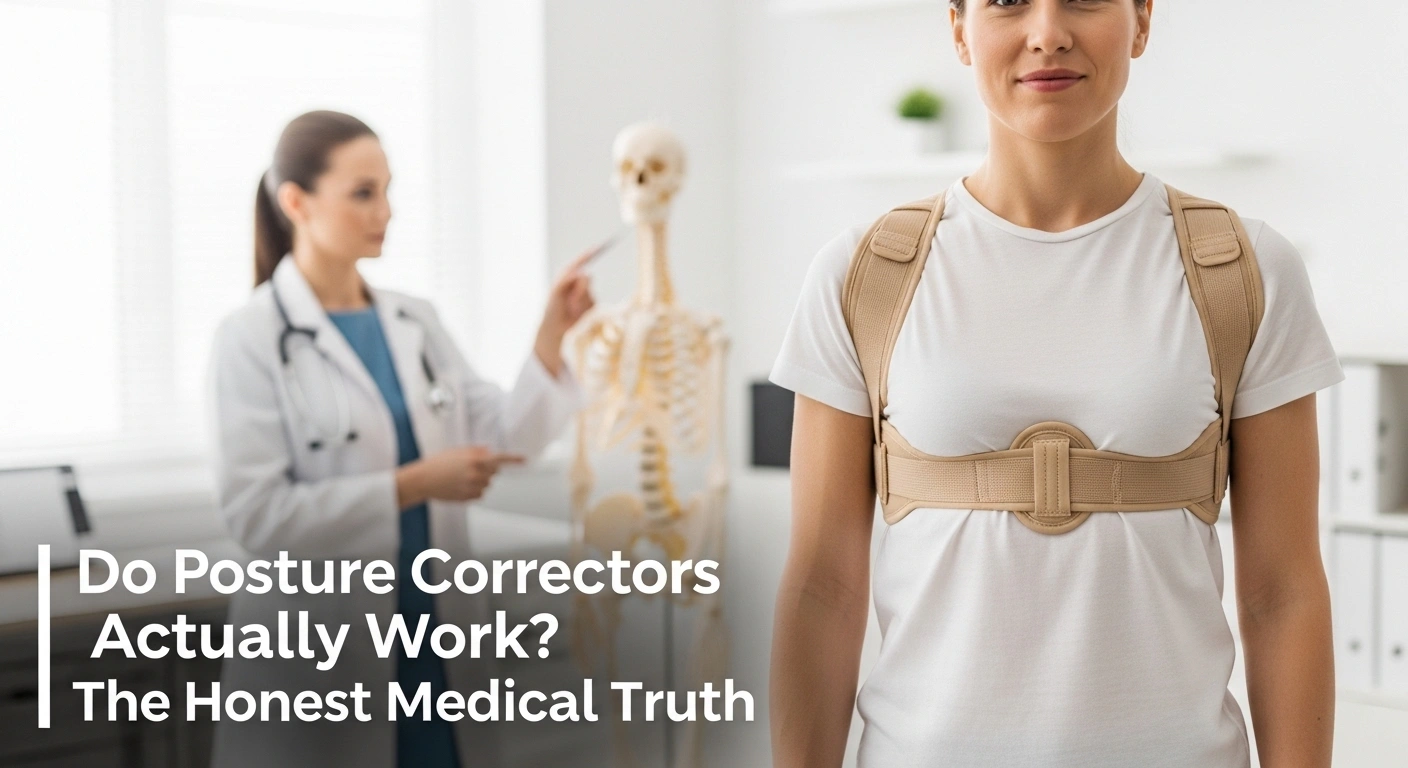
So, do posture correctors actually work? The honest truth is yes, but only as a short-term tool. They physically pull your shoulders back into a better position. This gives you immediate comfort from severe neck strain.
A back brace also increases your physical awareness throughout the day. However, these wearable devices are not a permanent cure for bad habits. If you rely on them all day, your core muscles will weaken rapidly. We want you to find true, lasting healing.
The Mechanics Behind Posture Braces
How Passive Support Functions
A standard posture brace relies heavily on passive support to work. It restricts your body and holds your skeletal positioning in place. You do not have to use your own strength at all.
This lack of effort feels like a massive relief after a hard day. The device acts like a strict but gentle physical teacher. It constantly prompts you to sit up straight and stand tall.
You instantly feel the heavy burden lift from your tired spine. It is a highly comforting sensation for anyone in physical pain. You might find yourself reaching for it every single afternoon.
The brace completely takes over the job of your back muscles. It provides a firm structure for your torso to lean against. This temporary relief can truly feel like a medical miracle.
Building Initial Posture Awareness
Many people suffer from severe postural dysfunction without even realizing it. We just get lost in our daily routines and forget our bodies. A back straightener device brings sudden awareness to your physical form.
You instantly notice the exact moment you begin slouching at your desk. This proprioceptive feedback is highly beneficial during your first few weeks. You finally begin to understand what proper alignment actually feels like.
This new awareness is the very first step toward healing your body. You cannot fix a bad habit if you do not notice it happening. Many workers spend years hunched over keyboards without realizing the damage.
The posture strap acts as an early warning system for your body. The slight tug on your shoulders reminds you to reset your position. This mental training connects your brain back to your neglected body.
Why Spinal Alignment Brings Relief
Poor posture places unnatural stress on your upper back muscles. It forces your muscles to work in ways they were never designed for. A high-quality back corrector actively shifts this heavy load.
It temporarily restores your natural spinal alignment to a healthy position. This reduces the crushing pressure on your neck and shoulders immediately. You will likely feel a noticeable decrease in pain almost instantly.
Your lungs also get much more room to expand properly. Breathing becomes easier when your chest is no longer collapsed inward. A straighter spine also improves healthy blood flow to your tired muscles.
The constant headaches associated with tech neck often begin to fade. You suddenly realize how much unnecessary physical stress you were carrying. This immediate comfort is exactly why these orthopedic devices are so popular.
The Hidden Dangers of Muscle Dependency
How Overuse Weakens Your Core
This is the absolute biggest risk of wearing a back support brace constantly. Your body is highly intelligent and adapts quickly to its environment. Your muscles learn to rely heavily on the external stabilization.
They figure out they no longer have to do the hard work. Over time, your deep core muscles actually lose their natural strength. This rapid muscle deterioration makes your natural posture even worse than before.
You end up trapped in a vicious cycle of pain and physical dependency. Without regular use, your core muscles literally begin to shrink. When you finally take the brace off, you feel much weaker.
You might find yourself slouching even worse than when you first started. You must protect your natural bodily strength at all costs. Never sacrifice your internal muscle tone for a quick external fix.
The Trap of Artificial Stabilization
Artificial stabilization feels like a brilliant magic trick at first glance. You get the appearance of perfect posture with zero physical effort. But your complex musculoskeletal system requires constant engagement to stay healthy.
When the wearable device does the heavy lifting, things go wrong. Your front chest muscles tighten up severely over time. Your upper back muscles become lazy, weak, and highly unresponsive.
You are essentially putting your supporting muscles to sleep permanently. Waking them back up requires a lot of hard physical work. Artificial stabilization tricks your brain into thinking the problem is solved.
You stop thinking about your posture because the brace does it. This creates a deeply dangerous false sense of physical security. True spinal health requires you to be actively involved in your posture.
Creating a Safe Usage Schedule
You must absolutely avoid wearing these corrective devices from morning until night. Orthopedic specialists strongly recommend very short bursts of daily use. Limit your bracing sessions to twenty or thirty minutes at a time.
This keeps your muscles active while still providing gentle guidance. Here is a highly effective schedule you can easily follow:
- Wear the brace for twenty minutes during your morning emails.
- Take it off and use your own muscles until lunchtime.
- Put it back on for a brief afternoon physical reset.
Use the brace to actively train your brain and posture habits. Then take the device off and let your body support itself naturally. The goal is to use it as a training tool. Always listen to your body and remove the brace if soreness occurs.
Proven Alternatives for Long-Term Healing
Engaging in Targeted Physical Therapy

Physical therapy provides a truly lasting solution to your chronic pain. Highly trained therapists recommend specific exercises to fix deep muscle imbalance. You learn exactly how to activate your sleeping core muscles properly.
This builds the vital internal strength you desperately need. It is far more effective than relying on a passive training device. You learn how to move your body correctly without any artificial help.
This active approach protects your delicate spine for years to come. A professional physical therapist can thoroughly evaluate your specific bodily needs. They will design a fitness routine that targets your exact weak points.
You might need to focus heavily on your lower lumbar region. Or perhaps your upper back requires the most immediate medical attention. Personalized medical care always beats a generic wearable product.
Upgrading Your Daily Workstation
Your daily environment plays a massive role in your physical health. A terrible office chair will literally force you to slouch forward. You simply cannot fight against bad office furniture all day long.
You really should consider investing in a highly supportive setup. Upgrading to one of the best ergonomic chairs does half the work of maintaining good posture. You also need to closely look at the height of your desk.
A desk that is too low forces you to hunch over constantly. A desk that is too high causes severe shoulder and neck shrugging. Creating a perfect ergonomic setup takes a little bit of extra time.
But the long-term payoff for your spinal health is massive. Your back will thank you for providing the right structural support daily. You will notice a huge difference in your daily energy levels.
Implementing Daily Stretching Routines
You absolutely must stretch your tight chest muscles on a regular basis. Long hours of desk sitting pull your entire body forward uncomfortably. Simple disciplines like daily yoga and pilates are excellent choices for recovery.
They gently improve your overall flexibility and long-term spinal health. A basic doorway stretch can reverse hours of damaging desk sitting. Make stretching a strict part of your new daily routine.
Ten minutes of stretching a day can completely change how you feel. You do not need any expensive gym equipment to get started. Simple floor exercises can open up your tight chest and shoulders beautifully.
Try lying on your back with a rolled towel under your spine. This gentle stretch reverses the forward hunching we all do daily. Consistency is the real secret to making these stretches actually work.
Everyday Solutions to Prevent Slouching
The Importance of Movement Breaks
A rigid routine slowly destroys your body over a long time. You simply cannot sit in one single position for eight hours straight. Human bodies are beautifully built for constant motion and daily activity.
You must force yourself to take frequent movement breaks. You can easily experience the real health benefits of a standing desk by alternating your stance. Changing your working position keeps your muscles engaged and blood flowing freely.
Set a loud timer on your phone to ring every single hour. When it goes off, stand up and walk around the room briefly. Grab a glass of fresh water or just stretch your arms up high.
These short micro-breaks prevent your muscles from locking up into painful patterns. Your body thrives on movement, so give it what it craves. You will feel much less stiff by the end of the day.
Adjusting Your Viewing Angles
Constantly looking down at a screen causes severe chronic neck strain. Your primary monitor must sit directly at your natural eye level always. This one simple physical change prevents forward head posture completely naturally.
If you work primarily on a laptop, fixing this angle is urgent. A simple addition like using basic laptop stands forces you to keep your chin up. You should also pay close attention to your daily mobile phone habits.
Looking down at your phone puts immense weight on your delicate neck. Bring the phone up to your face instead of bending your neck down. This simple habit change can eliminate hours of daily postural strain.
Protect your cervical spine by being mindful of where you look. Small physical adjustments to your daily routine save you from serious pain later.
Activating Your Core While Sitting
You can actually train your supporting muscles while sitting at your desk. It just takes a little bit of conscious mental effort initially. Small daily changes add up to incredible physical relief over time.
Here is exactly how you can practice active sitting today:
- Sit right near the very front edge of your office seat.
- Keep both of your feet planted firmly and flatly on the floor.
- Engage your stomach muscles lightly as if bracing for a cough.
This active sitting posture prevents the familiar hunchback look from forming completely. It turns a passive activity into a light workout for your core. Small, active physical choices throughout your workday make a massive difference overall.
FAQs
Are posture correctors safe to use every single day?
Yes, they are completely safe if you use them in strict moderation. Never wear orthopedic back support for more than an hour a day.
Can a back brace fix a severe hunchback permanently?
No, a brace alone cannot fix a hunchback condition on its own. You need targeted strength training and corrective exercise science for permanent results.
Do medical physical therapists recommend posture trainers?
Some therapists recommend them strictly for building temporary body awareness. However, they always prioritize active muscle engagement over passive wearable support.
Are posture correctors visible under regular clothing?
Most modern posture devices are thin and fit discreetly under loose clothing. However, tight shirts will easily show the straps of a wearable posture trainer.
Can a posture corrector help with lower back pain?
Most standard correctors focus strictly on the upper back and shoulder alignment. You will need a specific lumbar support belt for lower back issues.
Final Takeaways
Dealing with constant back and neck pain is a deeply heavy burden. We know you just want to feel normal and healthy again. Posture correctors offer a really nice sigh of temporary relief. They are fantastic for teaching your body what good alignment actually feels like.
However, you must treat them as a temporary training tool. Relying on them too much will only weaken your muscles much further. Real healing comes from strengthening your core and changing your daily habits. Upgrade your workspace, take frequent breaks, and stay physically active.
You have the power to fix your posture naturally over time. Be very patient with your body as it relearns how to stand correctly. It took years to develop bad posture, so recovery will naturally take time. Trust in your own strong muscles to do the hard work for you.

- Best Pillows for Ear Cartilage Pain to Make Side Sleeping More Comfortable - October 22, 2026
- How to Release a Shoulder Knot: 7 Simple Fixes That Work - October 22, 2026
- Best TENS Unit for Back Pain: The Right Pick for Your Pain, Budget, and Routine - October 20, 2026