Top 3 Best Blood Pressure Monitor for Home Accuracy Test Picks Tested for 2026
Silent hypertension physically damages your delicate blood vessels every single day. High arterial tension forces your heart muscle to work incredibly hard without rest. This constant mechanical strain eventually causes severe cardiac tissue damage and dangerous strokes over time. Relying solely on annual doctor visits leaves you completely blind to your daily cardiovascular health. Finding the best blood pressure monitor for home accuracy test usage solves this dangerous problem immediately. A reliable medical device allows you to track dangerous pressure spikes from your living room safely. Let us systematically evaluate the most reliable automated screening tools engineered for patient protection this year.
Our Verdict: What’s the Best Blood Pressure Monitor for Home Accuracy?
Selecting the correct cardiovascular tool requires aligning clinical features with your daily habits. The Sinocare model offers excellent posture detection to prevent testing errors. The ATUDER machine introduces massive internal memory for long-term health tracking. Finally, the Oklar device provides reliable rechargeable power for frequent daily measurements.
Product Name | Key Clinical Feature | Best For | Price |
|---|---|---|---|
1. Sinocare BP Monitor | Posture error detection | Preventing improper arm positioning | |
2. ATUDER BP Machine | 240 internal memory sets | Long-term clinical data tracking | |
3. Oklar Upper Arm Monitor | USB-C rechargeable battery | High-frequency daily testing |
1. Sinocare Blood Pressure Monitor Upper Arm
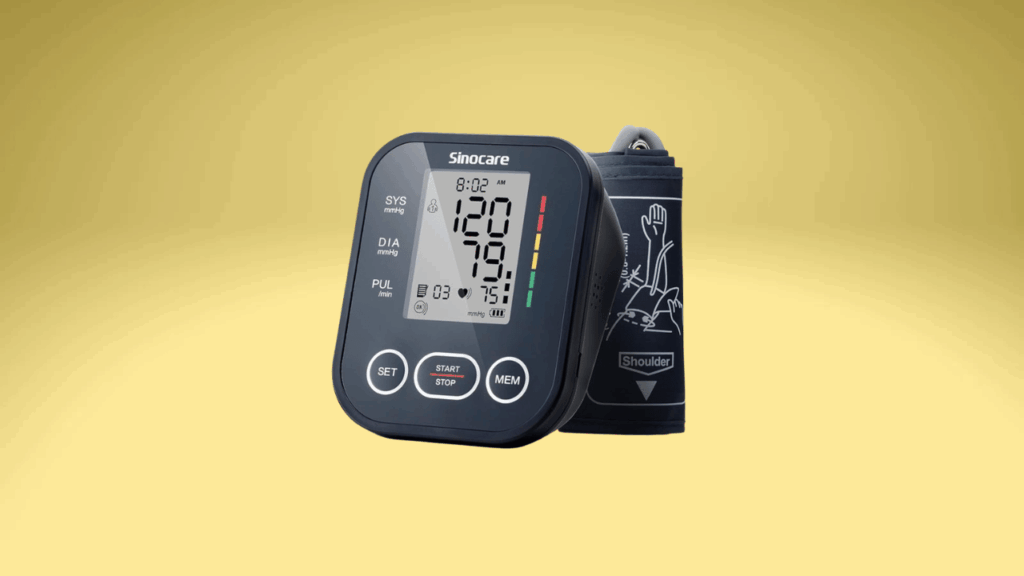
Improper arm positioning ruins the clinical accuracy of your home readings instantly. If your arm sits too low, gravity artificially inflates your final systolic number. The Sinocare blood pressure monitor addresses this specific physical threat using built-in posture detection. The digital screen immediately alerts you if your arm angle is medically incorrect.
This prevents you from recording falsely high numbers that cause severe health anxiety. The machine includes a highly adjustable cuff ranging from 8.6 to 16.5 inches. This wide sizing perfectly accommodates both thin and heavy upper arms safely. The device uses a simple one-button operation for fast, stress-free morning measurements.
The internal computer actively scans for irregular heartbeats during the standard inflation cycle. It flashes a clear warning symbol if it detects a dangerous cardiac arrhythmia. The Sinocare monitor acts as a highly protective medical instrument for sensitive cardiovascular patients.
Pros:
- Active posture detection alerts
- Irregular heartbeat warning system
- Highly adjustable arm cuff
- Simple one-button operation
- Supports two distinct users
Cons:
- Does not include power adapter
- Screen lacks heavy backlighting
- Velcro degrades over time
Why Choose the Sinocare Blood Pressure Monitor
Patients who struggle with proper testing posture should select this exact machine. The active positioning alerts physically prevent you from recording highly inaccurate medical data at home.
2. ATUDER Blood Pressure Monitors for Home Use
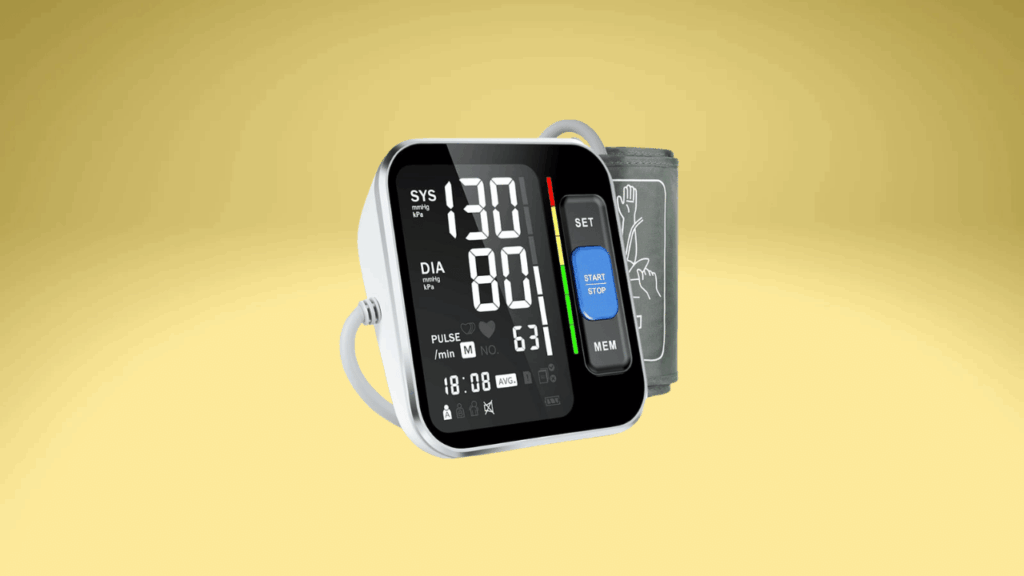
Tracking your cardiovascular trends requires logging dozens of daily readings carefully over time. Writing numbers down on loose paper often leads to lost or highly confused medical data. The ATUDER machine offers a highly practical digital solution through massive internal memory storage. It securely stores up to 240 unique measurement sets directly on the device.
This massive storage capacity supports two different users with 120 readings each. You can easily scroll through your past weeks of data to spot dangerous upward trends. The machine features a brilliant reverse backlight display for extreme visual clarity. The large white numbers glow brightly against the dark digital background perfectly.
This high contrast allows older patients with poor vision to read their results without glasses. The internal air pump inflates the nylon cuff smoothly without causing painful arm pinching. The ATUDER device represents a highly organized clinical tool for tracking your daily medication responses.
Pros:
- Massive 240 reading memory
- High contrast backlight display
- Gentle cuff inflation system
- Includes durable carrying case
- Easy user profile switching
Cons:
- Requires four AAA batteries
- Base unit feels bulky
- Hard to clean cuff fabric
Why Choose the ATUDER Blood Pressure Monitors
You must choose this unit if you closely track your daily pharmaceutical responses. The massive internal memory safely stores months of clinical data to share directly with your cardiologist.
3. Oklar Blood Pressure Monitor Upper Arm
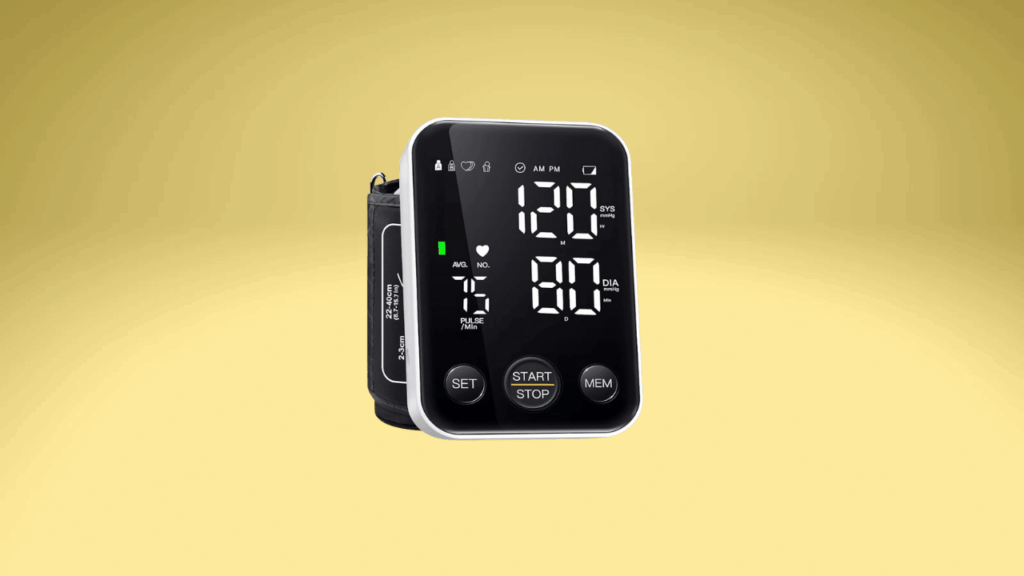
Constantly replacing dead alkaline batteries becomes incredibly frustrating and highly expensive over time. Low battery power actively slows down the internal air pump during inflation. This weak pumping action frequently causes failed readings and annoying mechanical error codes. The Oklar monitor introduces a highly reliable USB-C rechargeable battery to solve this problem entirely.
You can plug the device directly into any standard wall charger for fast power. The machine also accepts three standard AA batteries as a secondary emergency power backup. This dual power system guarantees you can always take your vital readings during travel. The large LED screen provides excellent visibility in completely dark bedrooms at night.
The manufacturer includes a soft storage bag to protect the delicate air hose from dust. The Oklar unit provides unmatched electrical reliability for patients requiring multiple daily cardiovascular measurements.
Pros:
- USB-C rechargeable internal battery
- Emergency AA battery backup
- Large glowing LED display
- Compact travel size design
- Highly accurate inflation pump
Cons:
- Included charging cord is short
- Buttons are highly sensitive
- Cuff material feels stiff
Why Choose the Oklar Blood Pressure Monitor
Select this specific machine to completely eliminate frustrating battery replacements from your routine. The rechargeable power system safely ensures your internal pump always operates at maximum clinical strength.
Extensive Buying Guide: How to Choose a Clinical Monitor
Purchasing diagnostic equipment for your home requires analyzing specific medical parameters deeply. A cheap plastic air pump will break rapidly under the continuous strain of daily inflation. You must evaluate the internal components to ensure your physical safety remains entirely intact. The cardiovascular system is incredibly delicate and responds instantly to poor testing environments. We will explore the exact biological mechanics behind these fascinating medical devices.
Understanding Arterial Compression Mechanics
An automated blood pressure monitor operates on a scientific principle called oscillometry. The nylon cuff wraps tightly around your upper arm and fills with pressurized air. This heavy air pressure completely collapses your brachial artery for a few brief seconds. Your blood flow temporarily stops completely below the tight physical cuff.
The machine then slowly opens a tiny valve to release the trapped air. As the pressure drops, your blood forcefully pushes its way back through the pinched artery. This rushing blood creates a highly specific physical vibration against the nylon cuff. The internal computer measures these exact vibrations to calculate your top and bottom numbers accurately.
The Problem with Wrist Monitors
You might feel tempted to purchase a tiny monitor that wraps around your wrist. Wrist monitors seem highly convenient and very easy to pack for long vacations. However, medical professionals strongly advise against using them for serious diagnostic health tracking.
The blood vessels in your wrist are significantly narrower than your heavy brachial artery. Furthermore, your wrist constantly rests at varying physical distances from your beating heart. This anatomical distance causes extreme mathematical variations in your final daily readings. If you need highly accurate daily metrics, you must stick to standard upper arm equipment. We cover similar accuracy debates in our pulse oximeter accuracy home hospital clinical guide.
Analyzing Proper Cuff Sizing
A highly inaccurate cuff size alters your natural vascular mechanics dangerously. Using a tiny cuff on a heavily muscled arm requires massive over-inflation to stop blood flow. This extreme pressure artificially inflates your final reading, creating false hypertension scares.
Conversely, using a massive cuff on a very thin arm fails to compress the artery properly. You must measure the exact physical circumference of your bare upper bicep using a soft tape. Always select a device offering a cuff range that safely accommodates your specific biological measurements. A properly fitted cuff provides excellent clinical accuracy to protect your delicate emotional health.
The Danger of White Coat Syndrome
Many patients experience severe anxiety the moment they step inside a doctor’s clinical office. The bright lights and white lab coats trigger an immediate biological stress response. Your adrenal glands dump heavy cortisol directly into your rushing bloodstream. This stress hormone actively tightens your blood vessels and spikes your blood pressure massively.
This specific medical phenomenon is commonly called white coat hypertension. A doctor might incorrectly prescribe heavy medication based on this single, artificially elevated clinical reading. Testing your numbers safely inside your calm, quiet living room eliminates this specific anxiety variable entirely. You capture your true resting baseline without the heavy burden of clinical medical stress.
Recognizing Irregular Heartbeats
Your heart should beat in a perfectly steady, highly predictable biological rhythm. Sometimes, the upper chambers of the heart quiver chaotically instead of squeezing properly. This highly dangerous condition is medically known as atrial fibrillation. This chaotic rhythm allows heavy blood to pool and clot inside your delicate cardiac chambers.
Many high-quality home monitors can actually detect these dangerous rhythmic stutters during normal inflation. The screen will flash a special warning icon if the physical vibrations seem mechanically irregular. This early warning system can literally save you from suffering a massive, debilitating stroke. You can explore how smart technology tracks these rhythms in our ecg smartwatch vs medical ecg article.
The Physiology of Cardiovascular Tension
To maximize the biological benefits of your device, you must understand human vascular physiology thoroughly. Your circulatory system is a highly pressurized, completely closed loop of flexible biological plumbing.
Decoding Systolic Pressure
The top number on your digital screen represents your systolic blood pressure. This specific metric measures the maximum physical force inside your arteries during a heartbeat. When your left ventricle squeezes violently, it shoots heavy blood into your aorta. This massive surge of fluid physically stretches the elastic walls of your surrounding blood vessels.
A healthy resting systolic reading normally sits directly below one hundred and twenty millimeters of mercury. If this top number remains constantly elevated, your arterial walls suffer microscopic physical tears. Your body attempts to patch these tiny tears using sticky cholesterol plaques. This biological patching process eventually leads to severe coronary blockages and deadly heart attacks.
Decoding Diastolic Pressure
The bottom number on your digital screen represents your diastolic blood pressure. This specific metric measures the resting physical force inside your arteries between actual heartbeats. Your heart muscle must briefly relax to refill its empty chambers with fresh blood.
A healthy resting diastolic reading normally sits directly below eighty millimeters of mercury. Even though the heart is resting, your blood vessels still maintain constant internal tension. High diastolic pressure indicates your tiny blood vessels are physically rigid and heavily constricted. This stiffness forces your heart to push against a literal brick wall every single second.
The Role of Dietary Sodium
Your daily diet manipulates your resting arterial tension heavily and almost immediately. Sodium is a vital biological mineral that acts like a powerful sponge inside your bloodstream. When you eat heavily processed, salty foods, your blood absorbs and holds massive amounts of water.
This excess water weight significantly increases your total circulating blood volume. Pushing extra fluid through the exact same narrow pipes creates massive internal mechanical pressure. If you suffer from hypertension, actively reducing your salt intake lowers your physical fluid volume safely. We discuss how diet affects other internal markers in our glucose monitor non diabetics tracking guide.
The Impact of Physical Activity
Static resting drops your muscular metabolic rate to absolute baseline levels quickly. Your heart muscle weakens significantly when it does not encounter heavy mechanical resistance regularly. This dangerous physical atrophy leads directly to severe vascular stiffness and chronic chest pain over time.
Performing gentle cardiovascular exercise forces your blood vessels to expand and contract actively. This daily physical stretching keeps the arterial walls incredibly soft and highly flexible. A flexible blood vessel safely absorbs the harsh impact of a heavy heartbeat. You might consider using a rowing machine for bad knees low impact to exercise safely indoors.
Targeted Clinical Testing Strategies
Implementing a specific clinical testing protocol ensures your daily numbers remain highly accurate and useful. You must align your physical testing environment perfectly to prevent severe mechanical reading errors.
Establishing the Perfect Resting State
Taking your pressure immediately after walking up a flight of stairs guarantees a false reading. Your muscles demand extra oxygen during movement, forcing your heart to pump much harder. You must actively calm your central nervous system before touching the nylon cuff.
Sit quietly in a comfortable chair for at least five full minutes before testing. Keep both of your bare feet planted completely flat on the solid floor. Do not cross your heavy legs, as this physically pinches your lower veins and traps blood. This strict physical alignment prevents false hypertension spikes in your delicate cardiovascular system.
Correct Arm and Cuff Alignment
Gravity plays a massive, invisible role in the accuracy of your digital health readings. The electronic sensor inside the cuff must sit perfectly level with your physical heart muscle. If your arm drops below your heart, gravity pulls extra blood down into the cuff. This downward pooling creates a falsely high, highly terrifying measurement on the digital screen.
Rest your testing arm completely flat on a solid dining room table. The arm should remain entirely relaxed with your bare palm facing directly up toward the ceiling. Slide the cuff directly onto your bare skin, not over a thick cotton shirt sleeve. The bottom edge of the nylon cuff should sit one inch above your elbow crease.
The Influence of Bladder Pressure
A full urinary bladder sends severe physical distress signals directly to your sympathetic nervous system. Your body reacts to this uncomfortable internal pressure by releasing light stress hormones. These hormones actively tighten your blood vessels and increase your resting heart rate.
You must completely empty your bladder in the bathroom before sitting down for a measurement. This simple biological step lowers your systolic reading by several points instantly. You should also avoid drinking heavy caffeine or smoking tobacco for thirty minutes before testing. Both caffeine and nicotine are powerful chemical stimulants that constrict your arteries aggressively.
The Importance of Consistent Timing
Your vascular tension follows a very specific, highly natural daily biological rhythm. Blood pressure naturally surges higher in the early morning to help you wake up safely. It typically drops to its lowest biological point during deep, restful sleep at night.
Testing your numbers randomly throughout the day provides highly confusing, useless clinical tracking data. You must measure your numbers at the exact same times every single day. Doctors highly recommend taking two readings in the morning and two readings in the evening. Average these specific numbers together to find your true, highly accurate daily cardiovascular baseline.
Recognizing Hypertensive Crises
You must clearly understand when a digital reading crosses from mildly concerning into a severe medical emergency. A hypertensive crisis occurs when your blood pressure spikes to violently dangerous biological levels. This extreme mechanical pressure can physically burst a fragile blood vessel inside your brain instantly.
If your top systolic number ever crosses one hundred and eighty, stop immediately. If your bottom diastolic number ever crosses one hundred and twenty, do not panic. Sit quietly and wait for five full minutes, then take a second reading carefully. If the numbers remain violently high, you must seek immediate emergency medical care.
Do not wait around your living room to see if the pressure magically drops. A severe hypertensive crisis physically damages your kidneys and your retinas within minutes. Your life is vastly more important than avoiding a late-night trip to the local hospital. Listen to your physical symptoms closely alongside your digital machine.
Frequently Asked Questions
Can a tight shirt sleeve affect my home measurement?
Yes, rolling up a tight shirt sleeve creates a physical tourniquet around your upper bicep. This tight fabric ring traps heavy blood in your arm and ruins the electronic reading completely. You must always place the nylon cuff directly against your completely bare skin for clinical accuracy.
Why is my reading higher at the doctor’s office?
This is a classic example of white coat syndrome at work. The clinical environment triggers severe biological anxiety, which dumps cortisol directly into your rushing bloodstream. This hormone tightens your arteries and creates a temporary, artificially high pressure reading instantly.
How often should I calibrate my home device?
Unlike older mechanical gauges, modern digital oscillometric monitors do not require regular manual calibration. However, their internal sensors can slowly drift out of clinical alignment after a few years. You should bring your home device to your annual checkup to compare its reading against the doctor’s equipment.
Does talking during the measurement change the outcome?
Yes, speaking out loud requires active physical breathing control and engages your chest muscles. This slight physical exertion actively tricks your central nervous system into raising your heart rate. You must remain completely silent and perfectly still while the nylon cuff inflates and deflates.
Can severe dehydration cause high blood pressure?
Actually, severe dehydration typically causes your blood pressure to drop dangerously low. When you lack water, your total circulating blood volume shrinks massively. However, chronic mild dehydration forces your body to release chemicals that constrict your arteries to save water.
Should I measure my right arm or my left arm?
Medical guidelines suggest using the arm that consistently provides the highest physical reading. During your very first week of home tracking, test both your right and left arms carefully. If your left arm is always five points higher, use your left arm for all future measurements.
Why do I get different numbers when I test twice in a row?
Your cardiovascular system is highly dynamic and changes its exact pressure every single heartbeat. Taking two measurements back to back never produces the exact same identical mathematical numbers. You should wait at least one full minute between separate tests to allow your blood vessels to recover.
Is it normal for my blood pressure to spike during exercise?
Yes, heavy cardiovascular exercise naturally forces your heart to pump massive amounts of fresh blood rapidly. Your systolic pressure will safely spike to deliver heavy oxygen directly to your working muscles. Your numbers should safely return to their normal resting baseline shortly after you finish your physical workout.
Final Takeaways
Monitoring your vascular health actively from home is a highly effective, life-saving medical strategy. A premium upper arm monitor provides incredibly accurate clinical data without severe clinical anxiety. You must prioritize specific mechanical features like posture detection and massive internal digital memory. Always align your bare arm perfectly with your heart level to protect your data from gravity errors. Consistent daily tracking remains the most powerful clinical intervention for long-term physiological cardiovascular health. Always remember to empty your bladder and rest quietly for five minutes before pressing the start button. Share your logged medical data openly with your primary doctor during every single clinical visit. Never use a home health device to change your daily prescription medications without direct medical supervision. Listen to your physical symptoms closely and respect the limits of consumer health technology completely. Focus on eating a low-sodium diet and moving your body gently to support a healthy, long life.

- Best Heating Pads for Back Pain: Electric, Cordless, or Microwavable? - October 9, 2026
- How Do Air Purifiers Work? Inside the Filtration Process - October 9, 2026
- How to Use a Massage Gun: A Safe Guide for Beginners - October 7, 2026