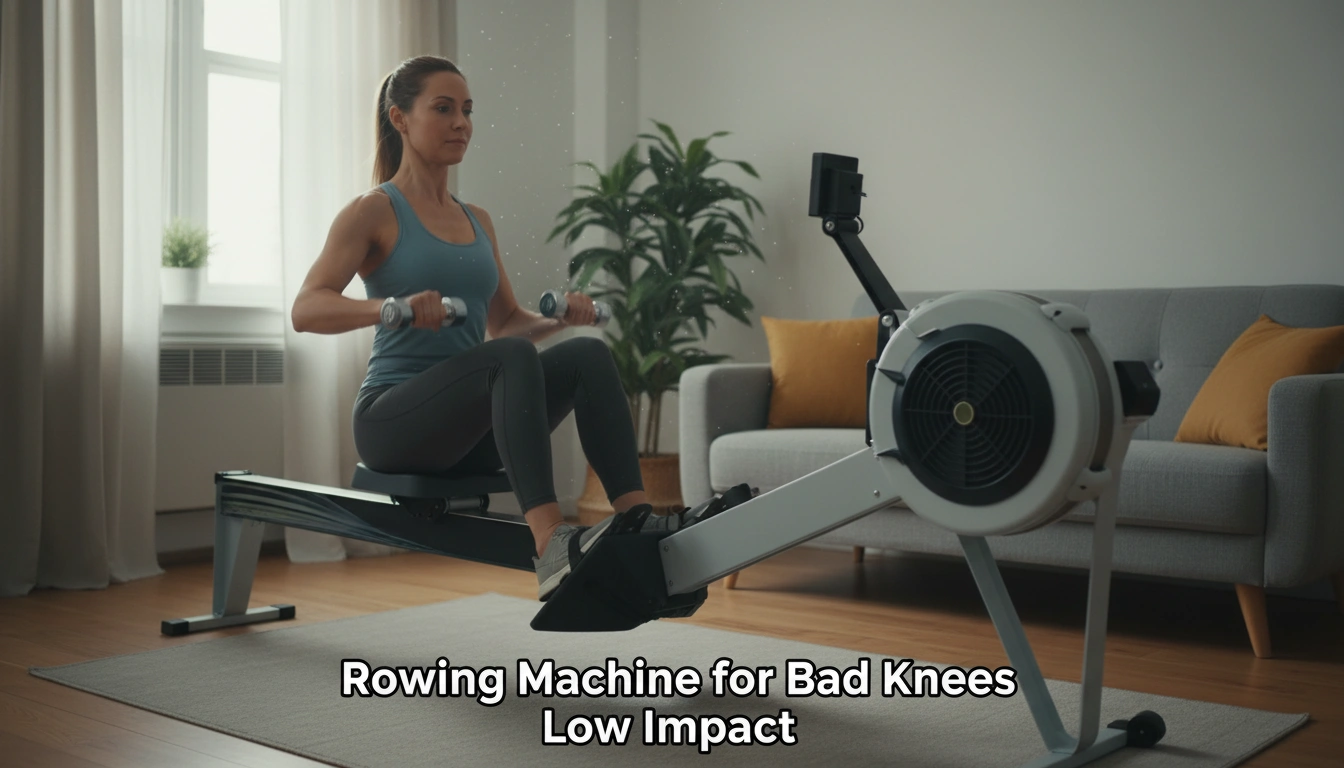
Top 5 Rowing Machine for Bad Knees Low Impact Tested for 2026
Severe knee osteoarthritis makes traditional outdoor running highly destructive for your articular cartilage. Repetitive vertical impact physically crushes the delicate meniscus resting between your femur and tibia. This mechanical trauma causes severe inflammation and permanent biological decay over time. Finding a rowing machine for bad knees low impact cardio provides a highly effective medical alternative. A horizontal sliding motion completely removes harsh gravity forces from your fragile knee joints. You can aggressively stimulate your cardiovascular system without inducing microscopic tissue tears. Let us systematically evaluate the most reliable medical-grade rowers engineered for joint protection this year.
Our Verdict: What’s the Best Rowing Machine for Bad Knees?
Selecting the correct cardio equipment requires aligning specific mechanical resistance with your current joint health. The MERACH model offers exceptional pelvic stability. The Sunny Health machine provides heavy hydraulic tension. The Concept2 unit delivers true commercial-grade air resistance.
Product Name | Key Clinical Feature | Best For | Price |
|---|---|---|---|
1. MERACH Magnetic Rower | Dual slide rail system | Heavy pelvic stability | |
2. Sunny Health & Fitness | Hydraulic resistance cylinders | Tiny apartment spaces | |
3. FEIERDUN Hydraulic Rower | Low seat clearance | Budget joint recovery | |
4. YOSUDA Magnetic Rower | Non-contact magnetic flywheel | Silent home cardio | |
5. Concept2 RowErg | Air displacement technology | Professional physical therapy |
1. MERACH Magnetic Rowing Machine
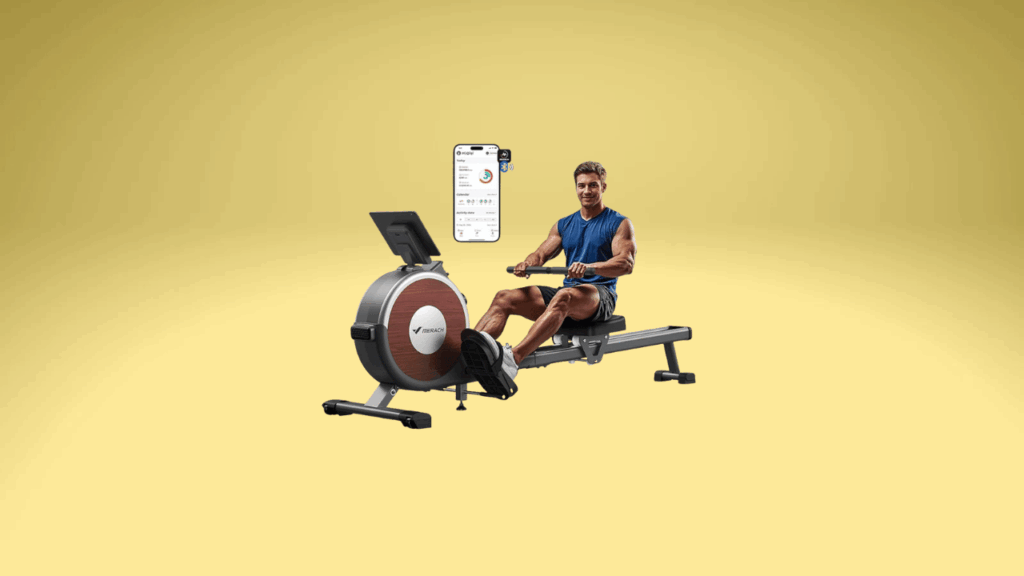
Unstable sliding seats cause dangerous lateral shifting during your heavy pulling phase. This side-to-side movement places severe shearing force directly onto your medial collateral ligaments. The MERACH rowing machine addresses this specific physical threat using a dual slide rail. Two separate steel tracks physically lock the seat into a perfectly straight anatomical line.
This machine includes a heavy magnetic flywheel for incredibly smooth operation. The magnetic tension physically prevents the belt from jerking suddenly at the catch phase. This steady motion rapidly prevents sudden patellar tendon strain. Conversely, the thick ergonomic seat cushion protects your sensitive ischial tuberosities from severe bruising. You can aggressively extend your legs safely without experiencing sharp pelvic bone pain.
The structural frame possesses exceptional weight-bearing properties internally. It safely supports heavy patients weighing up to 350 pounds without bending. This makes it an excellent medical instrument for safely reducing a high body mass index indoors.
Pros:
- Dual slide rail system
- Silent magnetic flywheel
- Heavy load capacity
- Ergonomic seat padding
- Deep foot straps
Cons:
- Heavy base unit
- Requires large footprint
- Complex digital application
Why Choose the MERACH Magnetic Rowing Machine
Older adults suffering from severe balance issues should select this exact machine. The dual sliding rails provide phenomenal lateral stability to protect your fragile knee ligaments physically.
2. Sunny Health & Fitness Compact Adjustable Rower
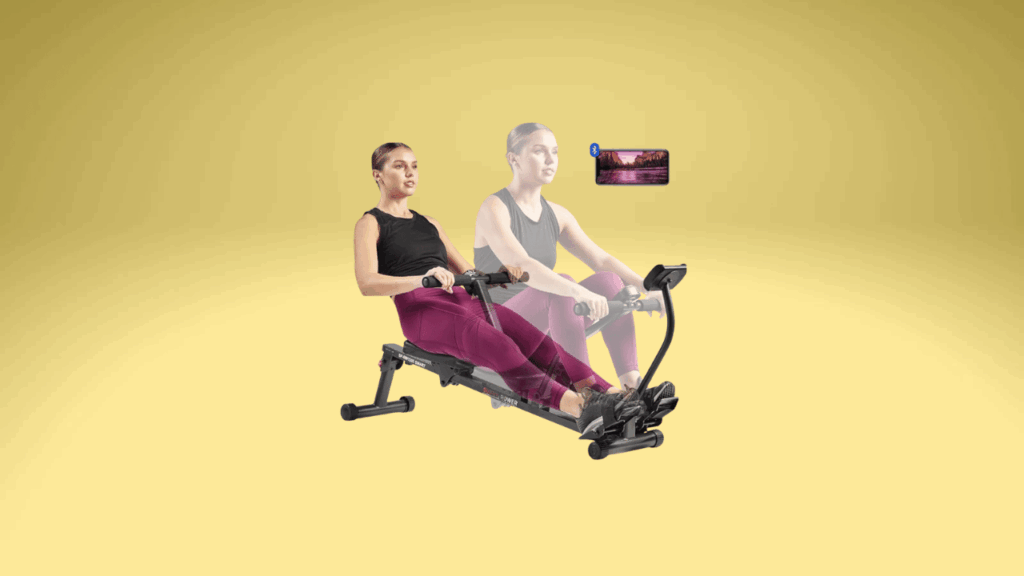
Reversing chronic joint stiffness requires a highly consistent mechanical intervention at home. Massive gym equipment simply does not fit inside modern tiny apartments. The Sunny Health rowing machine upgrades your home recovery protocol immediately. It integrates a compact hydraulic cylinder directly into a highly portable steel frame.
This slim device is specifically engineered to store upright inside small closets. The hydraulic cylinder is the absolute core of its knee-friendly capabilities. This specific mechanism provides twelve distinct levels of thick fluid resistance. This fluid tension forces your central nervous system to control your leg extension slowly. Meanwhile, the pivoting foot pedals gently absorb your ankle flexion automatically. This mechanical pivoting significantly enhances blood flow through your stiff lower leg joints.
The device also utilizes a highly comfortable padded handlebar. This thick rubber grip prevents painful blisters from forming on your bare hands. The Sunny Health rower acts as a highly practical clinical tool for daily cardiovascular retraining.
Pros:
- Ultra lightweight frame
- Smooth hydraulic cylinders
- Highly affordable price
- Pivoting foot pedals
- Easy vertical storage
Cons:
- Cylinders overheat quickly
- Short slide rail
- Basic digital monitor
Why Choose the Sunny Health & Fitness Compact Adjustable Rower
You must choose this unit if your floor space remains severely limited. The hydraulic system provides heavy mechanical resistance while requiring less than half the length of traditional machines.
3. FEIERDUN Hydraulic Rowing Machine
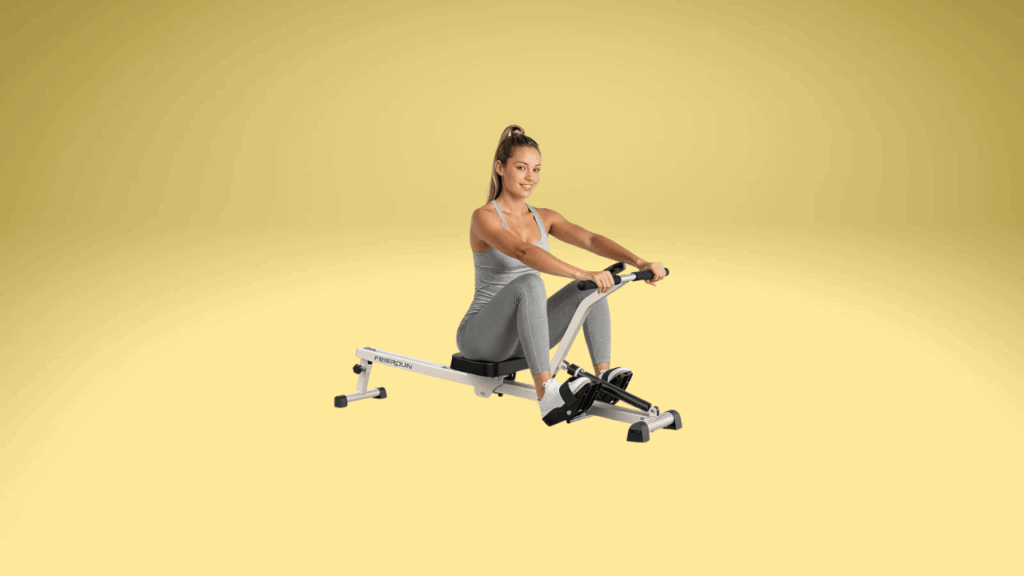
Flat walking completely fails to train your quadriceps through a deep range of motion. Weak thigh muscles lead directly to dangerous patellar tracking issues over time. The FEIERDUN rowing machine introduces a deep horizontal leg press to solve this physiological weakness.
You can manually adjust the hydraulic piston to create massive pushing resistance. Pushing backward immediately forces your dormant quadriceps to fire forcefully with every stroke. This intense muscular activation safely stabilizes your floating kneecap during daily walking. The heavy steel base features a low center of gravity to prevent dangerous tipping.
The machine supports heavy users safely without squeaking or structural hesitation. The included digital monitor tracks your total stroke count accurately. This prevents dangerous physical overtraining while your cartilage slowly heals. The FEIERDUN unit provides excellent structural resistance for rebuilding weak thigh muscles completely.
Pros:
- Extremely compact design
- Twelve resistance levels
- Low entry height
- Thick seat cushion
- Simple rapid assembly
Cons:
- Lacks distance tracker
- Frame wobbles slightly
- Not easily foldable
Why Choose the FEIERDUN Hydraulic Rowing Machine
Select this machine to aggressively strengthen your quadriceps safely indoors. The horizontal leg pressing motion safely loads your thigh muscles to correct chronic knee instability.
4. YOSUDA Magnetic Rowing Machine
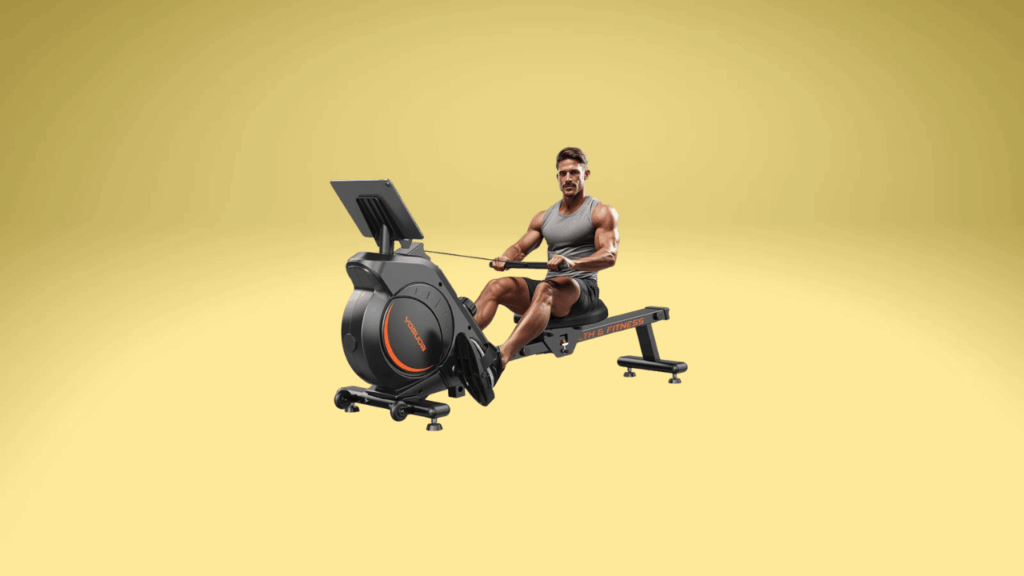
Loud mechanical chains create heavy vibration that travels directly into your fragile finger joints. The YOSUDA machine provides a totally smooth nylon pulling belt instead. It utilizes a highly reinforced internal magnetic system to prevent loud physical clanking entirely.
This premium device features a heavy twelve-pound internal flywheel mechanism. You can physically change the magnetic proximity using a simple mechanical dial instantly. This alters the pulling difficulty without ever touching the spinning metal wheel. The smooth pulling motion protects your shoulder labrum from sudden jerking injuries perfectly.
A bright digital screen tracks your physical mileage and caloric expenditure accurately. Heavy rubber foot caps absorb the downward force generated by aggressive rowing strokes. The YOSUDA device is an absolute necessity for patients requiring true silence during early morning workouts.
Pros:
- Heavy internal flywheel
- Smooth nylon belt
- Comfortable foot plates
- Stores completely upright
- Thick steel frame
Cons:
- Short pull cord
- Basic LCD screen
- Low seat height
Why Choose the YOSUDA Magnetic Rowing Machine
Patients living in shared apartment buildings must choose this exact structural frame. The magnetic resistance and nylon belt prevent dangerous noise complaints during heavy daily use.
5. Concept2 RowErg Indoor Rowing Machine
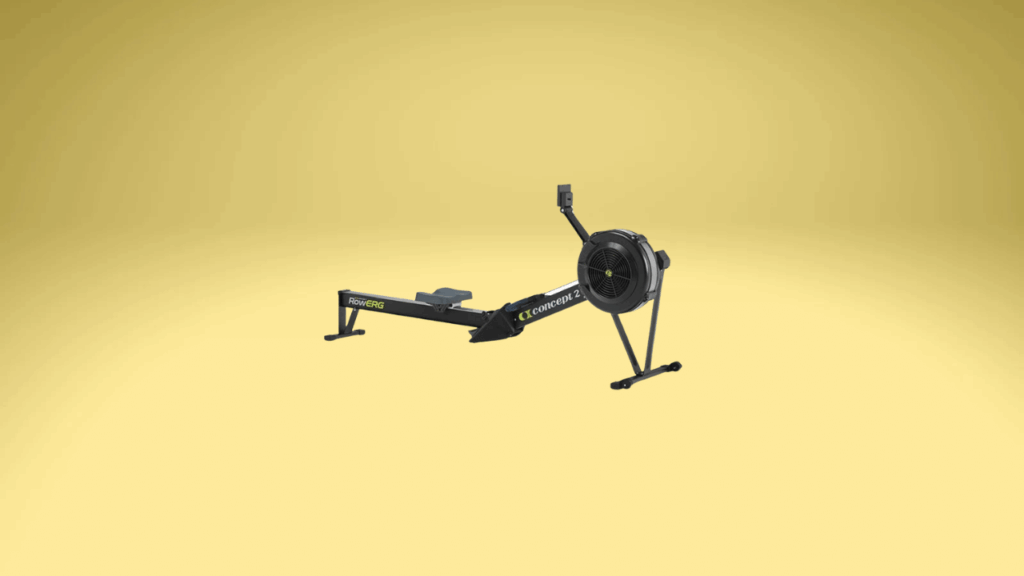
Elite physical therapy clinics strictly utilize air displacement technology for joint rehabilitation. The Concept2 RowErg eliminates cheap plastic components entirely. It features a highly expansive aluminum monorail measuring completely straight across the floor. This extra length accommodates very tall patients and prevents accidental rail collisions safely.
The manufacturer utilizes a patented spiral damper connected to an enclosed fan blade. This unique aerodynamic arrangement effectively stops lateral shearing forces during your initial catch phase. Consequently, your fragile knee ligaments remain perfectly stable and protected from sudden twisting motions. The internal air resistance provides highly reliable, infinite power scaling.
Air technology forces the machine to react precisely to your exact physical pulling effort. You can easily track your physical parameters using the advanced PM5 digital monitor. The Concept2 provides unmatched durability for users demanding professional clinical quality at home.
Pros:
- Commercial air resistance
- Advanced PM5 monitor
- Massive weight capacity
- Separates for storage
- Perfect biomechanical angle
Cons:
- Very high cost
- Loud fan noise
- Firm plastic seat
Why Choose the Concept2 RowErg Indoor Rowing Machine
Choose this specific machine if you possess a history of severe knee surgeries. The precise air resistance actively protects your healing ligaments from dangerous sudden loading forces.
Extensive Buying Guide: How to Choose a Knee-Friendly Rower
Purchasing mechanical equipment for your home physical therapy requires analyzing specific technical parameters. A weak rail will bend rapidly under the continuous strain of heavy sliding. You must evaluate the internal components to ensure your physical safety remains entirely intact.
Analyzing Resistance Topography
Rehabilitation environments demand highly predictable mechanical tension to protect damaged cartilage. Magnetic resistance utilizes physical magnets that move closer to a spinning metal wheel. This creates heavy eddy currents and a completely silent, smooth pulling experience. You must specifically seek out magnetic or air resistance for your damaged knees. Hydraulic cylinders provide excellent tension but frequently overheat during long training sessions. Overheated cylinders suddenly lose their physical resistance, which causes dangerous jerking motions in your knees.
Biomechanics of Seat Height
Low sitting surfaces destroy your knee cartilage quickly when you attempt to stand up. Your body requires a mechanically advantageous height to safely rise from a seated position. Evaluate the specific distance located directly between the heavy rail and your floor. Look for machines sitting at least fourteen inches off the ground. A higher seat prevents deep knee flexion angles that crush your delicate medial meniscus completely. If you prefer upright movement, comparing active cardio options provides different structural choices.
Rail Length and Knee Extension
A highly short rail alters your natural rowing mechanics dangerously. It forces you to stop your leg drive prematurely to avoid hitting the plastic stoppers. This improper anatomical alignment leaves your quadriceps constantly shortened and severely tight. Always select a rail length measuring at least forty inches across. A longer track accommodates your natural physiological leg length securely. This allows you to safely lock your knees at the very end of your physical stroke.
The Physiology of Low-Impact Recovery
To maximize the biological benefits of your device, you must understand human physiology thoroughly. Simply sliding back and forth triggers massive systemic changes within your entire circulatory system.
Flushing Joint Inflammation
Prolonged sitting allows heavy inflammatory proteins to pool deeply inside your knee capsule. Gravity traps this destructive fluid below your patella efficiently. This biological pooling causes severe morning stiffness and dangerous cartilage erosion risks. Rowing activates your heavy thigh muscles to act as a powerful secondary pump. These muscular contractions physically crush your knee capsule forcefully. This mechanical action pumps the stagnant waste fluid directly out of your joint rapidly.
Hydrating the Articular Cartilage
Your knee cartilage completely lacks a direct biological blood supply entirely. It relies entirely on a physical process called imbibition to receive vital nutrients. This process requires continuous compression and decompression to pump synovial fluid into the tissue. Sitting locks your knee into a static position, completely halting this vital nutrient exchange. Smooth rowing provides the exact rhythmic compression required to hydrate your cartilage naturally.
Activating Full Body Metabolism
Static resting drops your muscular metabolic rate to absolute baseline levels quickly. Your cells stop pulling excess glucose from your circulating bloodstream immediately. This dangerous stagnation leads directly to severe weight gain over time. Rowing at a slow pace forces your entire body to burn glucose constantly. You can explore building upper body strength to further increase your daily metabolic demands safely.
Targeted Relief Strategies
Implementing a specific clinical protocol ensures your joints survive the new physical workload safely. You must align your rowing ergonomics perfectly to prevent lower body injuries.
Establishing Proper Foot Placement
Placing your feet too high on the pedals destroys your knee cartilage rapidly. The heavy angle places massive physical strain on your posterior patellar surface. You must lower the adjustable foot straps so the strap crosses your widest toe knuckles. Your heels should lift slightly during the forward catch phase safely. This strict alignment prevents painful patellar grinding in your delicate knee joint.
Controlling the Catch Phase
Crashing violently into the front of the machine shuts off your active muscle fibers completely. This sudden impact physically jams your delicate knee facets together violently. You must slow your forward momentum using your hamstring muscles actively. This controlled eccentric phase safely stimulates maximum muscular control without physically destroying the joint capsule. If you require compact indoor running equipment for varied training, check our previous medical guide.
Strategic Physical Rest Intervals
Your soft tissues require adequate physical recovery to repair heavy microscopic muscular damage safely. Do not attempt to row for two consecutive hours during your first week. Start with brief fifteen-minute sessions spaced evenly throughout your weekly schedule. Slowly increase your heavy pulling frequency to allow your thick patellar tendons to adapt safely.
Frequently Asked Questions
Can rowing machines damage a replaced knee joint?
A smooth mechanical stroke actually protects a heavy titanium knee replacement beautifully. The horizontal movement actively prevents thick scar tissue from forming around the surgical site. You must clear the exact knee flexion angle with your orthopedic surgeon before starting. Proper mechanical sliding safely restores your natural physiological range of motion entirely. By keeping the surrounding muscles strong, you significantly extend the lifespan of your artificial knee.
How fast should I slide forward during my recovery phase?
Moving forward rapidly requires explosive momentum that degrades your muscular tension immediately. Medical guidelines suggest maintaining a controlled speed, taking two seconds to slide forward smoothly. This highly controlled pace allows your connective tissues to remain stable under the shifting load. Faster speeds cause dangerous knee jerking that ruins your physical rowing form completely.
Do water resistance rowers provide better joint protection?
Water resistance provides an incredibly natural physical pulling sensation. The fluid catches instantly without the sudden mechanical jerking found on cheap magnetic machines. Water drag increases exponentially as you pull harder, matching your exact physical effort safely. However, filling and maintaining the heavy water tank requires strict chemical water treatment monthly.
Can wearing thick running shoes cause knee pain while rowing?
Rowing with thick running shoes destroys your physical power transfer quickly under heavy loads. The thick foam heel creates high instability that easily alters your natural knee tracking. You must wear flat athletic shoes while operating the heavy rowing equipment. Proper flat footwear safely controls your physical alignment and transfers raw leg force directly into the footboard.
Why does my lower back ache after using the machine?
Aching indicates your physical spinal mechanics remain highly compromised during your pulling sessions. You are likely rounding your lower back aggressively during the forward catch phase. This structural deviation places immense mechanical shear force directly onto your delicate lumbar discs. Keep your chest tall immediately and hinge strictly from your hips while pulling heavy handles.
Final Takeaways
Integrating continuous horizontal movement into your daily routine prevents severe biological knee decay entirely. A premium rowing machine serves as a highly calibrated medical instrument for cartilage preservation. You must prioritize specific mechanical features like long slide rails and smooth magnetic resistance. Always align your foot stretchers ergonomically to protect your fragile patella from injury. Consistent low-impact loading remains the most powerful clinical intervention for long-term physiological joint health.

- How to Speed Up Muscle Recovery: Beyond Rest and Stretching - August 13, 2026
- Best Piercing Pillows: Which Ones Actually Relieve Pressure? - August 11, 2026
- Best Red Light Therapy Panel: Expert Picks for Home Use - August 5, 2026