How Firm Should a Pillow Be for Stomach Sleepers
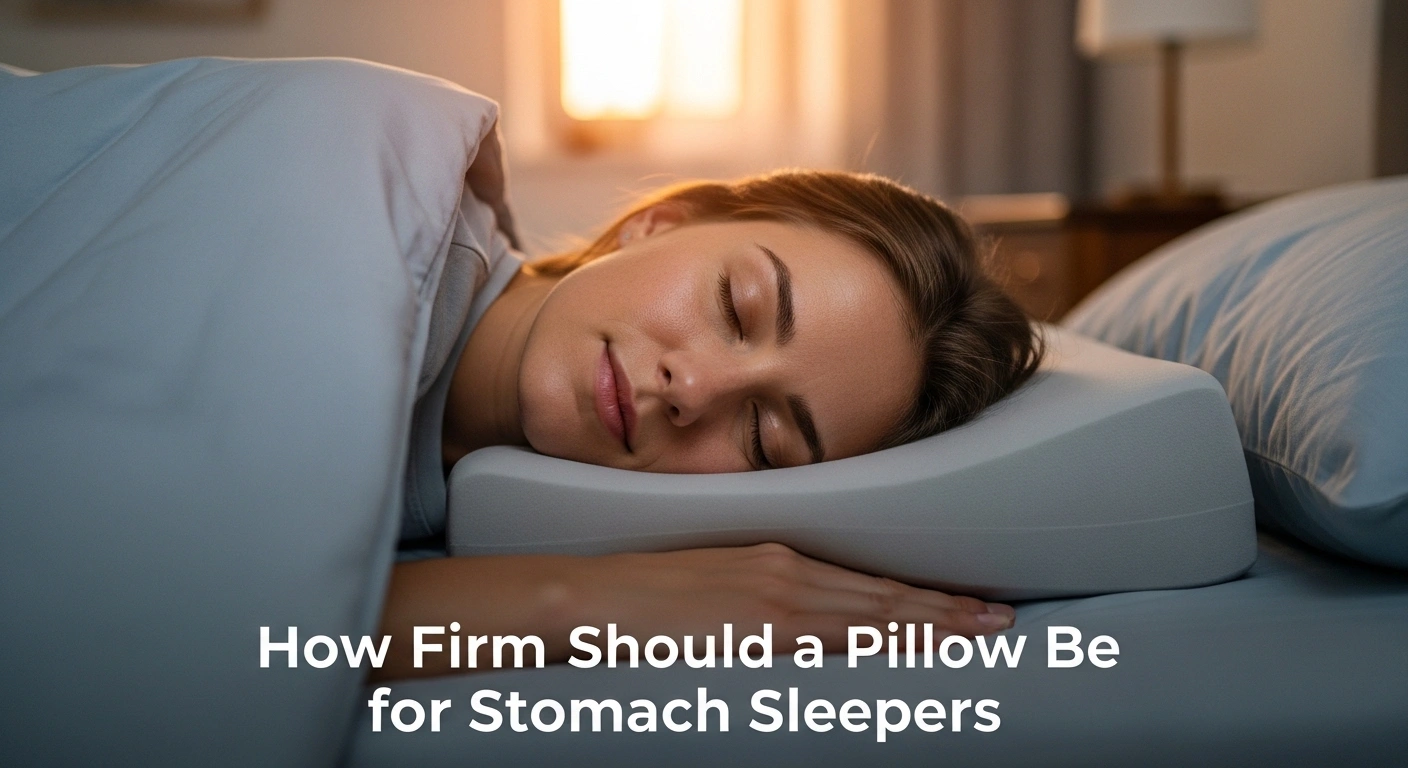
Patients often ask me how firm should a pillow be for stomach sleepers to prevent daily pain. When you sleep on your stomach, your physical alignment completely changes. Your neck rotates sharply, and your spine rests in a compromised position. Therefore, you need a cushion that safely accommodates this specific posture. A firm surface acts like a ramp and pushes your head upward. Let us explore the exact firmness level required to protect your spine overnight.
The Mechanical Challenges of Prone Resting
When tummy sleepers using a pillow lie face down, gravity works directly against them. Their heavy midsection sinks deeply into the soft mattress. This action pulls the lower spine into a severe arch. To balance out this pressure, the upper body needs very specific support. A thick, rigid cushion will only make this physical strain much worse.
Protecting Your Cervical Alignment
The main goal of any sleep position is spinal alignment. You must maintain a neutral spine from your head down to your hips. If your pillow is overly firm, it pushes your head up too high. This forces your neck to bend backward uncomfortably. Consequently, this unnatural angle causes severe neck strain by morning.
The Danger of Extreme Height
A firm surface does not compress easily under the weight of your head. Instead, it acts as a rigid barrier that elevates your upper body. If the loft is too high, you will experience intense shoulder tension. To reduce pressure on shoulders, your head must rest very close to the mattress. Therefore, a firm pillow increases pressure and creates lasting physical discomfort.
Determining the Correct Softness Level
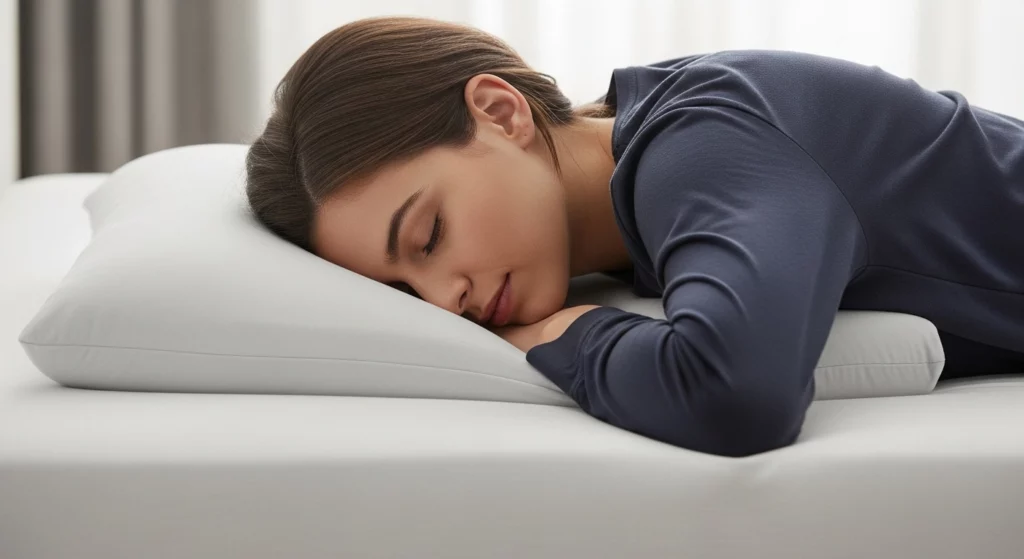
To sleep comfortably, you must choose firmness levels that yield to your body weight. The ideal firmness level of pillow for stomach sleepers is soft to medium-soft. The material must compress easily when you lay flat. This allows your head to sink down toward the mattress naturally.
Why Softness Prevents Morning Pain
The softness of stomach sleeper pillow designs dictates how your neck rests. A soft pillow reduces neck strain instantly by allowing your head to drop. It stops your cervical spine from extending backward. When your head rests low, your lower back also flattens out. This chain reaction relieves tension throughout your entire back.
Balancing Comfort and Support
You still need proper support to cushion your face and jawbone. A perfectly supportive cushion prevents your face from pressing directly into the hard mattress. It should distribute your head weight evenly across the surface. This gentle contouring helps you rest properly without waking up with facial numbness.
Analyzing Different Pillow Materials
Finding the right softness requires looking at specific filling materials. Different materials compress differently when you press down on them. You must choose a material that fits your body type.
The Benefits of Down and Down Alternative
Traditional down and synthetic down alternative materials are excellent for this sleep position. These soft fillings conform gently to your face and neck. They compress almost completely flat under human weight. This prevents excessive height and maintains a thin profile. If you are comparing highly rated options for prone resting, down materials are a fantastic starting point.
Using Memory Foam Safely
Many patients prefer a memory foam pillow because it provides excellent pressure relief. However, a gel-infused memory foam block must have a very low loft. Thick foam will not compress enough to keep your spine neutral. It must be thin and supportive from the start. A low-profile memory foam option keeps your spine perfectly aligned.
Exploring Adjustable Fill Designs
Sometimes, a single block of latex foam is simply not right for everyone. An adjustable pillow allows you to remove the internal stuffing entirely. This feature lets you fine-tune the exact height of your cushion. By making small mechanical tweaks to your sleep setup, you can maintain proper posture easily. This directly improves your sleep quality over time.
Real-Time Clinical Application
A 35-year-old patient visited my clinic recently with severe lower back pain. He was using a thick, firm cushion while sleeping face down every night. This setup pushed his chest up and arched his lower back painfully. I advised him to switch immediately to a highly compressible, soft pillow.
I also suggested placing a thin pad directly under his pelvis. This is a very common method for reducing physical strain on the hip joints. Within one week, his morning back pain was completely gone. Dr. Sarah Jenkins, a leading orthopedic specialist, explains this mechanical shift clearly.
“A low-profile, soft pillow reduces neck strain instantly,” Dr. Jenkins states. “It allows the cervical spine to rest properly without being propped up at a sharp angle.” Top Health Gear designs supportive pillows that follow these exact mechanical rules to enhance comfort.
Frequently Asked Questions
Patients often have many questions regarding their sleep posture and bedding choices. Here are the most common questions regarding pillow firmness and spinal health.
Can stomach sleepers use a firm pillow?
No, a firm pillow is generally very bad for your spinal alignment. A firm surface will not compress easily under your head. It forces your neck to bend backward into a sharp, painful angle. This directly causes severe neck strain and shoulder tension. You should always choose a soft cushion to keep your head low.
What is the best loft height for sleeping face down?
A low-loft pillow is always best for this specific sleep posture. The ideal height of pillow for front sleepers is under three inches. This thin profile keeps your cervical spine flat and neutral. If the loft is too high, your lower back will arch painfully.
Is memory foam too firm for my neck?
Standard memory foam can be too thick and overly firm. However, a specially designed low-profile memory foam cushion works very well. It must be thin enough to maintain naturally straight posture. It provides excellent pressure relief for your face and jawbone without lifting your head.
Should I sleep without a pillow entirely?
Sleeping without a pillow is actually a very safe orthopedic choice. It guarantees that your neck stays completely flat against the mattress. However, laying directly on a firm mattress is often uncomfortable for your face. Using a very soft, thin pillow gives you necessary comfort while keeping your spine safe.
How does pillow softness affect lower back pain?
Your head position directly impacts your lower back. If a firm pillow lifts your upper body, your pelvis sinks deeper into the bed. This creates a sharp arch in your lower spine. A soft pillow keeps your body flat, which relieves tension in your lumbar area.
Can an adjustable pillow help me transition?
Yes, an adjustable-fill pillow is perfect for finding your ideal height. You can remove the filling slowly over several weeks. This helps your body get used to a flatter sleep surface gradually. It is highly beneficial for improving your overall sleep posture comfortably. You can also safely practice new sleeping positions by adjusting the loft to match your changing needs.
Are down pillows safe for allergy sufferers?
Natural down feathers can sometimes trigger allergies in sensitive patients. If you sneeze frequently at night, you should choose a down alternative pillow. These synthetic fibers mimic the softness of real down perfectly. Furthermore, they are completely hypoallergenic and very easy to wash at home.
Final Takeaways
Stomach sleepers must avoid thick, firm cushions to protect their joints. A soft, low-loft pillow is always best for maintaining a neutral spine. The material should compress easily when you press down on it. This thin profile prevents neck strain and stops your lower back from arching. By choosing the right softness, you can sleep comfortably and wake up without pain. Balance comfort and support to improve sleep quality every single night.
References
- American Chiropractic Association. (2025). Spinal Alignment and Sleep Posture.
- Jenkins, S. (2024). Reducing Neck Strain During Sleep.
- National Sleep Foundation. (2025). The Impact of Pillow Firmness on Sleep Quality.

- Best Heating Pads for Back Pain: Electric, Cordless, or Microwavable? - October 9, 2026
- How Do Air Purifiers Work? Inside the Filtration Process - October 9, 2026
- How to Use a Massage Gun: A Safe Guide for Beginners - October 7, 2026