Is a Continuous Glucose Monitor for Non-Diabetics Worth It?
You scroll through your social media feed and see another fitness influencer wearing a white patch on their arm. They claim this tiny device revolutionized their energy levels and completely cured their afternoon brain fog. You wonder if tracking your own blood sugar could be the secret to perfect metabolic health.
The honest answer requires looking past the aggressive wellness marketing. A continuous glucose monitor for non-diabetics is a fascinating tool for personalized nutrition. However, it is also highly expensive and largely unnecessary for the average healthy adult. Let us explore the exact science behind these wearable sensors and determine if they are truly worth your hard-earned money.
How Continuous Glucose Monitors Work
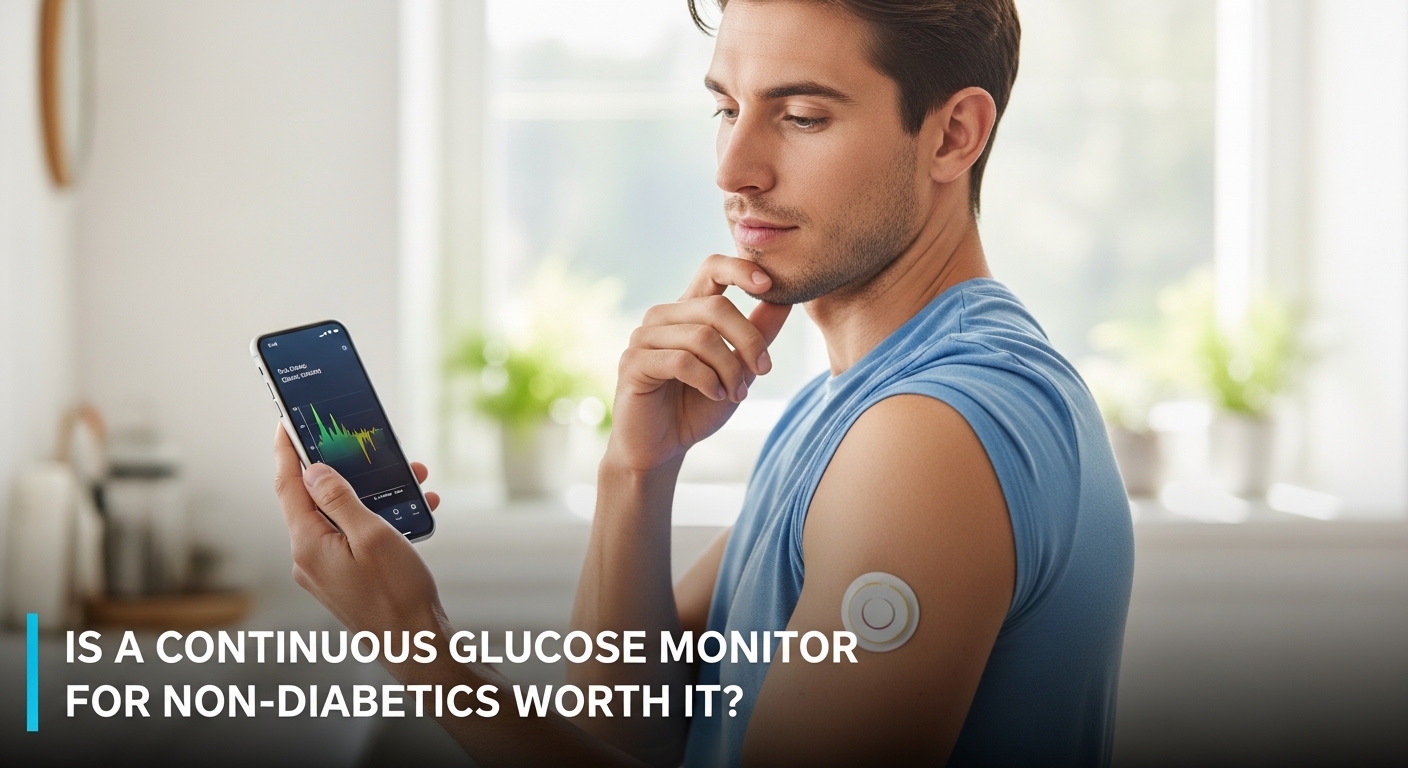
To understand the hype, you must first understand the underlying medical technology. A continuous glucose monitor, often called a CGM, is a specialized wearable health device. You apply a small adhesive patch directly to the back of your upper arm or your stomach.
A tiny, flexible filament sits just underneath the surface of your skin. It does not actually measure your true arterial blood sugar. Instead, it constantly measures the glucose levels inside your interstitial fluid. This is the fluid resting naturally between your skin cells.
The sensor reads your interstitial glucose every few minutes, twenty-four hours a day. It sends this real-time tracking data directly to an app on your smartphone. You can instantly see exactly how your body reacts to a bowl of pasta or a stressful work meeting.
The Difference Between Diabetics and Non-Diabetics
For patients with Type 1 or Type 2 diabetes, a CGM is a completely life-saving medical device. Their bodies cannot produce or properly use insulin. Without insulin, dangerous amounts of sugar remain trapped in their bloodstream. They rely on the CGM to calculate their exact medication dosage safely.
A healthy non-diabetic body possesses a brilliantly effective, built-in glucose management system. When you eat a heavy carbohydrate meal, your blood sugar naturally rises. Your pancreas immediately detects this rise and releases the perfect amount of insulin. The insulin acts like a key, opening your cells to absorb the circulating glucose for energy.
Your body naturally brings your blood sugar back down to a normal glucose range within two hours. You do not need a piece of plastic to tell your pancreas how to do its biological job. We explore similar biological automation in our smart scale body fat accuracy research. Healthy human bodies are incredibly self-regulating machines.
The Appeal of Personalized Nutrition
If your body already manages glucose perfectly, why do healthy people wear these devices? The answer lies in the massive variability of human digestion. Two different people can eat the exact same banana and experience completely different metabolic responses.
- Person A might experience a massive, rapid glucose spike after eating the banana.
- Person B might experience a very slow, gentle rise in their blood sugar.
- Person A might feel incredibly tired and hungry just one hour later.
- Person B might feel perfectly energized and full for several hours.
A wearable CGM reveals your highly individualized responses to specific foods. It removes the mystery behind your sudden afternoon energy crashes. You might discover that oatmeal ruins your morning focus, while a heavy plate of eggs and bacon keeps you sharp. This data-driven approach to diet is incredibly appealing for optimizing daily mental performance.
The Danger of Misinterpreting Data
While the data is fascinating, it frequently causes severe anxiety for uneducated users. Health influencers often claim that all blood sugar spikes are inherently dangerous and toxic. This is biologically incorrect and highly misleading.
A sharp rise in your blood sugar after eating a meal is a completely normal, healthy human response. It means your digestive system is successfully breaking down the food you just ate. If you constantly stress over keeping your glucose line perfectly flat, you will likely develop an eating disorder. You might start fearing healthy foods like apples, sweet potatoes, and carrots.
Furthermore, intense cardiovascular exercise causes your blood sugar to spike rapidly. Your liver dumps stored glucose into your bloodstream to fuel your hard-working muscles. A non-diabetic user might see this massive spike on their phone and suddenly stop exercising out of fear. This misinterpretation actively harms their long-term cardiovascular health.
Cost vs. Benefit Analysis
Before you attach a sensor to your arm, you must look at the strict financial reality. These devices are classified as prescription medical equipment. Insurance companies will absolutely not pay for a CGM unless you have a documented medical diagnosis of diabetes.
You will have to pay for the sensors entirely out of your own pocket. A single sensor usually lasts for exactly fourteen days before it permanently dies. Maintaining a continuous monitoring habit can easily cost you several hundred dollars every single month.
For the vast majority of healthy adults, this high cost simply does not justify the limited clinical benefit. You can achieve the exact same metabolic results by simply eating fewer processed foods and walking after meals.
When a CGM Might Actually Make Sense
There are a few specific scenarios where a healthy adult might genuinely benefit from short-term glucose tracking. You do not need to wear the device forever to gain valuable dietary insights. Wearing a sensor for just one single month can teach you a lot about your specific dietary triggers.
You might consider trying a CGM if you actively struggle with:
- Severe, unexplained fatigue immediately after eating lunch.
- Intense sugar cravings that disrupt your daily work focus.
- A strong family history of Type 2 diabetes or severe insulin resistance.
- Polycystic ovary syndrome (PCOS) and related metabolic hormone issues.
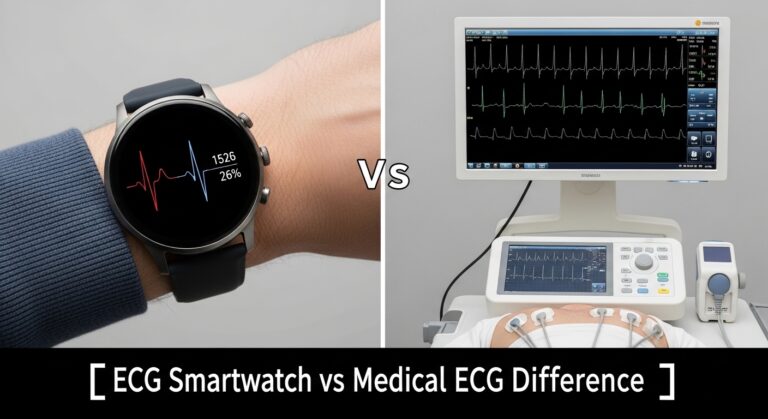
If you decide to try a sensor, treat it like an educational experiment. Use the data to tweak your daily habits, and then take the device off permanently. Do not let the digital numbers dictate your daily happiness. We discuss the exact same psychological trap in our ECG smartwatch vs medical ECG difference article.
The Impact of Sleep and Stress
Your diet is not the only factor manipulating your daily blood sugar levels. Your central nervous system plays a massive role in your overall metabolic health. When you experience high levels of psychological stress, your adrenal glands release heavy amounts of cortisol.
Cortisol actively forces your liver to release stored glucose into your bloodstream. This biological mechanism is designed to give you the quick energy needed to escape a dangerous predator. If you are constantly stressed about your job, your baseline glucose will remain artificially elevated all day long.
Poor sleep hygiene destroys your insulin sensitivity just as quickly. Just one single night of terrible sleep makes your cells highly resistant to insulin the following morning. You will experience massive, exaggerated glucose spikes after eating normal, healthy foods. A CGM vividly illustrates how deeply your lifestyle habits affect your internal biology.
Alternatives to Expensive Continuous Monitoring
You absolutely do not need an expensive wearable patch to understand your metabolic health. You can monitor your biological responses using basic, highly effective lifestyle awareness.
Start by keeping a simple daily journal. Write down exactly what you eat for lunch. Two hours later, write down exactly how you physically feel. Are you feeling sharp and energetic, or are you desperately craving a nap? This free method quickly identifies the specific foods that cause your personal energy crashes.
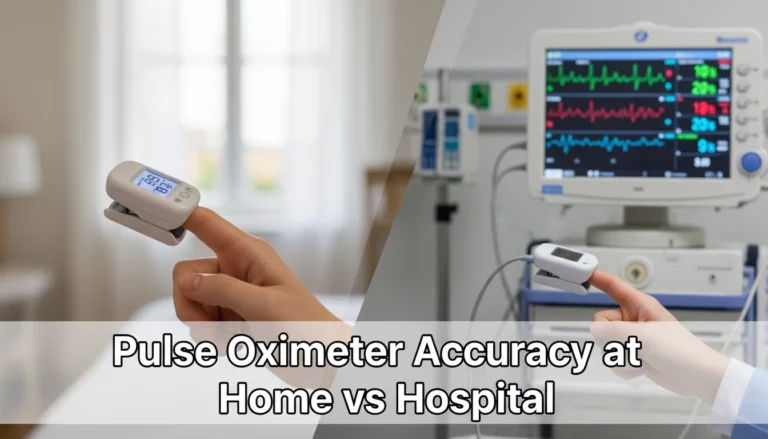
Furthermore, schedule a routine physical with your primary doctor every year. Ask them to run a standard HbA1c blood test. This cheap, highly accurate laboratory test provides a perfect three-month average of your overall blood sugar levels. It is the absolute gold standard for catching early signs of prediabetes safely. You can also research the pulse oximeter accuracy at home vs hospital to understand the value of clinical laboratory testing over home gadgets.
Frequently Asked Questions
Can a CGM tell me what foods I am allergic to?
No, a glucose monitor cannot detect food allergies or intolerances. It only measures how your body physically digests carbohydrates into simple sugar. An allergy is an immune system response, which a glucose sensor cannot track or identify at all.
Why is my CGM reading different from my finger-prick test?
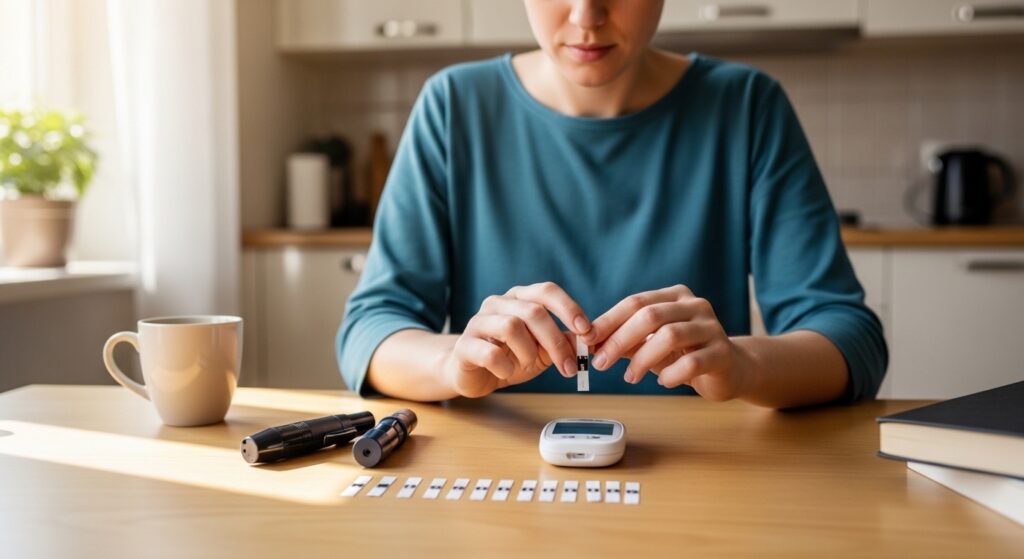
A finger-prick test measures the actual glucose circulating in your arterial blood instantly. A CGM measures the glucose resting in your interstitial fluid. It takes about fifteen minutes for sugar to move from your blood into that specific fluid. Therefore, the CGM reading will always lag slightly behind your true blood sugar level.
Does taking a hot shower affect my CGM accuracy?
Yes, extreme heat can temporarily disrupt the accuracy of the interstitial sensor. A hot shower rapidly increases the blood flow directly to the surface of your skin. This sudden physical change can cause the device to output a falsely high or jumping glucose reading temporarily.
Can I wear a continuous glucose monitor while swimming?
Most modern CGM sensors are highly water-resistant. You can usually swim, shower, and bathe with the patch securely attached to your arm. However, you should check the specific manufacturer guidelines. Some brands advise against diving into very deep water due to high physical pressure.
Final Takeaways
A continuous glucose monitor is a fascinating piece of wearable technology that provides deep insights into your personal digestion. However, for a healthy non-diabetic individual, it remains an expensive and largely unnecessary luxury item.
Your pancreas already manages your daily blood sugar levels beautifully without requiring digital supervision. While short-term tracking can help identify specific foods that cause severe energy crashes, long-term use often triggers unnecessary dietary anxiety. Normal blood sugar spikes after a meal are healthy, expected biological responses, not dangerous medical emergencies.
Instead of spending hundreds of dollars on disposable sensors, focus heavily on the proven basics of metabolic health. Prioritize eating whole foods, managing your daily stress, and protecting your nightly sleep hygiene. If you are genuinely concerned about your diabetes risk, schedule a simple HbA1c blood test with your doctor. True health optimization rarely requires an expensive gadget permanently attached to your arm.

- The Science of Sound Healing: Why Your Recovery Routine Needs More Than Gear - June 19, 2026
- Top 3 Best Cooling Mattress Pads for Night Sweats Tested - April 27, 2026
- Top 3 Best Sunrise Alarm Clocks for Natural Waking in 2026 - April 27, 2026