Living with constant muscle tension is exhausting for your body. You might feel tight bands of tissue that never seem to relax. This persistent discomfort often affects your daily productivity and overall mood. Fortunately, understanding how deep tissue massagers work for pain relief can help you recover. These devices target the lower layers of your muscles and connective tissue. They use intense pressure to reach spots that regular massage cannot touch. By focusing on these deep areas, you can fix long-term physical issues safely. Let’s look at the specific ways these tools help your body heal naturally. You deserve to move without feeling restricted by old injuries or daily stress.
The Physical Science of Deep Tissue Manipulation
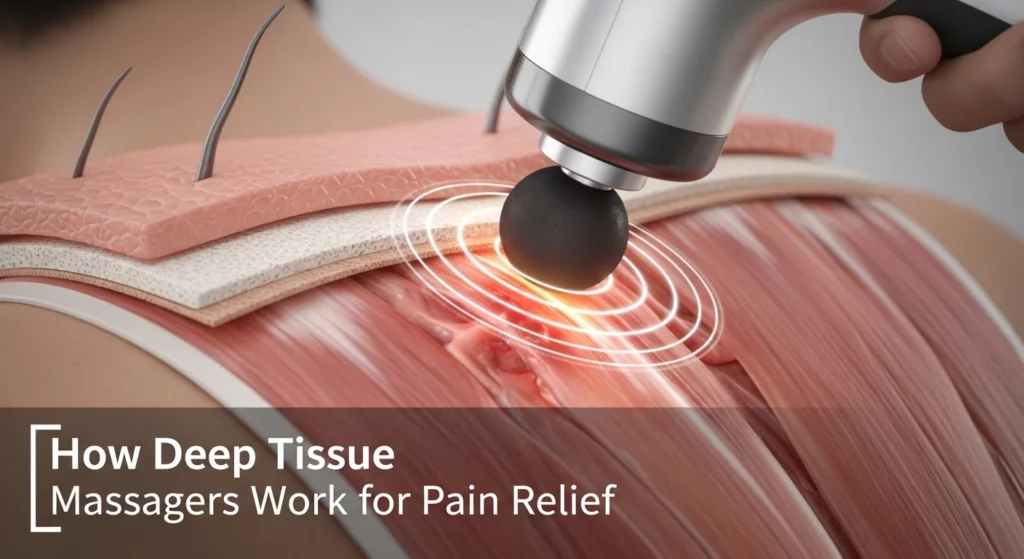
The primary goal of these devices is to reach the muscle fascia. This is the thin layer of tissue that wraps around every muscle fiber. Over time, this layer can become stiff and painful.
Reaching the Deepest Muscle Layers
Regular massage mostly stays on the surface of your skin. It feels good but does not always fix the root problem. A deep tissue tool uses a much narrower head to apply focused force. This force penetrates through the top skin and fat layers easily. It hits the thickest part of the muscle where tension hides. This action allows the device to change the physical state of your tissues. You will feel a deep, satisfying release that lasts much longer.
Stimulating the Myofascial Release Process
Your muscles need to slide over each other smoothly to function well. When you are injured, the fascia sticks to the muscle fibers. This sticking is called an adhesion, and it causes significant pain. The mechanical pressure of the massager physically breaks these sticky bonds apart. This process is known as myofascial release in the medical world. It restores your natural movement patterns by freeing up the stuck tissues. You will notice that your joints feel much looser after a short session.
Improving Oxygen and Nutrient Delivery
Tightly knotted muscles have very poor blood circulation inside them. They become starved of the oxygen needed to repair tiny tears. The heavy pulsing of the machine acts like a manual pump. It forces old, waste-filled blood out of the muscle belly. When the pressure stops, fresh blood rushes back into the tissue. This rush of blood brings the building blocks your cells need to heal. Fast blood flow is the most important factor in rapid muscle recovery.
Breaking Down Adhesions and Scar Tissue
Old injuries often leave behind tough patches of scar tissue. This tissue is less flexible than healthy muscle and causes constant pulling.
How Pressure Dissolves Tough Knots
A knot is a spot where muscle fibers have stayed flexed for too long. These fibers eventually become starved of nutrients and lock together firmly. Using complete full-body massage chairs helps address these knots across your entire back. The physical kneading action forces the fibers to stretch and separate. Over time, the hard lump begins to soften and disappear. This removal of the knot stops the referred pain that shoots into other areas.
Managing Lactic Acid Build-Up
Heavy exercise creates a waste product called lactic acid in your limbs. This acid causes the burning sensation you feel after a hard workout. If this acid stays trapped, your muscles will feel heavy and sore. Deep tissue work pushes this acid toward your lymphatic system for removal. This cleaning process stops the soreness from lasting for several days. Using leg recovery devices is an excellent way to clear this waste quickly. You will be able to return to your gym routine much sooner.
Softening Chronic Tissue Stiffness
Some people have naturally stiff muscles due to their daily jobs. If you sit at a desk, your tissues adapt to that static position. They become short, tight, and very prone to sudden injury. A deep tissue device warms up these cold, stiff fibers effectively. It makes the connective tissue more liquid and easier to stretch. This softening prevents the tissue from tearing when you move suddenly. Regular sessions help you maintain a youthful and flexible body.
Different Technologies for Deep Tissue Relief
Not all machines use the same mechanical method to help you. You should choose the technology that fits your specific pain level.
Percussion Therapy and Massage Guns
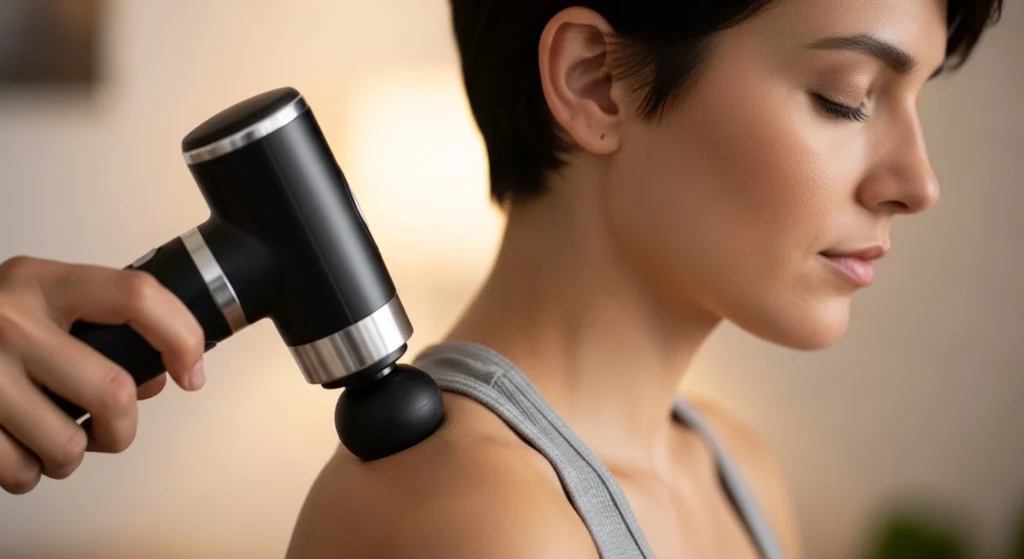
Percussion tools use a rapid “hammering” motion to treat your body. They hit the skin up to 3,000 times every single minute. This fast speed prevents your brain from focusing on the pain of the pressure. It allows the device to go deeper than a human hand ever could. These tools are perfect for large muscles like the glutes and quads. They provide the most intense version of deep tissue work available at home.
Deep Kneading Shiatsu Rollers
Shiatsu rollers use rotating nodes to mimic the circular motion of thumbs. They are best for relieving stubborn neck knots and upper back tension. The nodes grab and roll the muscle tissue to loosen the outer layers. This method is much slower and more relaxing than percussion therapy. It is ideal for people who prefer a steady, firm pressure over a fast pulse. You can lean your body weight into these rollers for a deeper effect.
Targeted Small-Joint Massagers
Some areas of your body require a much smaller and gentler approach. Your hands and knees have very thin skin and many small bones. Using top-rated hand massagers allows you to treat these delicate spots safely. These devices often use air compression and mild heat instead of hard rollers. They still reach the deep tissues but do so with much less risk. Specialized knee massage tools are also great for treating deep joint inflammation.
Best Practices for Safe At-Home Sessions
Using these powerful tools incorrectly can cause bruising or skin irritation. You must follow a few simple rules to get the best results.
Avoiding Your Bare Bones
Deep tissue massagers should only be used on thick, fleshy muscle groups. Never run a percussion tool directly over your spine or your shins. The hard impact can cause painful bone bruises or even tiny fractures. Always keep the device on the soft, “meaty” parts of your body. If the machine starts to bounce or chatter, move it to a softer spot. This keeps your sessions safe and provides the most relief.
Controlling Your Session Length
Your muscles can only handle a certain amount of deep pressure at once. Limit your work on any single muscle group to two minutes. Total session time for your whole body should stay under fifteen minutes. Overworking the tissue can lead to inflammation and extra soreness tomorrow. It is much better to do two short sessions than one very long one. Set a timer to help you stay within these safe daily limits.
Protecting Your Sensitive Skin
The friction from a moving massage head can irritate your skin quickly. Always wear a thin layer of clothing to act as a physical barrier. This stops the plastic or silicone from rubbing directly against your bare skin. If you use a handheld tool, do not press it into your body with all your weight. Let the motor and the weight of the device do the hard work for you. This prevents unnecessary bruising and makes the experience much more relaxing.
Frequently Asked Questions
Does deep tissue massage actually help pain?
Applying deep pressure is one of the best ways to stop chronic muscle aches. It works by physically changing the structure of your tightest tissue fibers. The process stops the cycle of tension that leads to daily stiffness. Most people feel a significant reduction in pain right after their first session. Consistent use provides even better results for long-term health.
How often can you use a deep tissue massager?
You can safely use these devices every single day if you stay gentle. Stick to short sessions and never target the same spot for too long. If your muscles feel bruised or very tender, take a full rest day. Listen to your body and adjust your schedule based on your recovery. Most people find that three or four times a week is the perfect balance.
Is deep tissue massage better than vibration?
Vibration is a surface-level treatment that mostly helps with relaxation. Deep tissue work is much better for fixing actual physical problems in the muscle. It breaks down adhesions and scar tissue that vibration cannot reach. If you have chronic knots, you will need the deep pressure of a massager. Vibration is a nice extra feature, but it is not a replacement for kneading.
Can deep tissue massage break up scar tissue?
The focused force of a massager can slowly soften and dissolve tough scar tissue. It works by creating tiny amounts of friction that heat the area up. This heat and pressure help the old fibers realign with your healthy muscle. While it won’t disappear instantly, you will notice the area becoming much softer. Patience and consistency are the secrets to fixing old injuries.
Why does my body hurt after a deep tissue massage?
Your body is processing waste products that were trapped in your muscles. This temporary soreness is very similar to the feeling after a hard gym workout. It means the machine successfully reached the deep layers of your tissue. Drinking plenty of water helps flush these chemicals out of your system quickly. The soreness should fade completely within twenty-four hours of your session.
Final Takeaways
Deep tissue massagers are powerful tools that provide real relief for chronic pain. They work by reaching the lowest muscle layers and breaking apart tough knots. Remember to always avoid your bones and keep your sessions relatively short. Use these devices to improve your blood flow and speed up your natural healing. By following these steps, you can maintain a flexible and pain-free body at home. Consistent care is the best way to invest in your long-term physical freedom. You have the power to fix your own muscle tension safely and effectively every day.

- Does a Hand Massager Help Rheumatoid Arthritis? - April 2, 2026
- How Deep Tissue Massagers Work for Pain Relief? - April 2, 2026
- Do Electric Face Massagers Actually Tighten Skin? - April 2, 2026