Your feet carry your entire body weight through thousands of stressful steps every single day. This constant daily pressure creates severe muscle fatigue and deep physical aches. Understanding exactly why do foot massages feel so good can completely change your recovery routine. As a physical therapist, I regularly use these techniques to help patients achieve a state of deep physical relief. This guide will explain the medical science behind feeling relaxed with foot massage. I will show you how nerve endings and improved circulation work together to melt away your daily physical tension safely.
The Anatomy of a Perfect Foot Rub
Why Your Feet Hold Heavy Tension
Your feet are highly complex mechanical structures. They contain dozens of small bones, joints, and thick bands of muscle. Every step you take forces these delicate structures to absorb massive amounts of physical shock.
Your daily footwear choices play a massive role in your overall joint health. High heels and narrow shoes force your toes into highly unnatural physical positions. This completely changes how you walk and distribute your daily body weight. When you finally take those tight shoes off, your muscles scream for physical relief.
“We treat severe arch pain every single day in the outpatient clinic,” notes Dr. Sarah Jenkins, a local podiatrist. When you rub these overworked muscles, you physically break up heavy lactic acid. This explains exactly why do foot rubs feel so good after a long shift.
How Nerves Respond to Physical Touch
The bottom of your foot is absolutely packed with sensitive nerve endings. These tiny nerves constantly send environmental feedback directly to your human brain. They tell your body about ground texture, temperature, and physical pressure.
These nerve pathways are a direct communication line to your spinal cord. When a therapist rubs your feet, they flood these nerve endings with positive signals. This wave of soothing physical information easily overpowers any existing pain signals. The brain immediately registers this touch as a highly comforting and safe experience.
This neurological response provides massive foot massage benefits for your entire body. It forces your central nervous system to quiet down and stop sending pain alerts. You start feeling comfortable with foot massage almost instantly due to this fast chemical change.
The Science of Full Body Relaxation
Shifting Your Nervous System
Your central nervous system operates in two very different primary states. You have an active stress state and a quiet resting state. Daily work stress traps most people in a constant state of high physical alert.
The fight or flight response is highly useful for escaping immediate physical danger. However, staying in this state while sitting at a desk causes severe physical damage. A good foot rub acts as a physical off switch for this dangerous stress loop.
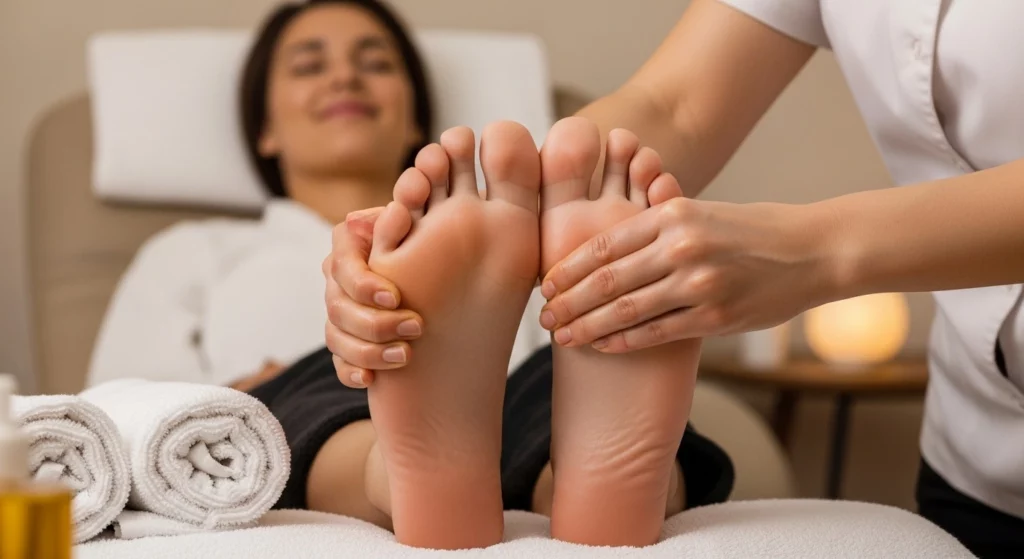
The slow, rhythmic hand movements trigger your parasympathetic nervous system to take full control. This naturally slows your resting heart rate and deepens your breathing patterns. Feeling relaxed with foot massage is a direct result of this internal system shift.
Boosting Your Natural Mood
Physical touch has a massive impact on your emotional and mental health. Applying targeted pressure to tired feet triggers the immediate release of endorphins. These are your brain’s natural, built in painkillers and mood elevators.
Here are the main chemical changes that happen during a manual session:
- Your brain releases high levels of happy endorphins for natural pain relief.
- Harmful cortisol levels drop significantly in your circulating bloodstream.
- Serotonin production increases, which helps you achieve much better sleep.
“A quiet ten minute session can completely reset a highly anxious patient,” says clinical psychologist Dr. Mark Evans. It acts as a grounding exercise to pull your thoughts away from daily worries. This is exactly why patients leave the clinic feeling incredibly happy and physically light.
Exploring Different Therapy Techniques
The Benefits of Traditional Massage
A standard manual session focuses on relieving direct muscular tension. The therapist will use long, gliding strokes to stretch out tight superficial tendons. They will also apply deep, circular pressure directly to the thick heel pad.
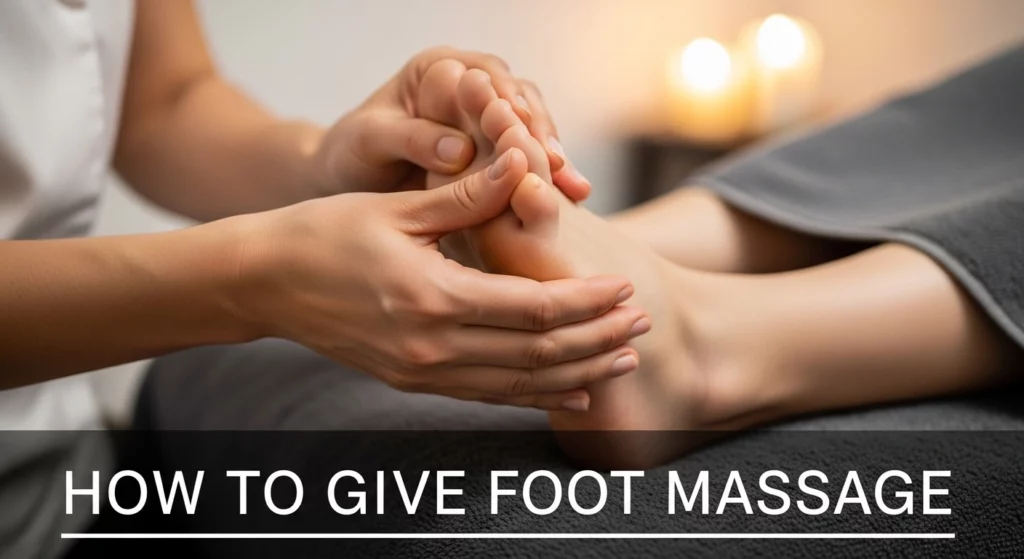
This specific approach is wonderful for treating general soreness and mild fluid swelling. If you want to learn how to give a foot massage, check out my clinical guide. It provides simple steps to help your loved ones recover at home.
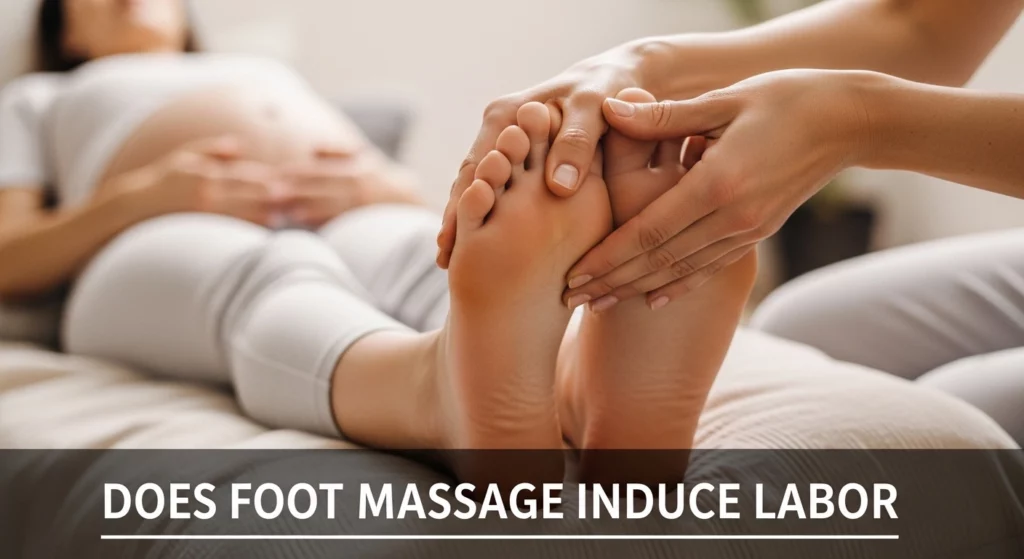
Regular therapy also helps pregnant women manage heavy fluid retention in their ankles. Some mothers even ask does foot massage induce labor during their third trimester. Always consult your primary doctor before trying any new therapy during a high risk pregnancy.
How Targeted Reflexology Works
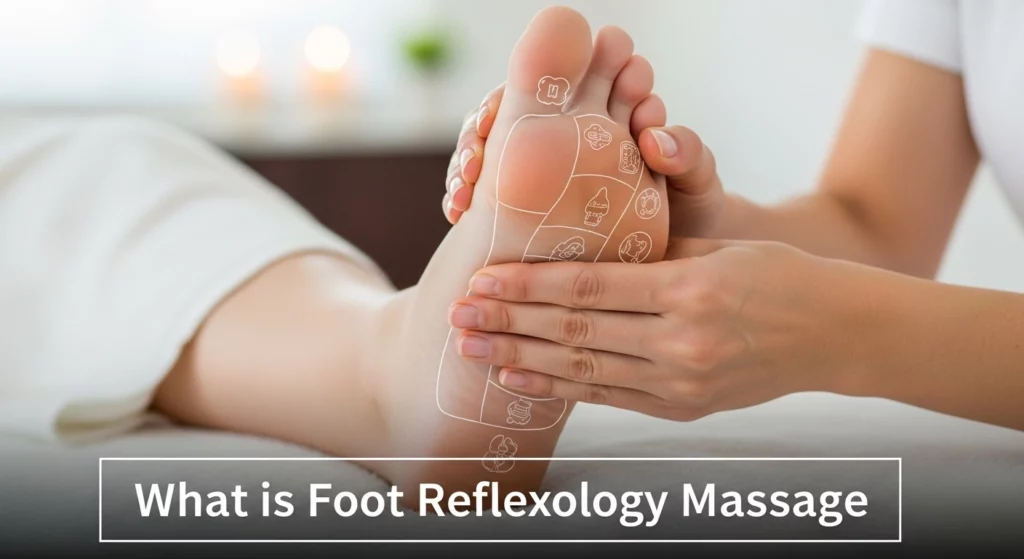
Reflexology is a highly specialized branch of manual physical therapy. Practitioners believe specific zones on the feet correspond directly to internal body organs. They use targeted thumb pressure to stimulate these exact mapped areas.
If you are wondering what is foot reflexology massage, you can read my detailed medical explanation. It is a fantastic option for treating chronic digestive issues and severe tension headaches.
This method provides a much deeper level of systemic physical healing. It focuses on restoring internal energy balance rather than just soothing sore local muscles. Many patients combine both methods to achieve maximum physical and mental relief.
The Role of Warm Heat Therapy
Applying warm heat is a fantastic way to upgrade any manual therapy session. Heat naturally causes tight, restricted muscle fibers to soften and physically expand. This makes it much easier for the therapist to work on deep muscle knots.
Many high end spas use hot stones or warm, wet towels before starting. You can easily replicate this at home by soaking your feet in warm water. A simple ten minute soak prepares the skin perfectly for oil application.
“Combining heat with manual pressure delivers the absolute best clinical results,” I always advise my patients. It provides immediate soothing relief for patients with severe joint stiffness in their toes. Always ensure the temperature is comfortable to prevent accidental skin burns.
Upgrading Your Recovery Routine
Trying Manual Therapy at Home
You do not always need a professional to get great physical relief. You can easily perform these simple techniques on yourself in your living room.
Here are a few items you need for a great home recovery session:
- A bottle of warm, skin friendly massage oil to prevent friction.
- A clean towel to wipe your feet afterward and prevent slipping.
- A comfortable chair that provides excellent lower back support.
Sit comfortably and safely cross one ankle over your opposite knee. Use your thumbs to press firmly into the tightest parts of your foot arch. Take slow, deep breaths to encourage your muscles to let go of their tension.
Using Specialized Electric Devices
Sometimes your own hands become far too tired to provide enough physical pressure. This is a common problem for people dealing with chronic arthritis or wrist pain. An electric recovery machine is a perfect solution for this exact problem.
Modern devices use mechanical rolling nodes to simulate a real human touch. They often include warm heat therapy to improve local blood circulation very quickly. Finding the best foot massager can completely transform your daily evening routine.
“A quality home device is the best backup plan for daily recovery,” I frequently tell patients. You can simply sit back, press a single button, and enjoy the physical relief. It is a highly practical investment for your long term physical health.
Frequently Asked Questions
Why do foot massages feel so good compared to other massages?
Your feet contain thousands of highly sensitive nerve endings packed into a small area. Stimulating these nerves sends a massive wave of positive, comforting signals to your brain. This creates a much faster relaxation response than massaging larger, less sensitive body parts.
Can rubbing my feet help me sleep better at night?
Yes, this therapy actively triggers your parasympathetic nervous system to take control. This naturally lowers your heart rate and drastically reduces your mental anxiety. Doing this right before bed prepares your physical body for deep, restorative sleep.
How often should I get a foot massage for the best results?
Receiving a professional session once a week is fantastic for chronic pain management. However, you can safely perform light, five minute self massage sessions every single evening. Consistency is the most important factor in preventing daily muscle stiffness.
Is it normal to feel slightly sore after a deep tissue foot rub?
It is completely normal to feel a mild, dull ache after deep tissue work. The therapist physically breaks up hard muscle knots and stagnant lactic acid. This minor soreness should completely fade away within twenty four to forty eight hours.
What is the main difference between reflexology and a regular foot rub?
A regular rub strictly focuses on relaxing local muscles and improving surface blood flow. Reflexology applies highly targeted pressure to specific zones to treat internal body organs. Both methods are highly effective but serve very different primary medical goals.
Final Takeaways
Understanding the clinical science behind physical touch helps you appreciate your body much more. The thousands of nerve endings in your feet offer a direct pathway to total relaxation. This explains exactly why you feel so amazing after a short manual session. Regular manual therapy lowers stress hormones, improves poor circulation, and melts away severe muscle tension. Start prioritizing your lower body health today. Take ten minutes tonight to sit down, apply some warm oil, and rub your tired arches.

- Does a Hand Massager Help Rheumatoid Arthritis? - April 2, 2026
- How Deep Tissue Massagers Work for Pain Relief? - April 2, 2026
- Do Electric Face Massagers Actually Tighten Skin? - April 2, 2026