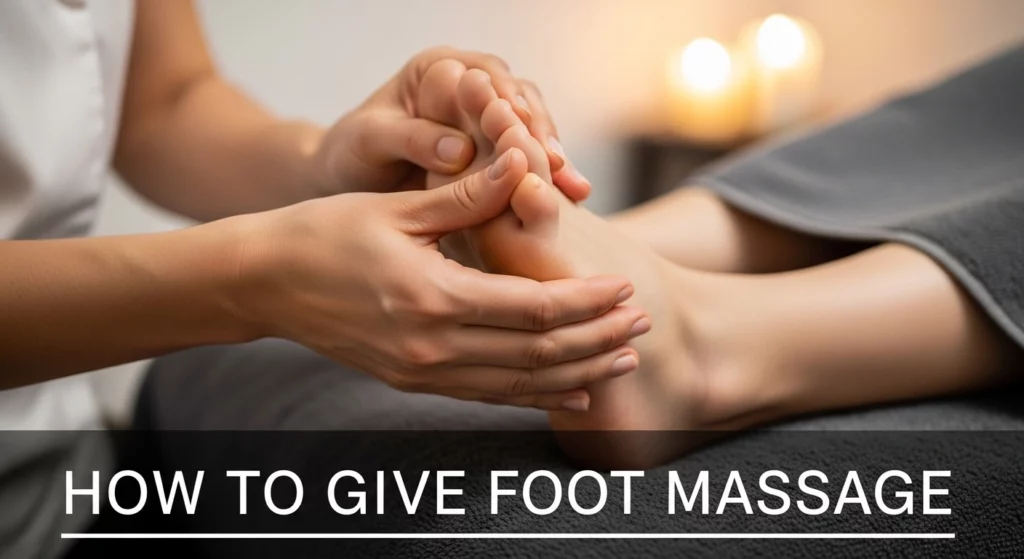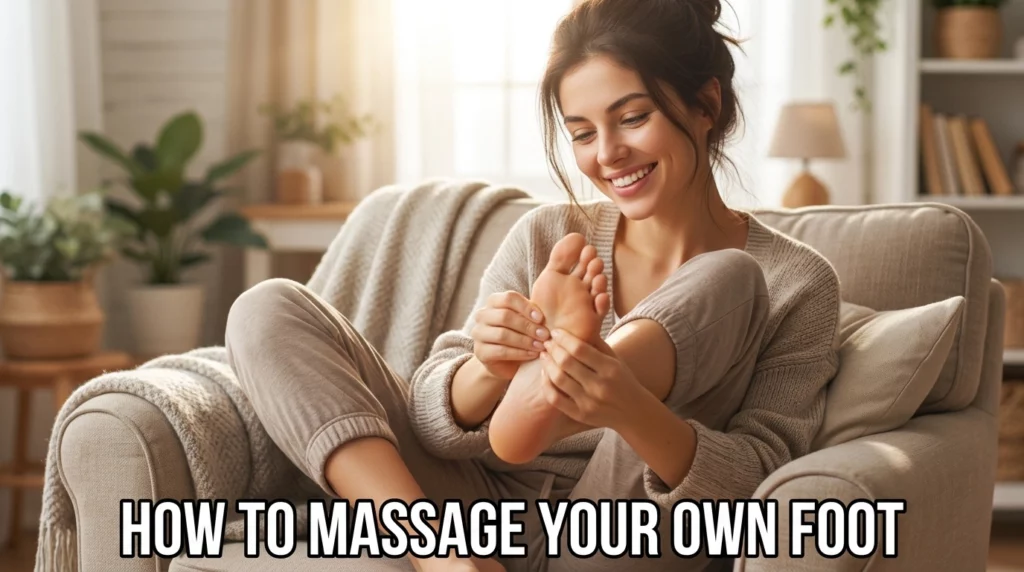
Do your arches scream in pain after standing all day? Ignoring this daily tension can quickly lead to chronic joint issues and severe discomfort. Knowing exactly how to massage your own foot is a simple way to find instant physical relief. As a physical therapist, I teach these exact manual techniques to my patients every week. This guide will show you how to safely knead tight muscles and soothe aching arches right in your living room. Read on to master these easy, relaxing steps for better lower body health.
Preparing for Your Self Foot Massage
Setting the Right Environment
Your physical recovery requires a highly comfortable environment. Sit in a supportive chair where you can easily cross one leg over your knee. You must maintain a comfortable position to avoid straining your lower back. Set the scene by dimming the lights and playing some very soft, relaxing music.
Here are three simple things to prepare before you start:
- A quiet, comfortable place to sit with good back support.
- A bottle of warm massage oil or high quality thick lotion.
- A clean towel to safely wipe your feet when you finish.
Warm up your tissues before applying any deep pressure. A warm foot bath with Epsom salt is a fantastic way to boost circulation. This simple step naturally loosens stiff joints and prepares the thick fascia for manual manipulation. Take your time to enjoy the warm water and breathe deeply.
Choosing the Best Lubricant
Using a high quality lotion or oil prevents painful skin friction. I always recommend using thick massage oils like jojoba or sweet almond. They provide a smooth glide that allows you to easily knead the arch. Standard body lotions absorb far too quickly to be highly effective.
Warm the oil in your hands before touching your skin. Cold oil will instantly shock your nervous system and cause immediate muscle guarding. “Warming your hands first makes the entire experience feel much more therapeutic,” says a senior massage therapist. This tiny detail makes a massive difference in your results.
Beginning Your Self Foot Massage
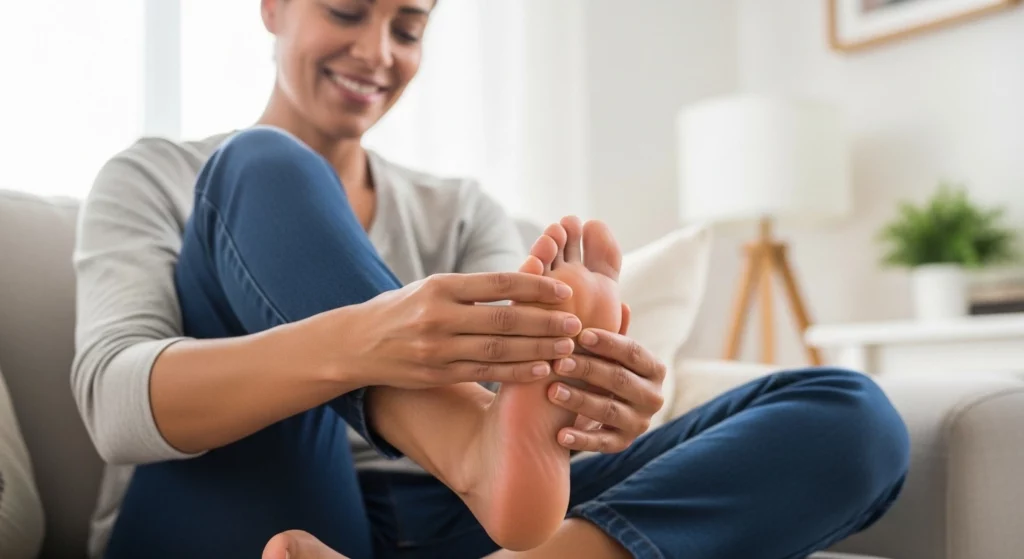
Starting with Gentle Warm Up Strokes
Never jump straight into deep tissue work. Begin your session by slowly rubbing the top and bottom of your foot. Use both hands to apply light, broad pressure from your toes down to your heel. These initial warm up strokes alert your nervous system that it is time to relax.
People often ask me why do foot massages feel so good. The answer lies in these thousands of sensitive nerve endings. Gentle, broad strokes flood your brain with highly comforting and safe physical signals. Keep your hand movements very slow and strictly consistent during this initial phase.
How to Massage Your Own Feet and Legs
True physical relief often involves the entire lower leg. If you want to learn how to massage your own legs and feet, start at the calf. Use both hands to gently squeeze the thick calf muscle. Slowly work your way down the leg toward the delicate ankle joint.
Pushing fluid down the leg helps relieve severe ankle swelling. Once you reach the ankle, use your fingertips to trace small circles around the bone. This specific motion increases local blood flow and greatly improves joint mobility. It is the perfect preparation before moving onto the actual foot.
Targeted Foot Massage Techniques
Working on the Toes and Arches
Your toes endure massive pressure inside tight shoes all day. Gently spread your toes apart to stretch the small, cramped muscles. Pull each toe very softly and rotate it in small, painless circles. This provides amazing relief for patients who suffer from chronic joint stiffness.
Next, focus your attention entirely on the thick foot arch. Support the top of your foot with one hand. Use the thumb of your opposite hand to press firmly into the sole. Slowly knead the arch in a circular motion, pushing from the heel toward the toes.
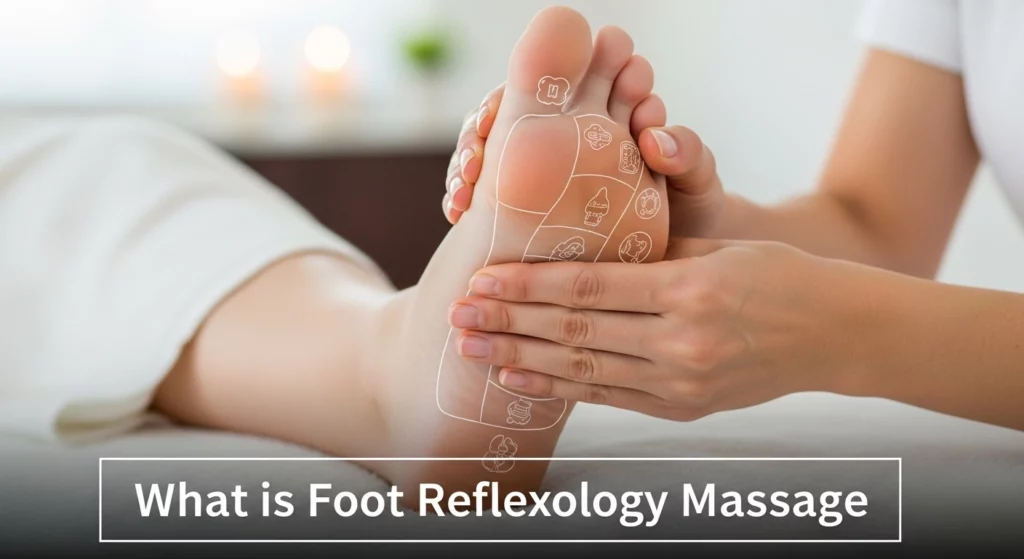
This specific action acts as a brilliant deep tissue treatment. It helps stretch the plantar fascia and prevents painful morning heel cramps. If you want to know what is foot reflexology massage, it relies heavily on pressing these specific arch zones.
Targeting the Heel and Ankle
The thick heel bone pad absorbs heavy physical shock with every single step. Hold the heel firmly in your palm and gently squeeze the sides. Use your thumb to apply deep pressure right at the base of the heel. This helps break up stagnant fluid and highly painful lactic acid.
Move your fingers back to the ankle and rotate the entire foot. Rotate your ankle clockwise five times, and then rotate counterclockwise. This actively lubricates the joint capsule and restores a normal range of motion. “Consistent joint rotation prevents stiff ankles from turning into chronic knee pain,” I constantly warn my patients.
Advanced Strategies for Pain Relief
Dealing with Plantar Fasciitis
Plantar fasciitis creates sharp, stabbing pain right at the heel base. Massaging this area requires a very specific and careful approach. You should never press directly onto the highly sensitive heel bone itself. Instead, you must focus entirely on the tight muscle band running along the arch.
Use your knuckles to slowly strip the muscle from the heel up to the toes. Apply very firm pressure to physically stretch the tight fascia band. This specific technique alleviates tension and heavily promotes rapid tissue healing. Always listen to your body and stop immediately if you feel sharp pain.
Using a frozen water bottle is another great physical trick. Roll your bare foot over the frozen bottle for ten continuous minutes. This brilliantly combines a deep tissue stretch with powerful, anti-inflammatory cold therapy.
Trigger Points and Deep Pressure
Trigger points are small, highly painful knots trapped inside the muscle fibers. Finding these knots requires very slow, intentional finger movements. Once you find a tender spot, apply direct, static pressure with your thumb. Hold that exact pressure for thirty seconds until the muscle finally releases.
It is highly common to feel a dull, radiating ache during this process. Just remember to keep breathing deeply from your stomach to encourage relaxation. Releasing these trigger points drastically improves your overall physical mobility. It is a highly effective way to treat feet after standing all day.
Finishing Your Self Foot Massage
Cooling Down the Tissues
Always finish your session with a proper physical cool down. Return to the same light, broad strokes you used at the very beginning. Gently rub the entire surface of the foot to soothe the stimulated nerves. You want to signal to your body that the therapy is now complete.
Wipe off any excess oil with a warm, damp towel. Leaving too much oil on your skin can create a dangerous slipping hazard. Put on a pair of warm, comfortable socks to keep the muscles fully relaxed. This helps your feet retain the healing warmth you just created.
Upgrading Your Recovery Tools
Sometimes your thumbs might just get too tired to apply firm pressure. If you want to learn how to give a foot massage without hand fatigue, machines are great. Top brands like RENPHO and Dr. Scholl’s offer highly effective mechanical recovery devices.
Investing in the best foot massager can safely transform your nightly routine. These machines use rolling nodes to perfectly simulate a human touch. They are highly beneficial for anyone recovering from standing all day at work. They do all the hard physical work while you just sit back.
Frequently Asked Questions
How often should I massage my own feet?
You can safely rub your own feet every single day. A short five minute session every evening heavily prevents chronic pain from building up.
How can I massage my own feet if I cannot reach them?
If reaching your feet is hard, try using a rolling wooden tool. You can simply sit in a chair and gently roll your arches over the textured ridges.
How to massage your own feet after standing all day?
Start by soaking your tired feet in warm water with Epsom salt. Then, use your thumbs to slowly knead the tight arch and thick heel pad.
Should a foot rub ever feel painful?
A proper manual therapy session should never cause sharp, agonizing pain. You might feel a dull ache on tight spots, but it should mostly feel relaxing.
Is it safe to massage a swollen foot?
You can gently stroke a swollen foot to help push fluid up the leg. However, you should avoid deep, heavy pressure until the swelling goes down completely.
Final Takeaways
Taking care of your lower body is a very smart daily habit. You now know exactly how to massage your own foot for quick physical relief. These simple techniques boost local circulation, relieve deep tension, and calm your nervous system. Make sure to use warm oil and always listen closely to your physical limits. Take ten minutes tonight to sit down, apply some lotion, and soothe your tired arches.

- Does a Hand Massager Help Rheumatoid Arthritis? - April 2, 2026
- How Deep Tissue Massagers Work for Pain Relief? - April 2, 2026
- Do Electric Face Massagers Actually Tighten Skin? - April 2, 2026