That first step out of bed often feels exactly like stepping on sharp glass. This intense morning agony represents the classic physical sign of severe fascia inflammation. Many of my physical therapy clinic patients struggle with this debilitating foot condition daily. They constantly ask what causes plantar fasciitis and can a foot massager help treat it safely at home.
As a clinical medical expert, I see how repetitive physical stress rapidly breaks down healthy tissue. The thick band supporting your foot arch simply cannot withstand constant, unmanaged physical overload. Understanding the true biological root of your sharp heel pain remains your first step toward recovery. Let us explore the specific medical triggers and evaluate mechanical therapy as a safe treatment option.
Understanding What Causes Plantar Fasciitis
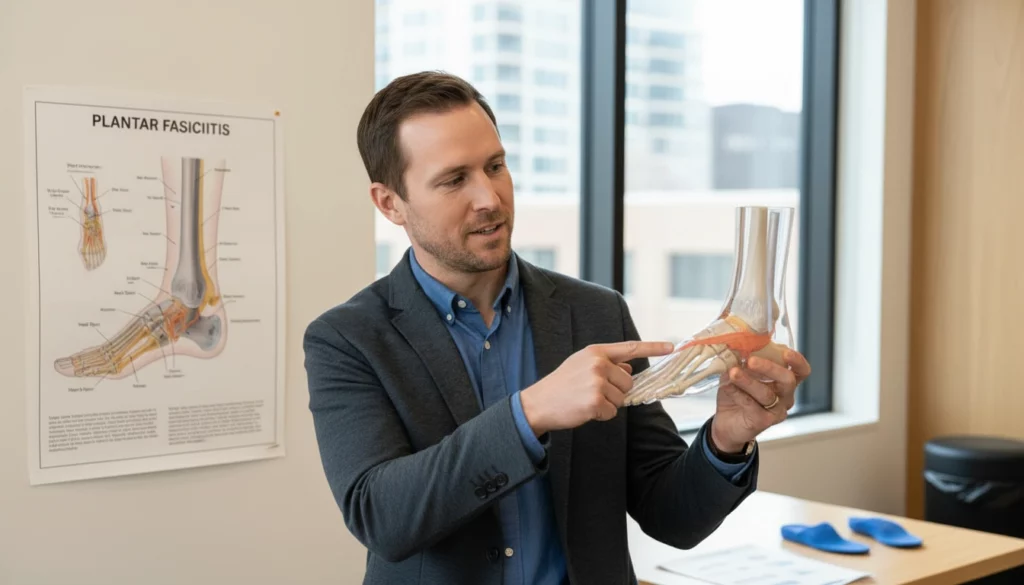
The plantar fascia is a thick, highly durable band of connective tissue on your foot bottom. It connects your heel bone directly to the base of your front toes. This strong ligament acts as a natural shock absorber during your daily physical movement. Plantar fasciitis causes heel pain when this specific tissue sustains tiny, microscopic tears over time.
Overuse inflames the plantar fascia heavily and breaks down the internal cellular structure. Your immune system reacts to these sudden microtears with highly painful soft tissue inflammation. This localized internal swelling leads directly to chronic heel pain that disrupts your daily life. When you ignore this severe tissue damage, a painful calcium deposit called a heel spur may eventually develop.
Common Triggers For Fascia Inflammation
Several distinct lifestyle factors put excessive, unsafe pressure on your highly sensitive foot arches. Prolonged standing on hard concrete floors easily triggers severe heel pain for many adults. Factory workers, nurses, and retail employees frequently develop this specific overuse injury from constant stress. The relentless gravitational force simply wears down the protective tissue fibers far too rapidly.
Tight calf muscles increase foot tension significantly during normal daily walking. A stiff Achilles tendon pulls aggressively on the back of your heel bone constantly. This constant upward pulling stretches the plantar fascia far beyond its normal physical limits. Stretching exercises relieve plantar fascia stress by safely loosening these highly connected lower leg muscles.
Poor footwear contributes to foot strain constantly and promotes rapid tissue degeneration. Shoes without proper arch support force your foot to flatten out unnaturally during movement. This mechanical failure places immense stress on foot tissue with every single forward step. Supportive footwear physically prevents the arch collapse that causes severe fascia strain.
Can A Foot Massager Help Treat Plantar Fasciitis?
Patients desperately seek targeted pain relief to manage plantar fasciitis symptoms safely at home. Mechanical therapy devices offer a highly practical way to address this painful, chronic foot condition. A high-quality electric foot massager applies consistent, targeted mechanical pressure to your sore arch.
Foot massagers stimulate blood circulation directly around the severely inflamed fascia tissue. This increased healthy blood flow delivers healing oxygen and vital nutrients to the damaged microtears rapidly. Improved local circulation helps to successfully reduce inflammation and accelerate tissue recovery naturally.
Massage therapy reduces muscle tension across your entire tight lower leg. Foot rollers massage the arch to physically break down painful, stiff muscle knots safely. This specific deep tissue massage successfully takes heavy physical pressure off the heel bone. If you are currently researching supportive mechanical devices, you should always prioritize models with variable pressure controls.
Mechanical Action On The Foot Arch
Using an electric massager effectively mimics professional, hands-on fascia release techniques. The spinning internal nodes apply deep, pressure-relieving friction to the bottom of your sore foot. This specific mechanical physical action stretches the tight fascia fibers safely and gently. Rolling out the fascia actively restores natural physical flexibility to your highly stiff foot arch.
Pressure therapy improves tissue recovery by flushing out stagnant, highly painful inflammatory fluid. This physical flushing process safely reduces the severe swelling responsible for daily heel pain. You must ensure you are building a daily recovery routine that supports tissue healing without overworking the foot.
Some physical therapy patients also utilize a percussion massager to treat highly stubborn calf muscle tension. This rapid mechanical tapping easily breaks up tight muscle fibers located high in the lower leg. Releasing this calf tension directly relieves upward mechanical pressure on the sensitive heel bone below.
Safe Strategies To Relieve Heel Pain At Home
Mechanical massage provides excellent natural pain management, but it requires a very careful clinical approach. You must always start on the absolute lowest intensity setting to protect your inflamed tissues. Aggressive deep tissue massage on a highly sensitive arch will only aggravate your painful symptoms.
You must focus on gentle nerve stimulation and steady circulation improvement first. Learning specific tissue manipulation methods guarantees you target the exact biological source of your pain. Combining this targeted massage therapy with custom orthotic inserts provides outstanding long-term relief safely.
Ice therapy also plays a massive role in a complete daily recovery routine. Applying cold ice packs safely constricts blood vessels to reduce sharp pain and heavy swelling immediately. You can safely massage your foot muscles directly after completing a short, ten-minute icing session.
The Importance of Consistent Tissue Recovery
Healing chronic foot conditions requires immense daily patience and highly consistent medical management. You cannot expect a single mechanical massage session to cure months of severe repetitive stress. You must actively commit to supporting the natural arch of your foot every single day.
Daily mechanical stimulation physically prevents the fascia from tightening up severely while you sleep. This evening physical relaxation routine significantly reduces that terrible first-step pain in the morning. Consistent daily medical care is clinically proven to improve mobility and reduce overall foot discomfort.
Consulting a podiatrist or a licensed physical therapist ensures your home treatment plan remains completely safe. An orthopedic specialist can accurately diagnose the exact medical severity of your tissue damage. Professional medical guidance heavily helps you avoid further physical injury while using home recovery tools.
Frequently Asked Questions
Why is the first step in the morning highly painful?
The severe morning pain occurs because your damaged plantar fascia physically contracts and shortens during sleep. When you take your first step out of bed, your entire body weight forces this stiff tissue to stretch rapidly. This sudden, violent mechanical stretching physically rips the healing microtears open all over again. A gentle evening massage helps keep the tissue loose and flexible to prevent this severe morning contraction entirely.
Will an electric foot massager cure my chronic heel pain completely?
Electric massagers serve as a highly effective daily pain management tool, not a permanent medical cure. They successfully stimulate blood circulation and heavily reduce muscle tension in your lower extremities safely. However, you must actively address the root biological causes of your foot strain to heal completely. You must combine mechanical massage therapy with supportive footwear, daily calf stretching, and healthy weight management.
How do tight calf muscles affect the plantar fascia directly?
Tight calf muscles create a severe biomechanical chain reaction that damages your entire foot structure. Your thick calf muscles connect directly to your Achilles tendon, which attaches to your heel bone. When the calf is highly stiff, it pulls the heel bone backward constantly during normal walking. This backward pulling heavily increases the physical tension on the plantar fascia attached to the bottom.
Can targeted massage therapy aggravate my inflamed fascia tissue?
Aggressive mechanical pressure applied directly to a highly inflamed heel will definitely worsen your tissue damage. You must never forcefully grind hard massage rollers into a severely painful, swollen heel bone. You should strictly focus the mechanical massage on the fleshy center of your foot arch instead. Always use gentle, low-impact settings to safely stimulate circulation without causing accidental deep tissue bruising.
Should I use ice therapy before or after a deep tissue massage?
You should generally apply ice therapy after you finish your daily mechanical foot massage session. The mechanical massage actively warms up the foot tissues and heavily increases local blood circulation safely. Applying ice afterward safely calms down any minor soft tissue inflammation stirred up by the deep friction. This specific clinical combination provides excellent relief from heel pain and heavily speeds up tissue recovery.
Final Takeaways
Successfully managing chronic foot conditions requires addressing the biological root of the heavy tissue strain. Prolonged standing, unsupportive shoes, and tight lower leg muscles directly cause severe fascia inflammation safely. Mechanical therapy tools successfully relieve foot pain by boosting circulation and physically relaxing tight arch muscles. You must consistently use these electric devices on gentle settings to avoid aggravating the delicate microtears. Combining daily mechanical massage with active physical stretching provides the safest path to long-term physical recovery.

- Does a Hand Massager Help Rheumatoid Arthritis? - April 2, 2026
- How Deep Tissue Massagers Work for Pain Relief? - April 2, 2026
- Do Electric Face Massagers Actually Tighten Skin? - April 2, 2026