Can Foot Massagers Be Dangerous?
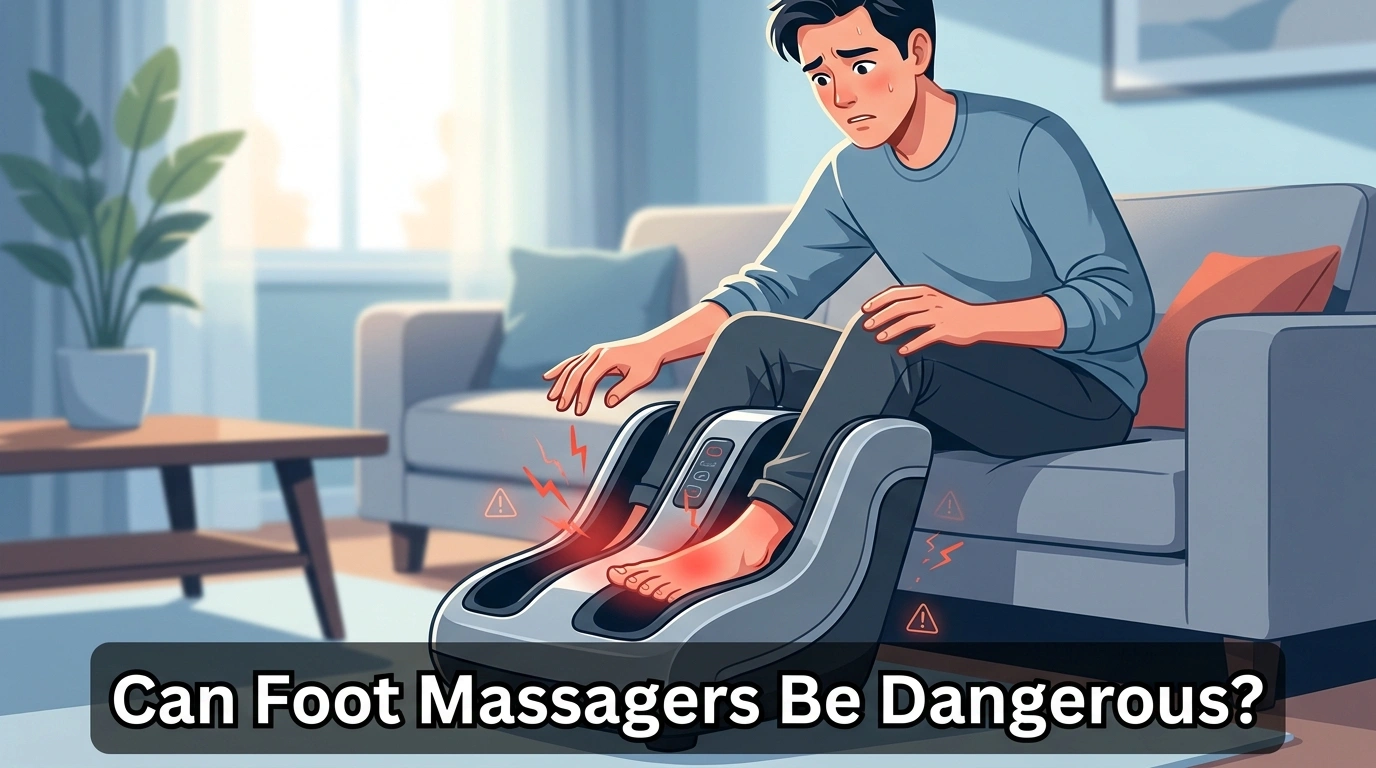
Do you quickly turn on your electric massager every single time your feet hurt? While these popular devices offer great physical relief, you might wonder can foot massagers be dangerous. As a physical therapist, I often see clinic patients who accidentally aggravate an underlying condition. Using these machines requires basic knowledge of your own medical history to prevent accidental injury. I will help you identify the most common risk factors and teach you proper usage habits. Read on to learn how to protect your feet while still enjoying deep daily relaxation.
Understanding the Risks of Mechanical Massage
When Pressure Becomes a Real Problem
Mechanical devices like those from HoMedics or RENPHO apply firm pressure to your muscles. This targeted pressure is normally great for healthy adults experiencing minor daily fatigue. However, excessive pressure can quickly become dangerous if you have a pre-existing condition.
Many people mistakenly believe that high pressure always equals better muscle recovery. They max out the intensity settings trying to force a stubborn muscle knot to release. This aggressive approach can easily bruise the delicate soft tissues along your foot arch. “Forcing a muscle to relax through pain is a recipe for serious injury,” warns Dr. Emily Chen, a podiatrist.
You must learn to respect your physical limits when using mechanical devices. Applying excessive pressure to sensitive areas will only worsen symptoms and prolong your healing time. You should always use the device with caution and monitor your symptoms very closely.
The Danger of Peripheral Neuropathy
Patients with diabetes often suffer from a specific condition called peripheral neuropathy. This medical condition causes severe nerve damage in the lower legs and feet. This nerve damage drastically reduces your ability to feel pain, heat, or cold.
Using a foot massager safely becomes very complicated when you cannot feel the pressure. You might accidentally leave your feet inside the machine for far too long. The hard plastic rollers can easily cause deep tissue damage without you even noticing.
If you lack normal nerve sensitivity, you should probably avoid mechanical massagers entirely. Learning how to massage your own foot manually is a much safer alternative. Your own hands give you complete control over the pressure and heavily minimize your physical risk.
Specific Medical Conditions to Monitor Closely
Deep Vein Thrombosis and Blood Clots
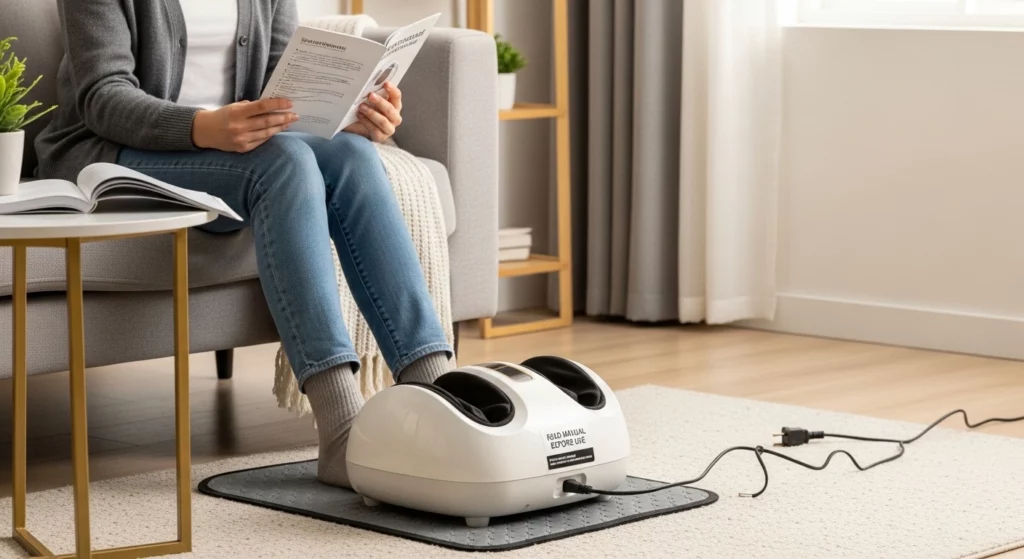
Deep vein thrombosis is a highly serious condition involving blood clots in the legs. You must absolutely avoid using any leg or foot massagers if you have this condition. The physical kneading motion can easily dislodge a resting blood clot.
If a blood clot breaks free, it can travel directly to your lungs or your heart. This creates a highly life threatening medical emergency that requires immediate hospitalization. Always seek medical advice promptly if you experience sudden, unexplained leg swelling or severe warmth.
I constantly remind my patients that a massage should never replace proper medical care. You must rule out any dangerous circulatory issues before starting a new home recovery routine. It is always better safe than sorry when dealing with your vascular health.
Managing Severe Plantar Fasciitis
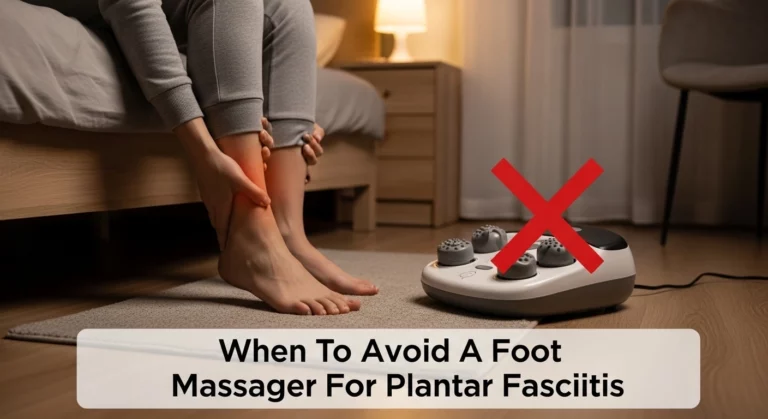
Plantar fasciitis involves painful, acute inflammation of the thick tissue band under your foot. While gentle stretching is helpful, an aggressive massage can actually aggravate this podiatric condition. Hard plastic rollers digging into an inflamed heel will instantly flare up your daily pain.
You should apply pressure gently to the arch and strictly avoid the painful heel bone. If the machine feels too intense, simply turn it off and apply a cold ice pack. Cold therapy is highly effective for reducing acute inflammation after standing all day.
If you are currently researching the best foot massager for your home, look for adjustable settings. A machine with very light, gentle settings is much safer for inflamed foot tendons. Customizable devices allow you to manage pain without causing further tissue damage.
Understanding General Circulatory Issues
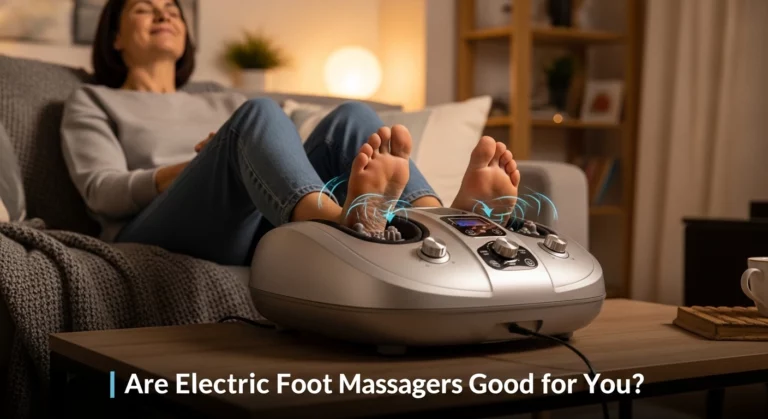
People with poor circulation often struggle with chronically cold feet and swollen ankles. While a massager can temporarily increase circulation, it does not cure the underlying condition. You must understand exactly are electric foot massagers good for you in your specific medical situation.
If you have severe vascular disease, the aggressive squeezing of air compression bags can be harmful. It can place far too much physical stress on your weakened blood vessels. You should always consult your primary doctor to determine if mechanical compression is safe.
Your doctor can easily identify your personal risk factors and provide safe guidelines. They might recommend light walking or swimming instead of using a heavy mechanical device. Always seek professional advice before starting any new, at-home physical therapy program.
Foot Massager Cons Explained
The High Risk of Muscle Overuse
One of the biggest foot massager cons explained is the high risk of simple overuse. Because the machines feel so nice, people often leave their feet inside for hours. This constant mechanical friction leads to highly painful skin abrasions and deep muscle bruising.
Most physical therapists recommend limiting your daily sessions to just fifteen or twenty minutes. This gives your soft tissues plenty of time to rest and recover properly. Overworking the muscles will simply leave your feet feeling much worse the next morning.
Here are a few clear signs that you are overusing your recovery device:
- Your foot arches feel highly tender or bruised the next morning.
- The skin on your heels looks red, raw, or physically irritated.
- Your daily foot pain actually increases after using the machine.
Improper Use of High Heat Settings
Many modern devices include built in heat therapy to soothe aching joints. However, leaving the heat on the highest setting can easily cause severe skin burns. This is especially true for elderly patients who have very thin, delicate skin.
You should never use the heat function if you have an open wound or an active infection. Heat actively increases local blood flow, which can spread a bad infection much faster. Always inspect your feet for cuts or blisters before placing them inside any dark machine.
Many people wonder why do foot massages feel so good when using heat. The warmth naturally relaxes your nervous system, but you must monitor it closely. Check your skin every five minutes to ensure it is not getting too hot.
Tips for Using a Foot Massager Safely
Start Slow and Listen to Your Body
The absolute best way to prevent injury is to start on the lowest possible settings. Let your feet slowly adapt to the mechanical movement for a few short minutes. If the pressure feels completely comfortable, you can slowly increase the physical intensity.
You must always listen to your body during any home therapy session. If you feel any sharp, shooting, or agonizing pain, stop the machine immediately. A recovery tool should never make you grit your teeth in physical agony.
Wear a pair of clean, thin socks to protect your skin from the rotating nodes. This simple barrier heavily reduces friction and keeps the inside of the machine very clean. Hygiene is highly important to prevent annoying fungal infections from building up inside.
When to Consult Your Primary Doctor
You must check with a doctor if your foot pain lasts longer than two full weeks. A machine cannot fix broken bones, torn ligaments, or severe structural issues. Trying to massage away a stress fracture will only make the bone damage much worse.
If you have a high-risk pregnancy, you must also consult your doctor promptly. Some manual pressure points are thought to stimulate early uterine contractions. You should always err on the side of caution to protect your unborn baby.
Taking responsibility for your own physical health is a highly rewarding daily habit. Just remember that you use these over-the-counter devices entirely at your own risk. Use your common sense and never ignore a worsening medical symptom.
Frequently Asked Questions
Are foot massagers safe for daily use?
Yes, they are completely safe for daily use if you are a generally healthy adult. You should limit your sessions to twenty minutes to prevent deep muscle bruising. Always use the lowest intensity settings if you have sensitive foot arches.
Can you use electric foot massager safely with diabetes?
Patients with diabetes should only use these machines after getting clearance from their doctor. Nerve damage makes it very hard to feel if the device is causing physical injury. Many doctors prefer manual therapy over mechanical devices for these specific patients.
What are the main foot massager cons explained?
The biggest drawbacks include the potential for skin burns from high heat settings. They can also cause severe muscle bruising if you use the maximum pressure setting constantly. Finally, they can be highly dangerous for people with untreated blood clots.
Will a foot massager make plantar fasciitis worse?
It can definitely make the pain worse if you apply aggressive pressure directly to the heel. You should only use light pressure along the main arch of your foot. Using a cold ice pack is often better for reducing acute morning inflammation.
Should I use a massager if my feet are visibly swollen?
Mild swelling from standing all day responds very well to light mechanical massage. However, severe swelling with redness or heat requires immediate medical attention from a doctor. Never use a machine to treat unexplained, sudden swelling in your lower legs.
Final Takeaways
Taking care of your aching feet should always be a highly relaxing and safe experience. You now understand can foot massagers be dangerous if used improperly at home. Always monitor your physical symptoms closely and respect your own pain limits during a session. If you have conditions like diabetes or severe vascular disease, please consult your doctor first. Make smart, informed choices to ensure your home recovery routine remains completely safe and effective.

- Best Heating Pads for Back Pain: Electric, Cordless, or Microwavable? - October 9, 2026
- How Do Air Purifiers Work? Inside the Filtration Process - October 9, 2026
- How to Use a Massage Gun: A Safe Guide for Beginners - October 7, 2026