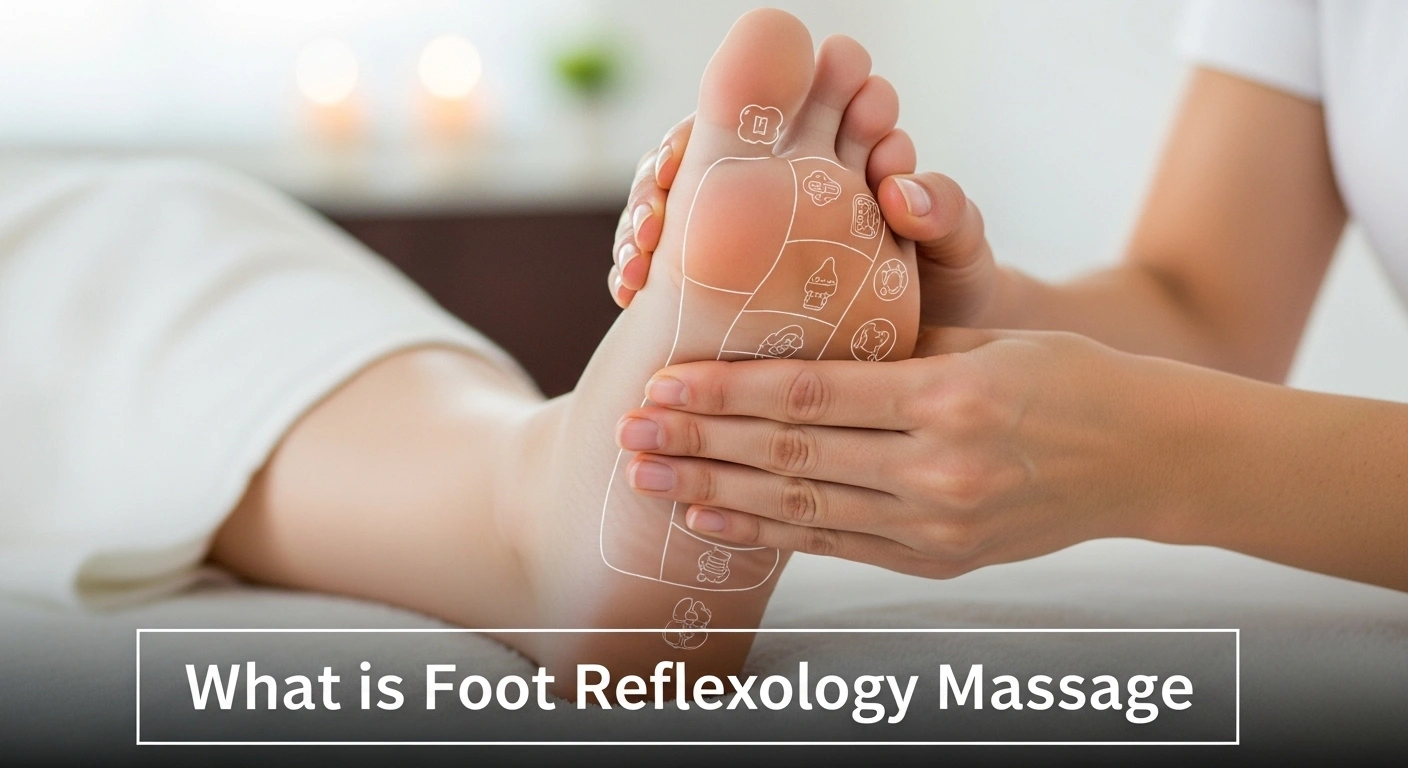
What Is Foot Reflexology Massage?
Do you constantly suffer from sharp foot pain and daily mental stress? Finding a natural healing method can feel completely overwhelming today. You might be wondering exactly what is foot reflexology massage and how it helps. As a physical therapist, I use this ancient healing practice to help patients restore physical balance. This specific holistic therapy involves applying targeted pressure to specific points on your feet. Keep reading to learn how this technique differs from a standard rub and how it improves your daily wellness.
Understanding the Reflexology Meaning
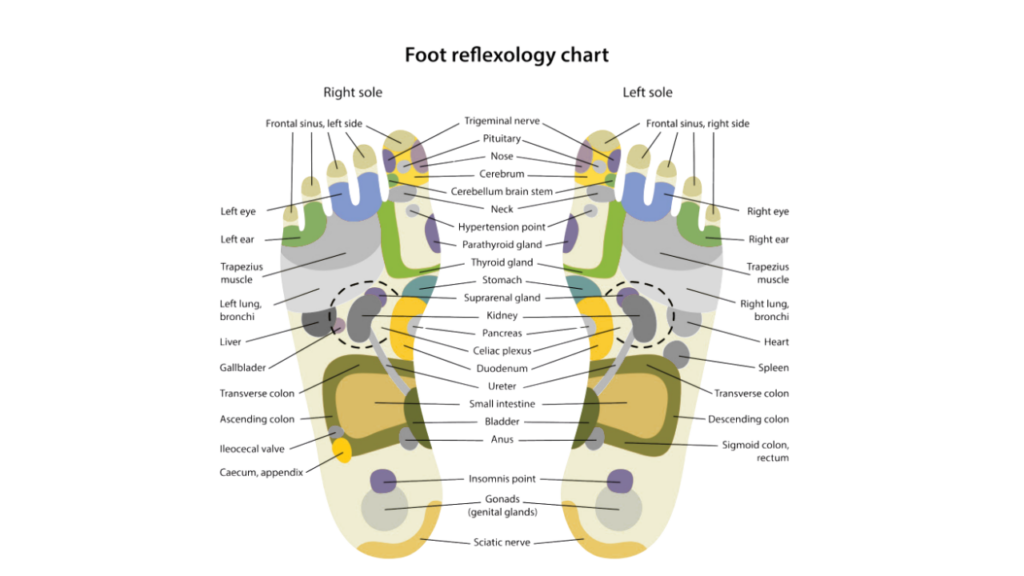
What is Foot Reflexology?
Many people ask me what a foot massage is called when it targets specific organs. The clinical answer is foot reflexology. This holistic approach is strictly based on reflex zone theory. Practitioners believe that specific reflex zones on your feet directly correspond to different body organs.
By stimulating these specific pressure points, we can gently influence your entire nervous system. It is much more than just a simple, relaxing muscle rub. It is a highly effective complementary medicine technique used globally by trained professionals.
The human foot contains thousands of highly sensitive nerve endings. These tiny nerves connect directly to your brain and your spinal cord. “This mind-body connection helps the central nervous system naturally reduce heavy stress,” notes a local reflexologist I regularly work with.
Foot Reflexology Vs Foot Massage
You might be curious about the main difference between these two popular treatments. A standard foot massage focuses primarily on relaxing tight muscles and improving local blood circulation. It feels deeply relaxing and helps relieve daily physical tension in the arches and heels.
Reflexology is completely different from a traditional, Swedish style massage. It works systematically to address internal organ function and overall body health. The practitioner will focus on very specific points using only their thumbs and fingers.
They use a detailed reflex zone mapping chart to accurately guide their hand movements. A regular massage just rubs the surface muscles for broad, general relaxation. Reflexology uses sustained, targeted pressure to restore balance to your complex internal systems.
Choosing the Right Therapy for You
Your personal health goals determine which physical therapy is truly best for you. If you simply want to relax sore muscles after work, a standard massage is perfect. If you want to address systemic health issues, you should choose targeted zone therapy.
Many clinic patients actually benefit from combining both of these helpful techniques. You can start with broad strokes to quickly warm up the superficial foot tissues. Then, you can apply firm pressure to specific reflex zones for deeper healing.
I always encourage my patients to listen closely to their own bodies. If one specific method feels better, you should stick with that routine. Your physical comfort is always the most important factor in any healing journey.
The Therapeutic Benefits of Zone Therapy
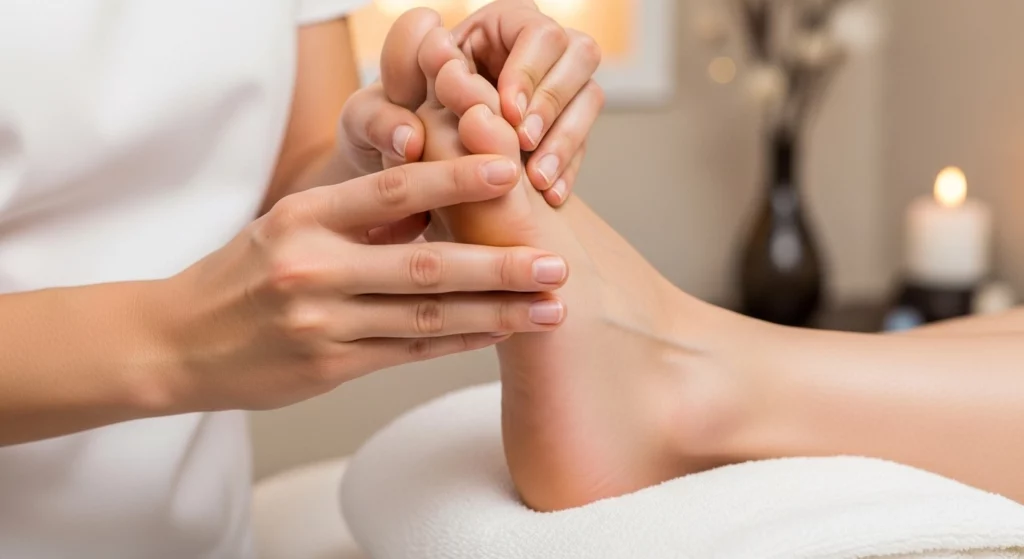
What Does a Foot Massage Do for You?
A proper foot massage provides immediate, physical relief for tired, aching muscles. It physically stretches out shortened tendons after a long day of standing or walking. Improved blood circulation quickly helps flush out painful lactic acid from your lower legs.
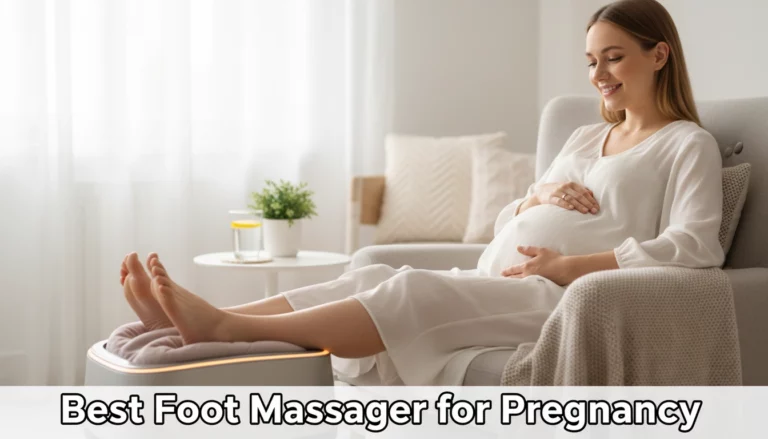
Many patients ask me what foot massage is good for clinically. It is highly effective for reducing painful fluid swelling around your delicate ankles. If you are pregnant, you might even wonder does foot massage induce labor. You can read my full, detailed guide on that specific medical topic.
Regular manual therapy also helps perfectly prevent future foot and ankle injuries. It keeps the heavy connective tissues in your feet highly flexible and healthy. You can easily perform these simple techniques at home to promote relaxation before bedtime.
What Does Foot Reflexology Do?
Reflexology aims to treat the whole human body, not just the isolated feet. Patients often report feeling a very deep sense of internal calm during a session. This natural healing method drastically lowers harmful cortisol levels circulating in your bloodstream.
It is incredibly beneficial for people suffering from chronic tension headaches or severe digestive issues. By targeting specific organs through the feet, the body begins to heal itself naturally. “We see amazing improvements in chronic sleep disorders using these exact methods,” says Dr. Emily Chen, a holistic medicine expert.
The therapy also safely helps clear blocked neural pathways in the body. This allows your nervous system to communicate much more efficiently every day. It is a very safe and entirely non-invasive way to improve your overall wellness.
The History of These Natural Healing Methods
Ancient Roots of Zone Therapy
People have used these natural healing methods for many thousands of years. Historical records show that ancient Egyptian cultures practiced forms of early zone therapy. They strongly believed that working on the feet could heal the entire human body.
These ancient practitioners understood the deep mind-body connection very well. They mapped out specific pressure points long before modern diagnostic medicine ever existed. The physical techniques were passed down through many generations to promote general wellness.
Today, we intelligently combine this ancient wisdom with modern, scientific anatomical knowledge. This beautiful blend creates a highly effective holistic approach for modern physical therapy patients.
Modern Integration in Physical Therapy
In modern clinical settings, we very often blend these healing techniques together. A physical therapist might use standard massage to loosen tight superficial muscles first. Then, they will carefully apply targeted pressure to specific, mapped reflex zones.
This combined approach yields fantastic, measurable results for chronic pain patients. It carefully addresses both the immediate physical tension and underlying nervous system imbalances. We always focus on treating the actual root cause of the physical discomfort.
Many traditional medical professionals now highly respect this complementary medicine approach. It offers a very safe, completely drug-free alternative for managing daily physical stress.
Trying These Techniques at Home
Using Targeted Pressure Yourself
You do not always need to visit an expensive health spa to get relief. You can easily stimulate pressure points on your own feet at home today. Start by sitting in a comfortable chair and safely crossing one leg over your knee.
Use your opposite thumb to press firmly into the direct center of your foot arch. Hold this targeted pressure for about ten full seconds and take a deep breath. Release the pressure slowly and safely repeat this process on different foot areas.
Here are a few tips to make your home sessions highly effective.
- Always wash your feet in warm water before starting the physical therapy.
- Use a high quality lotion to prevent painful and damaging skin friction.
- Breathe deeply from your stomach to encourage full physical relaxation.
Upgrading Your Home Recovery
Sometimes your hands get much too tired to apply enough physical pressure. This is a very common problem for my older, arthritic clinic patients. Buying a high quality mechanical device is a great way to quickly solve this issue.
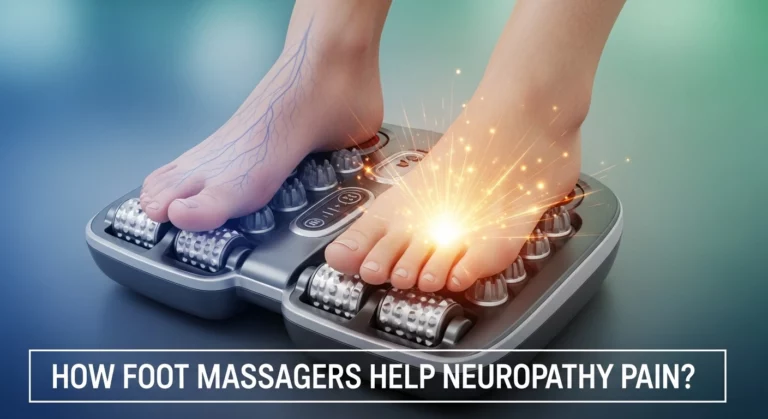
You might want to research the best foot massager for your specific recovery needs. Modern machines use rolling plastic nodes to stimulate reflex zones perfectly and safely. They provide consistent, deep pressure that beautifully mimics a real, trained human therapist.
Many of these devices also include very warm, soothing heat therapy. This gentle heat helps quickly loosen stiff joints and improves local circulation very rapidly. It is a truly amazing financial investment for your long term physical health.
Frequently Asked Questions
What is foot reflexology good for?
It is highly effective for reducing severe anxiety and improving your overall sleep quality. Many people also use it to manage chronic pain and relieve daily digestive issues. It provides a highly relaxing holistic approach to daily wellness and health.
What can a reflexologist tell from your feet?
A trained reflexologist can feel crunchy areas or severe stiffness in specific zones. They believe these physical blockages indicate imbalances in the corresponding internal body organs. They cannot legally diagnose medical conditions, but they can easily identify heavy physical tension.
What happens during a foot massage?
During a standard session, a therapist will use smooth, gliding strokes over your skin. They will physically stretch your toes and deeply knead the thick foot arches. The main goal is to safely relieve local muscle tension and improve local circulation.
What does foot massage include?
A standard session usually includes warming the skin with a soothing, natural oil. It involves deep tissue kneading, gentle ankle rotations, and very soft toe pulling. Most trained therapists also apply broad physical pressure to the thick heel pad.
Is reflexology ever painful?
This holistic therapy should never cause sharp, shooting, or agonizing physical pain. You might feel some mild, dull tenderness when a blocked reflex zone is pressed. You should always tell your massage therapist if the physical pressure feels too intense.
Is reflexology safe for everyone?
It is generally very safe for the vast majority of normal, healthy adults. However, people with severe blood clots or open foot wounds should completely avoid it. Always ask your primary doctor before starting any new, unproven holistic therapy routine.
Final Takeaways
Understanding exactly what is foot reflexology massage can transform your entire daily health routine. This ancient healing practice offers an amazing way to reduce severe stress completely naturally. Whether you choose a simple muscle rub or targeted zone therapy, both options provide excellent physical relief. Take ten short minutes tonight to sit down and gently massage your own arches. Listening carefully to your body and taking time for physical recovery is the best decision you can make today.

- How to Speed Up Muscle Recovery: Beyond Rest and Stretching - August 13, 2026
- Best Piercing Pillows: Which Ones Actually Relieve Pressure? - August 11, 2026
- Best Red Light Therapy Panel: Expert Picks for Home Use - August 5, 2026