Author: Aashan Javed Khan
Affiliate Disclosure: This article contains Amazon affiliate links. As an Amazon Associate, I earn from qualifying purchases.
Table of Contents
Introduction
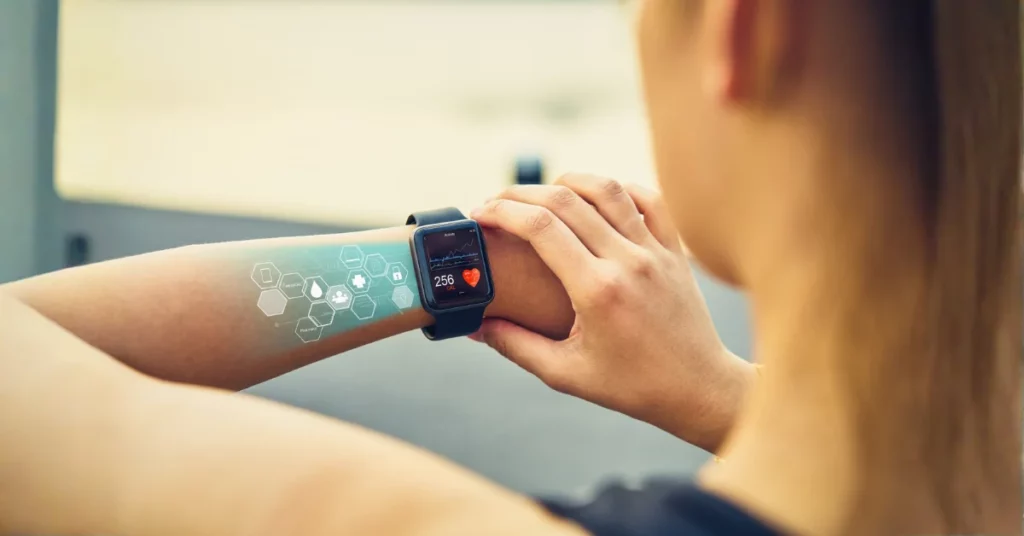
Wearable health technology, from smartwatches to smart rings have exploded in popularity over the last decade. Devices now claim to monitor everything from heart rate and sleep quality to stress levels and blood oxygen. But how much of this is backed by science, and what should consumers realistically expect?
In this article, we will explore the science behind wearable health technology, including the accuracy of metrics, clinical validation, and real-world usefulness. By the end, you will understand which devices provide actionable health insights and which may be more marketing hype than medical guidance.
Medical Disclaimer
I am not a doctor. The content of this article is for informational and educational purposes only. Wearable devices should not replace professional medical advice or diagnostic tests. Always consult your physician before making health decisions based on wearable data.
What is Wearable Health Technology?
Wearable health technology refers to devices worn on the body that collect data related to health and fitness. These devices typically include:
- Smartwatches: e.g., Apple Watch, Samsung Galaxy Watch
- Smart rings: e.g., Oura Ring, Motiv Ring
- Fitness trackers: e.g., Fitbit, Garmin Vivosmart
- Specialized devices: e.g., continuous glucose monitors (CGM), ECG monitors
These devices generally measure heart rate, steps, calories, sleep, blood oxygen, and HRV. Some also include temperature tracking, respiratory rate, and ECG capabilities.
Why it matters:
Wearable health devices provide continuous, non-invasive monitoring, enabling users to identify trends, detect anomalies, and optimize wellness routines.
Accuracy of Wearable Devices
Heart Rate Tracking
Most modern devices use photoplethysmography (PPG) to measure heart rate by detecting blood flow changes. Studies show that PPG-based wearables are highly accurate at rest but can have variability during intense exercise.
Expert Quote:
Dr. John Higgins, cardiologist:
“Wearable heart rate monitors provide excellent trend data for personal wellness but are not a substitute for clinical ECG when diagnosing heart conditions.”
Sleep Tracking
Sleep tracking is often based on movement and heart rate patterns. Devices like the Oura Ring Gen 3 have been validated against polysomnography, the gold standard in sleep research, for tracking sleep duration and stages. Accuracy for sleep staging varies, with occasional misclassifications in individuals with irregular sleep schedules.
Heart Rate Variability (HRV)
HRV reflects the balance of the autonomic nervous system and stress recovery. Wearables can measure HRV trends effectively, though clinical-grade chest straps remain the most precise. For daily trend tracking, wearables are considered reliable.
Other Metrics
Metric | Accuracy | Notes |
Blood Oxygen (SpO2) | Good | Non-invasive, useful for trends, not diagnosis |
Steps / Activity | Very good | Minor discrepancies on uneven surfaces |
Temperature | Moderate | Useful for trend tracking, not medical fever detection |
ECG | Variable | Apple Watch is FDA-cleared; other devices less so |
Benefits of Wearable Health Technology
- Trend Tracking: Long-term data helps identify patterns in sleep, activity, and stress.
- Behavioral Motivation: Seeing daily metrics encourages healthier habits.
- Early Warning Signals: Elevated resting heart rate or disrupted sleep patterns can prompt medical check-ups.
- Recovery Optimization: Athletes and professionals can adjust activity based on HRV and readiness scores.

Limitations and Challenges
Despite their popularity, wearables have limitations:
- Accuracy varies by device, activity, and user physiology
- Not a diagnostic tool: results should be interpreted as guidance
- Data overload: too many metrics can confuse users
- Privacy concerns: health data is stored on cloud servers
Expert Quote:
Dr. Michael Breus, sleep specialist:
“Wearables are great for personal insights but should not replace medical evaluation when symptoms are present.”
Popular Devices and Comparison Table
Device | Primary Use | Accuracy | Unique Features | Price (USD) | Where to Buy |
Oura Ring Gen 3 | Sleep & Recovery | High | Readiness Score, HRV, Temp | $299–399 | |
Apple Watch Series 11 | All-in-One | High | ECG, Blood O2, Apps | $489+ | |
Whoop 4.0 | Fitness & Recovery | Very High | HRV, Strain, Recovery | $150 + subscription | |
Fitbit Charge 6 | Fitness & Wellness | Moderate | Sleep, Activity, SpO2 | $140+ | |
Garmin Vivosmart 5 | Fitness & Health | Good | Stress Tracking, Body Battery | $150+ |
Key Takeaways:
- Oura Ring: discrete, best for sleep and recovery insights
- Apple Watch: multifunctional, high-tech features
- Whoop: athletic performance-focused
- Fitbit & Garmin: affordable wellness monitoring
Pros & Cons of Wearable Health Technology
Pros:
- Continuous monitoring of vital health metrics
- Motivates healthier lifestyle choices
- Provides trend data for sleep, stress, and recovery
- Easy to wear and integrate into daily life
Cons:
- Limited clinical-grade accuracy for some metrics
- Subscription fees for advanced analytics on some devices
- Can create anxiety if users obsess over data
Buyer’s Guide: Choosing the Right Wearable
Factors to Consider:
- Primary Goal: Sleep, fitness, recovery, or general wellness?
- Form Factor: Ring, watch, or strap? Comfort matters for 24/7 wear.
- Budget: Prices range from $100 to $400+, plus potential subscriptions.
- Data Needs: Are you tracking trends or requiring medical-grade precision
- Integration: Ensure device works with apps or platforms you already use.

FAQs
Q1: Can wearables diagnose medical conditions?
Q2: Are smart rings better than smartwatches for health tracking?
Q3: How often should I wear these devices?
Q4: Do wearables track stress accurately?
Q5: Are wearable devices safe for everyone?
Conclusion
Wearable health technology has matured into a powerful tool for wellness tracking, offering insights into sleep, heart health, stress, and recovery. While not a replacement for clinical care, these devices empower users to make informed lifestyle decisions based on real-time data trends.
For those seeking to optimize wellness, combining wearables with healthy habits and professional guidance offers the best outcomes.
Affiliate Disclosure: This article contains Amazon affiliate links. As an Amazon Associate, I earn from qualifying purchases.