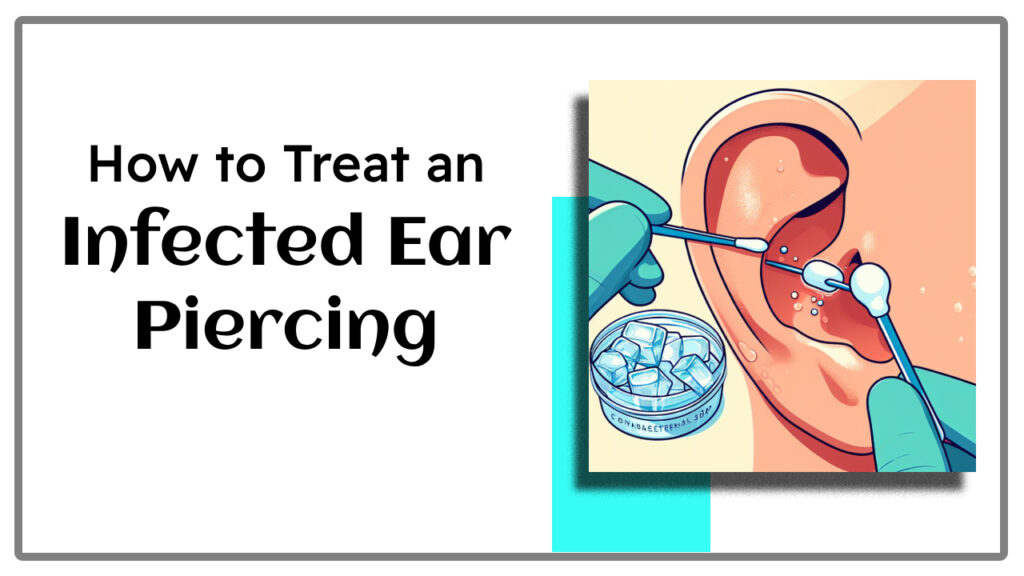
Ear infections can be frustrating, painful, and incredibly disruptive especially when they make everyday tasks feel uncomfortable. While professional medical care is essential in many cases, several gentle, evidence‑supported home remedies can help ease discomfort and support healing. These options are safe for both children and adults and are commonly recommended by reputable health organizations.
Below are 16 expert‑approved home remedies to help soothe ear infections naturally, reduce pain, and promote comfort while the body recovers.
1. Warm Compress
A warm compress is a simple and effective way to reduce ear pain and pressure. Warmth helps relax surrounding muscles, improve circulation, and soothe discomfort. Use a clean, slightly warm (not hot) towel for 10–15 minutes at a time.
2. Over‑the‑Counter Pain Relievers
OTC pain relievers can help manage mild to moderate ear pain. They ease inflammation and provide temporary relief. Always follow age‑appropriate guidance and consult a healthcare professional if unsure.
3. Stay Hydrated
Drinking plenty of fluids helps thin mucus, allowing the Eustachian tubes to drain more effectively. Good hydration supports the body’s natural healing process.
4. Elevate Your Head While Resting
Resting with the head elevated can reduce pressure buildup inside the ear. This simple positioning technique often helps relieve throbbing sensations and nighttime discomfort.
5. Use a Humidifier
Dry air can worsen congestion and throat irritation, which affects ear pressure. A cool‑mist humidifier adds moisture to the air, helping ease inflammation and promote drainage.
6. Steam Inhalation
Breathing in warm steam can loosen mucus, reduce congestion, and relieve the pressure that contributes to ear discomfort. A warm shower or a bowl of steaming water works well.
7. Gentle Neck Stretches
Tension in the neck can affect pressure around the Eustachian tubes. Gentle stretching encourages fluid movement and may reduce ear fullness or aching.
8. Warm Shower
A warm shower provides both steam inhalation and heat therapy, which can ease ear pain and help open the nasal passages for better drainage.
9. Chewing Gum
Chewing helps equalize pressure in the ears, especially when discomfort is connected to Eustachian tube blockage. This remedy works well for older children and adults.
10. Adequate Rest
Rest gives the immune system time to work efficiently. Quality sleep helps the body fight infection and recover more quickly.
11. Salt‑Water Gargle
A warm salt‑water gargle can soothe throat irritation and reduce swelling around the Eustachian tubes—beneficial when ear issues stem from a cold or sinus congestion.
12. Avoid Tobacco Smoke and Irritants
Smoke and pollutants can inflame the nasal passages and slow healing. Reducing exposure helps the ear drain more effectively and prevents worsening symptoms.
13. Apply a Cold Compress
If ear pain is sharp or throbbing, alternating a cold compress with a warm one may help. Cold reduces swelling and numbs discomfort.
14. Practice Good Ear Hygiene
Keeping the outer ear clean and dry supports overall ear health. This does not mean inserting anything inside the ear, just gentle cleaning of the external area.
15. Stay Upright During the Day
Remaining upright instead of lying flat throughout the day supports proper ear drainage and reduces pressure buildup.
16. Know When to Seek Medical Care
While home remedies can help with mild discomfort, professional evaluation is important if symptoms worsen or fail to improve. Seek medical attention if you notice:
- Persistent or worsening pain
- Fever
- Fluid or discharge from the ear
- Hearing changes
- Symptoms lasting more than 48–72 hours
Prompt treatment helps prevent complications and ensures proper recovery.
Medical Disclaimer
This content is for educational purposes only and is not a substitute for professional medical advice, diagnosis, or treatment. Always consult a qualified healthcare provider with any questions about a medical condition.
Final Thoughts
Ear infections can be uncomfortable, but many gentle remedies can help ease pain and support healing at home. Using safe, well‑supported methods—such as warm compresses, hydration, steam, and proper rest—can bring meaningful relief while your body recovers.
FAQs
How long does an ear infection take to heal?
Many mild ear infections improve within a few days, while others may take up to a week. Severe or persistent symptoms require medical evaluation.
Are home remedies enough to treat an ear infection?
Home remedies can ease discomfort and support healing, but they are not a replacement for medical care, especially if symptoms are severe.
Should I use oils or drops inside the ear?
It’s safest to avoid using oils, vinegar, peroxide, or homemade drops inside the ear unless a healthcare provider specifically approves it.
Can a humidifier help with ear pain?
Yes. Moist air can reduce congestion and pressure, which often helps relieve ear discomfort.
When should I see a doctor?
Seek medical care if the pain is intense, lasts longer than a couple of days, worsens, or is accompanied by fever or drainage.

- Peptides for Weight Loss: What Current Research Suggests - February 18, 2026
- IV Hydration Therapy: Benefits, Safety, and When It’s Most Effective - February 4, 2026
- The Future of Peptide Research: Emerging Trends and Innovations - January 30, 2026